Why metal signs cope well in hard-working locations
Metal signs are often chosen for forecourts, retail parks, industrial entrances and municipal sites because they hold up under constant exposure. A sign at a busy road junction in Pretoria or a retail frontage in Centurion gets touched, cleaned and looked at every day, so the material needs to stay straight and readable.
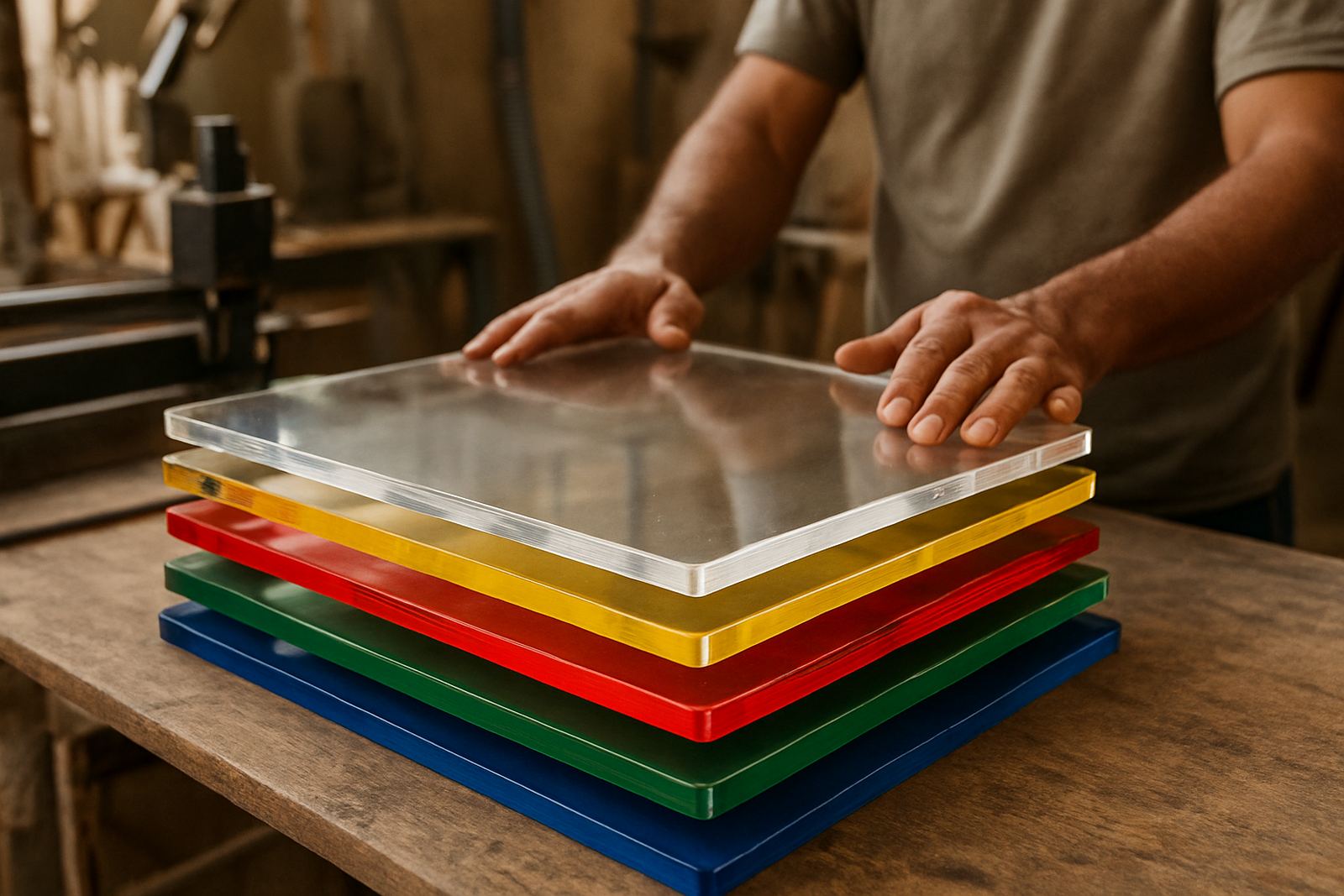
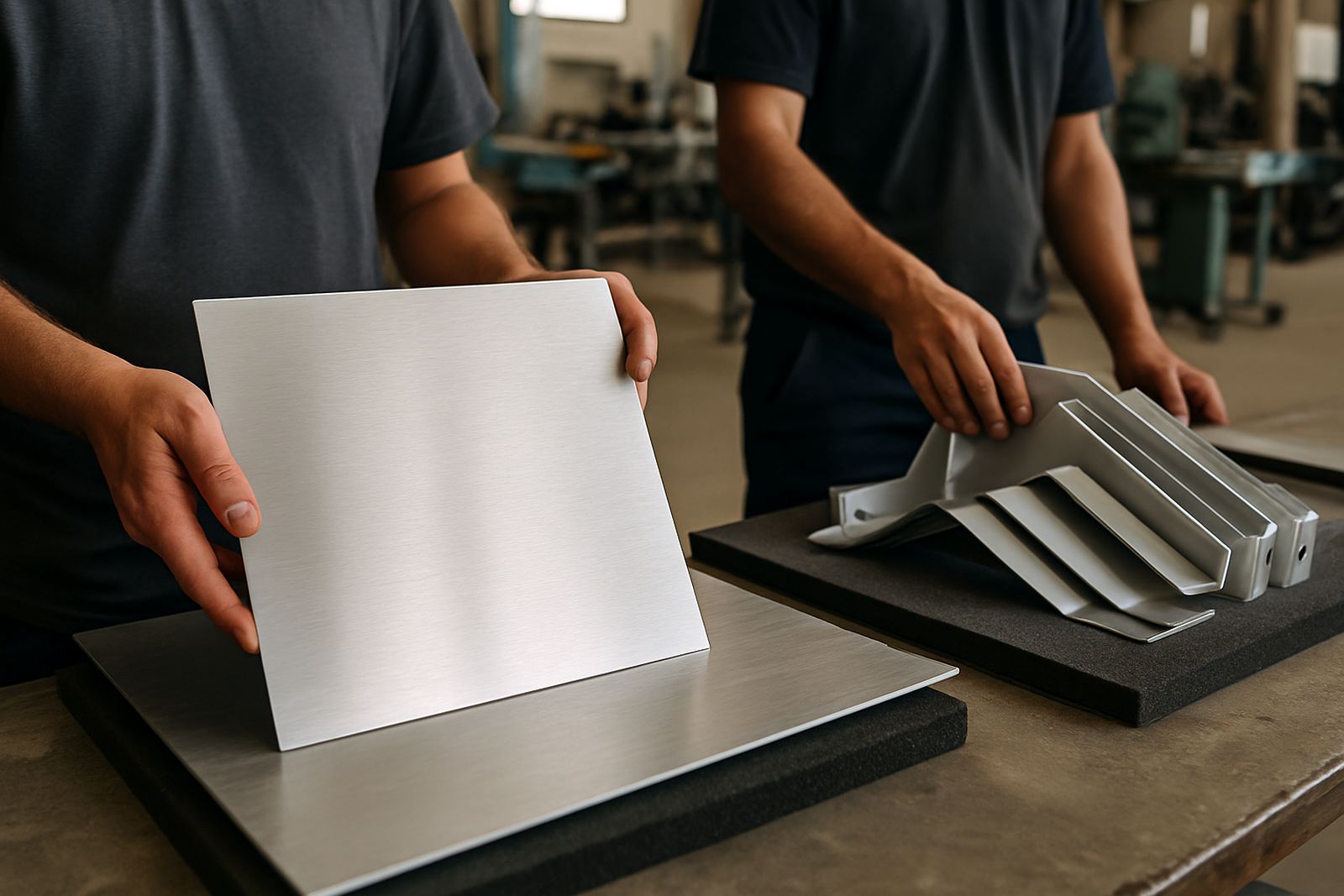
Steel and aluminium are the most common options for fabricated signage. Aluminium is lighter and resists corrosion well, while steel gives strong structure for larger frames and heavier panels. The final durability depends less on the metal alone and more on how it is cut, folded, coated and installed.
- Choose aluminium where weight and corrosion are a concern.
- Use steel where extra strength or structural support is needed.
- Keep the design simple enough for clear viewing from the road or pavement.
What causes wear on exposed signs
In Gauteng, the main wear factors are strong sunlight, dust, rainfall, wind and pollution from traffic. In Hartbeespoort and Pretoria, outdoor signs also have to deal with heat during the day and cooler nights, which can stress poor-quality fixings and weak coatings. On exposed corners, wind vibration can loosen brackets and create rattling that damages the panel over time.
Coastal humidity is not the main issue in this region, but moisture still matters around irrigated gardens, shaded walls and areas where water sits after rain. If a sign is fitted against a damp wall or mounted without proper spacing, corrosion can start at the back long before the front face looks tired.
Finish quality matters as much as the metal
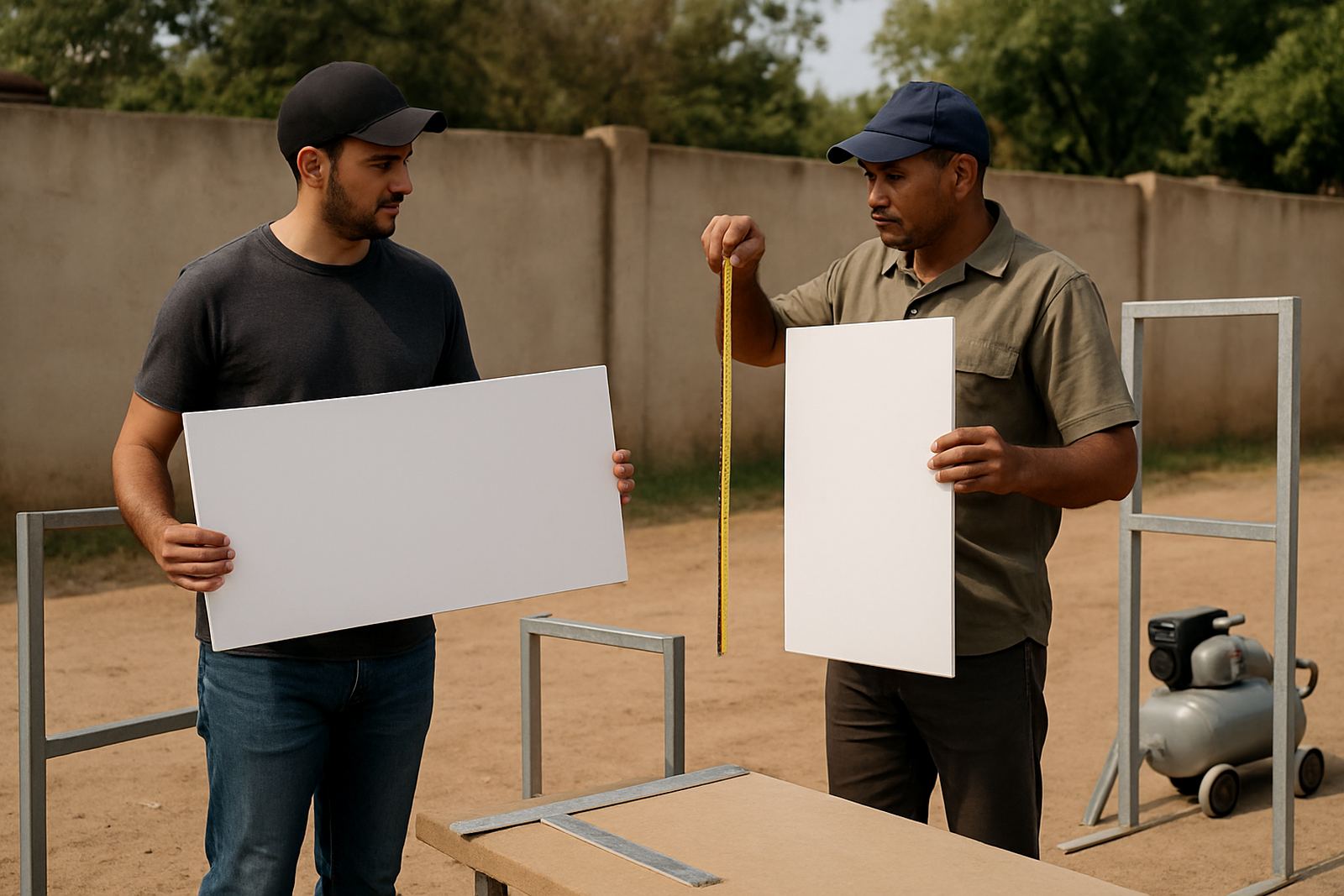
A well-made metal sign should not be bare metal with paint thrown on top. Good fabrication includes proper cutting, clean edges, sound welding where needed, and a finish that suits the site. Powder coating, priming and sealed edges help slow down rust and keep the sign looking neat for longer.
For branded signage, surface prep is just as important as the artwork. If the base is not cleaned properly, vinyl will lift, paint can flake and moisture may get in at the edges. The result is a sign that starts looking old far too soon, even if the structure itself is still strong.
- Ask for sealed edges on cut panels to limit rust entry points.
- Use corrosion-resistant fasteners and spacers.
- Match the finish to the environment, not only to the colour of the brand.
Installation choices that extend service life
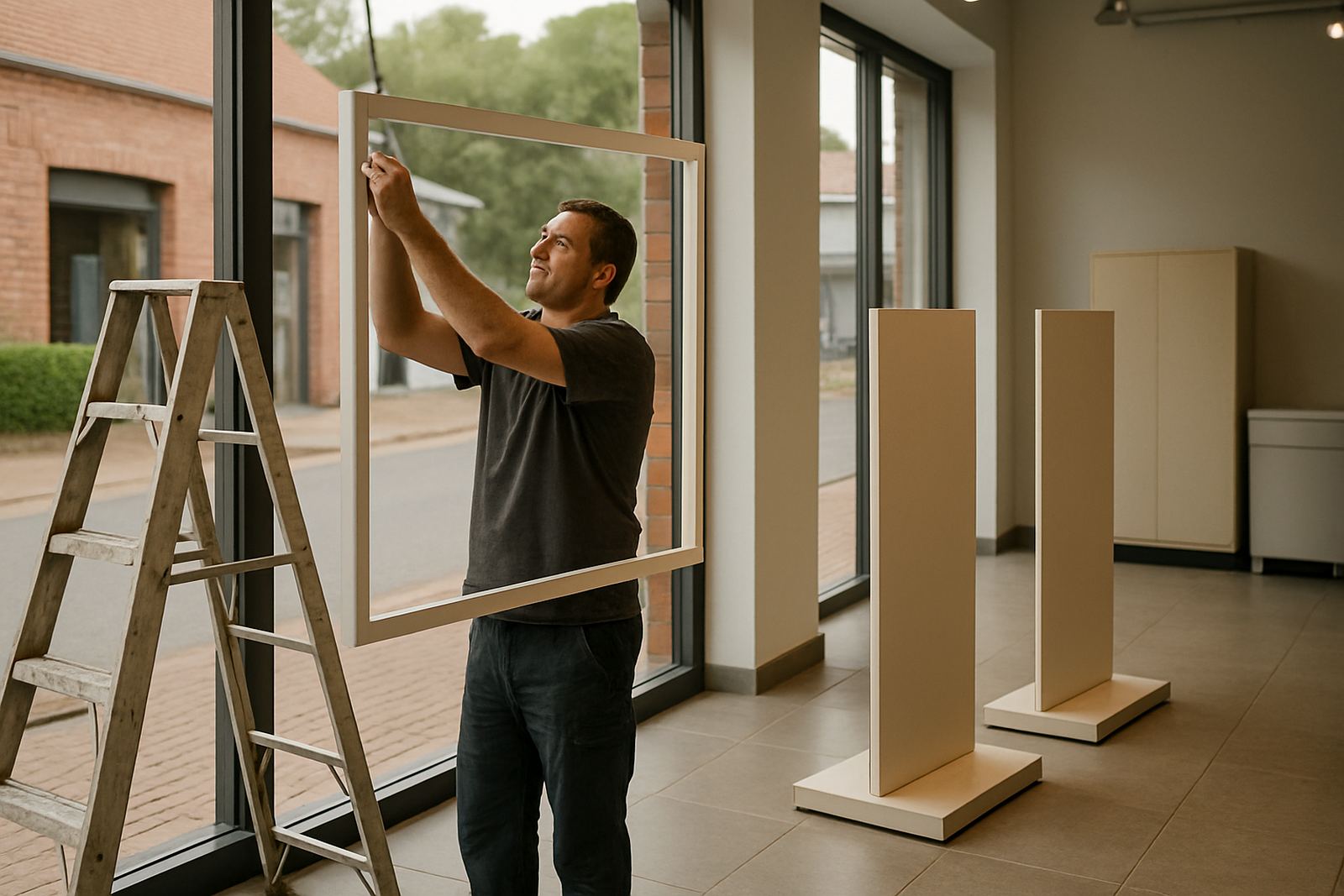
A metal sign can only perform as well as its installation. If the frame is under-sized, the fixings are wrong or the wall surface is uneven, the panel will flex and fatigue. For freestanding signs and roadside boards, proper footing, anchor depth and wind consideration are essential.
On retail sites, installation also needs to allow for access. If a sign is placed where delivery trucks can clip it, or where maintenance crews cannot reach it safely, small damage becomes a bigger repair later. Good planning on site saves money and time, especially during campaign rollouts where several signs must stay aligned across more than one branch.
- Check wall condition before drilling or bolting into place.
- Allow clearance for cleaning and future maintenance.
- Use fixings that suit brick, concrete, steel or cladding, not a one-size-fits-all approach.
How metal signs perform in busy customer areas
Busy customer areas place extra demands on signage because people move close to it, vehicles pass near it and staff often clean around it. A fabricated metal sign at a mall entrance, fuel site or municipal service point has to stay readable even after years of contact and general wear.
For these settings, durability includes more than the panel itself. The message must remain sharp, the logo must keep its shape and the sign should not become a safety risk. Sharp corners, loose brackets and faded graphics all weaken the public impression of the site. That is why many businesses in Pretoria, Akasia and Brits use metal signage for names, directional boards and fixed identity signs where long service life matters.
Maintenance keeps a good sign working for longer
Even the best metal sign benefits from routine checks. Dust build-up, algae, chipped coating and loose fixings are all easier to deal with early. In areas with load-shedding, some sites postpone inspections because lighting and trading hours shift around, but a quick check can still be done during normal access times.
Regular maintenance should cover the face, frame and mounting points. If a sign is being used for an ongoing campaign or a public-facing site, repairs should be done before the damage spreads. A small rust spot or a lifted edge might not seem urgent, but left alone it can become a panel replacement job.
- Wash signs with a mild cleaner and soft cloth, not harsh abrasives.
- Check bolts, brackets and joins after strong wind or heavy rain.
- Recoat or refurbish early when the finish starts to fail.
A practical example from Hartbeespoort and Pretoria sites
Consider a metal sign used at a busy access point between Hartbeespoort and Pretoria, where the site gets sun, road dust and regular vehicle traffic. If the sign is made from the wrong metal, left unsealed at the edges and fixed with basic hardware, the finish can fail within a short time. The same sign made with correct material selection, proper fabrication and firm installation will stay legible and presentable for much longer.
That difference is important for retailers, brands and municipalities that need signs to keep doing their job without constant attention. In practice, durability is not only about looking good on day one. It is about clear communication, safety and fewer repair calls over the life of the sign.
HM Graphics & Signs designs, fabricates and installs metal signage for sites across Tshwane, Brits, Centurion and Gauteng, with permit assistance, site surveys and maintenance support where needed. For clients with multiple branches or repeated campaigns, a consistent fabrication standard makes day-to-day upkeep simpler and helps each location keep a clean, professional appearance.