



Start With the Right Signage Brief
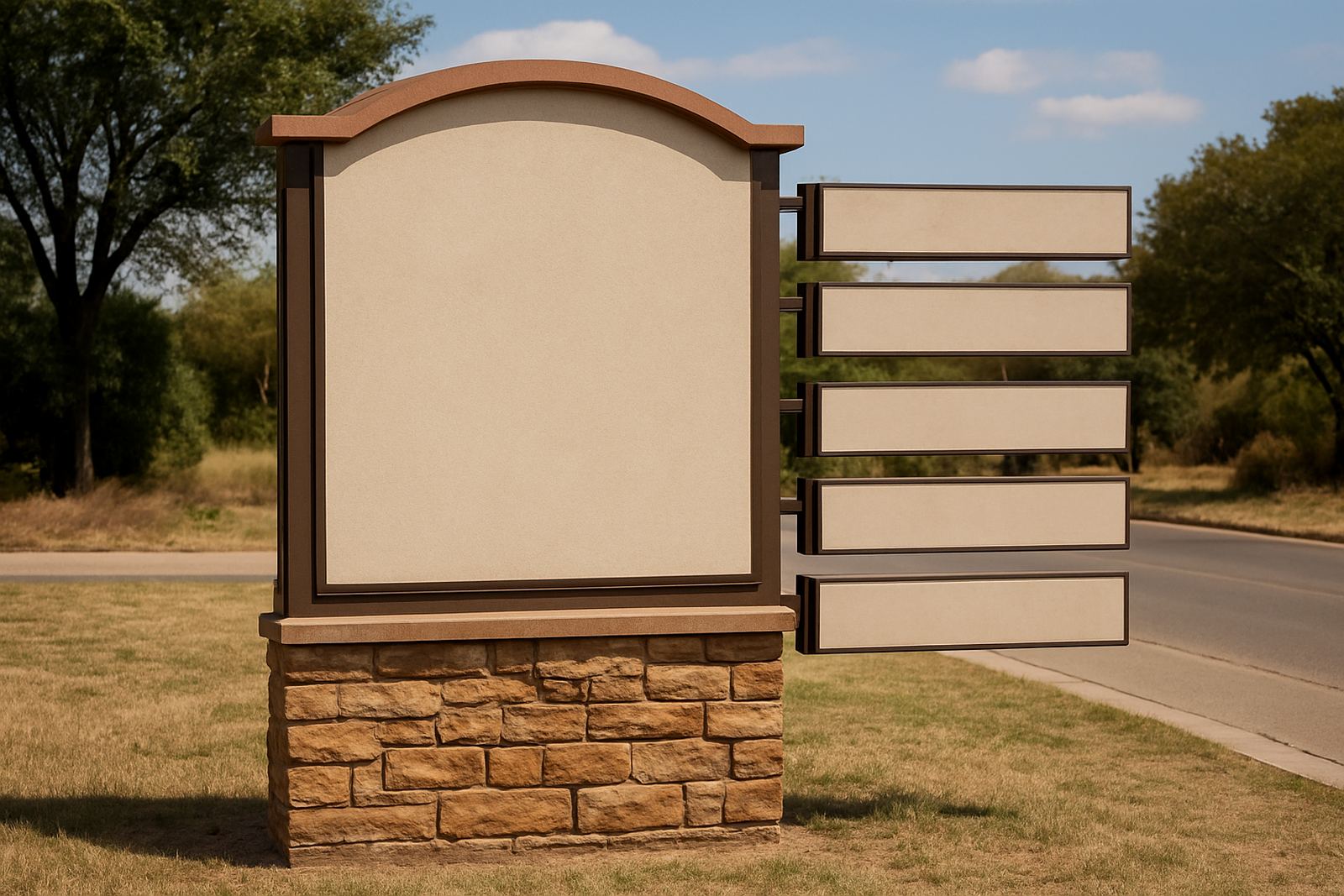
A good signage project starts with a clear brief. Before you ask for pricing, note where the sign must be seen, how far away people will view it, and whether it needs to work in daylight, after hours, or both. A shopfront sign in Centurion needs a different approach to a pylon sign on a busy road in Pretoria East, and a municipal notice board needs different materials again.
Use these guides to compare options before you commit. They explain the practical parts that affect cost and lifespan, including size, mounting method, access for installation, and whether the sign must be removable for updates. If your site has load-shedding, coastal humidity nearby, or strong sun exposure, that should be part of the plan too.
How to Choose a Sign Type for Your Site
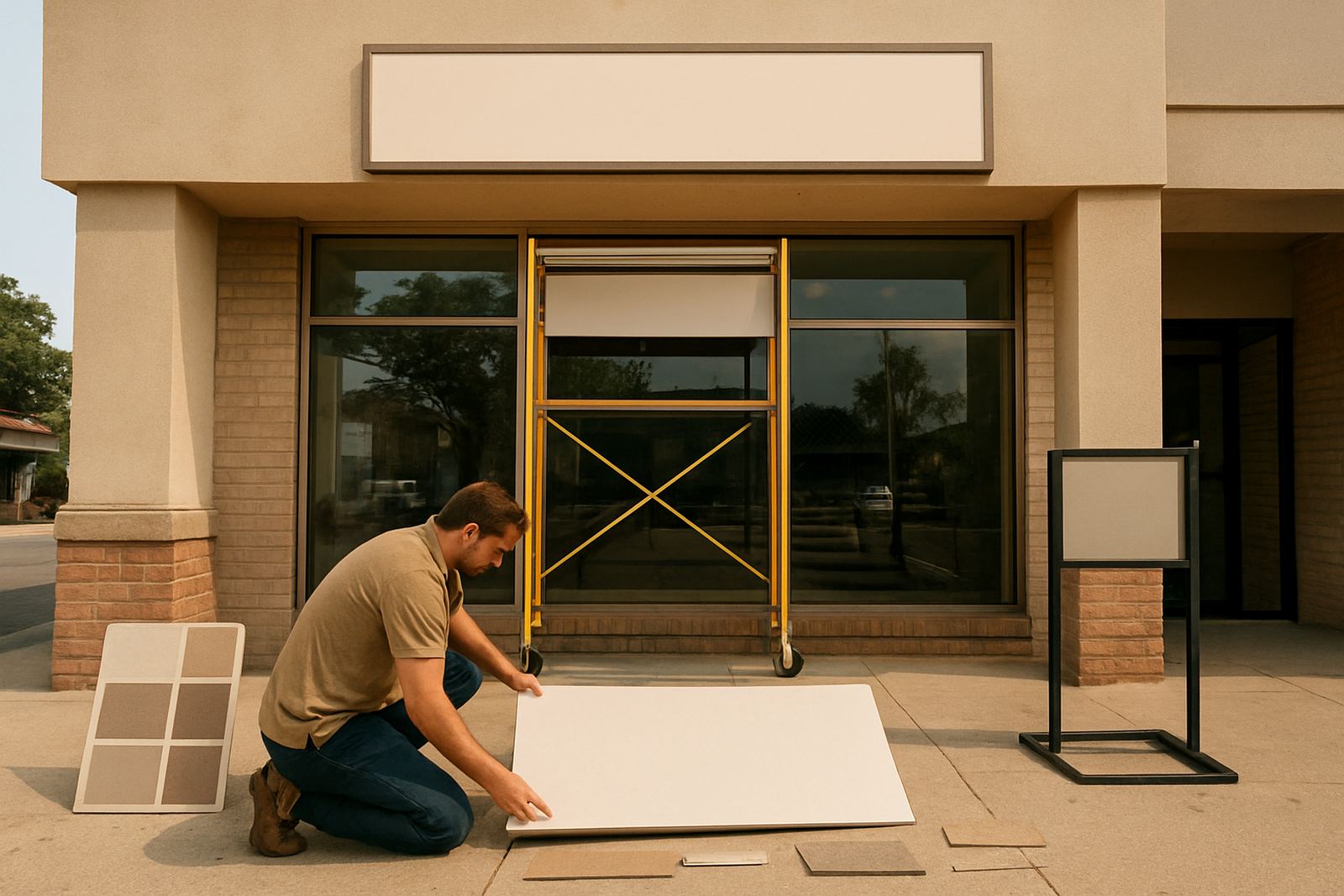
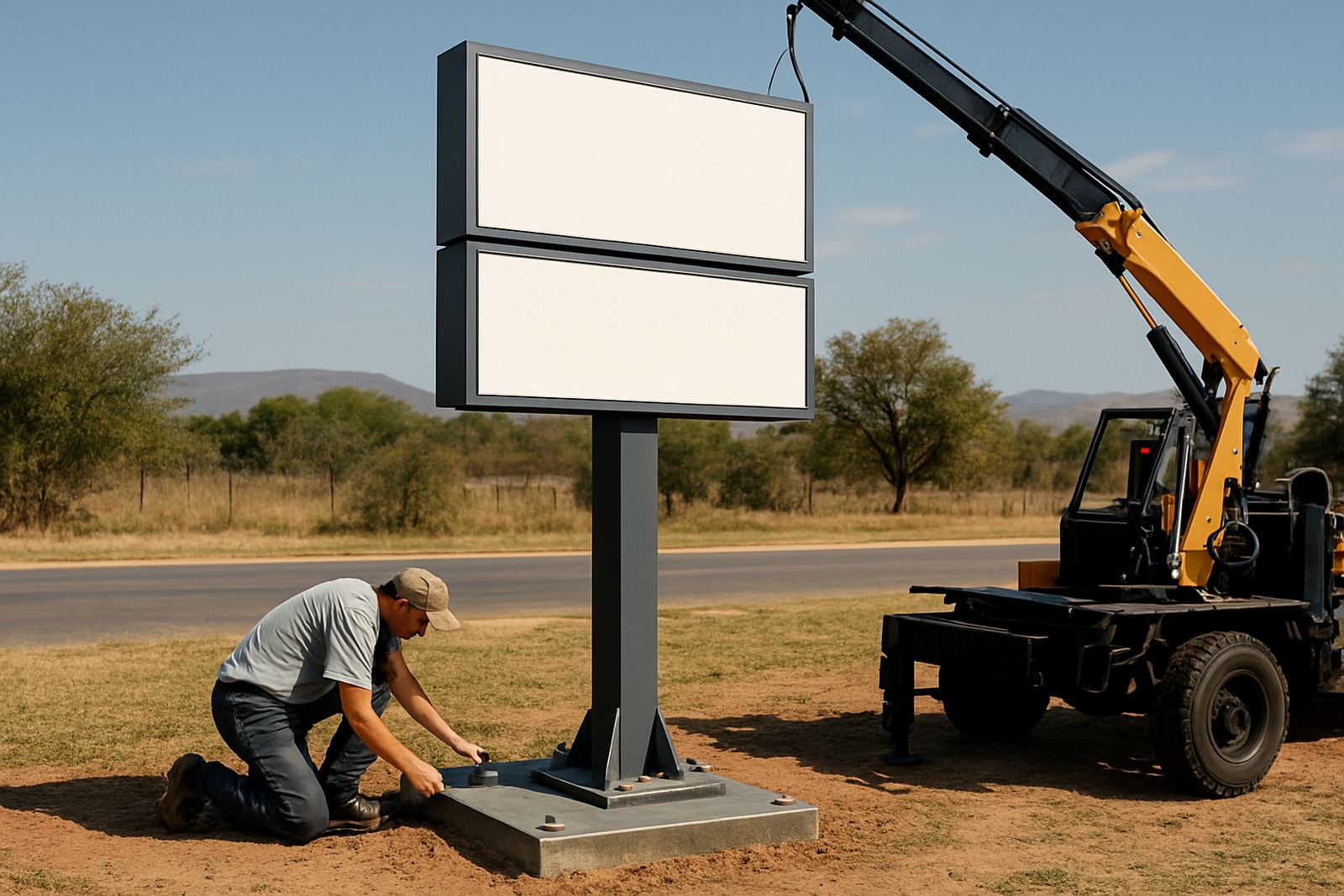
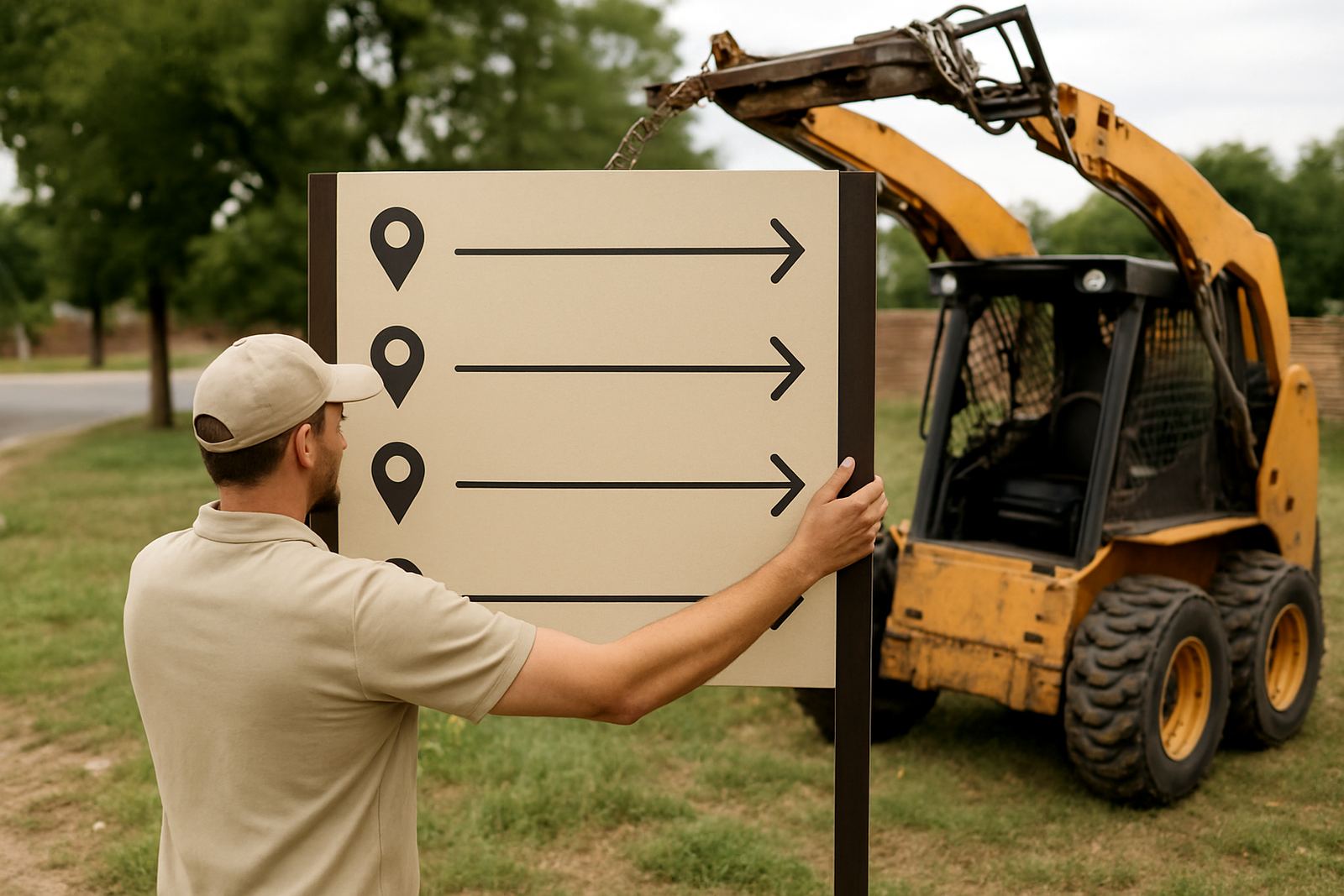
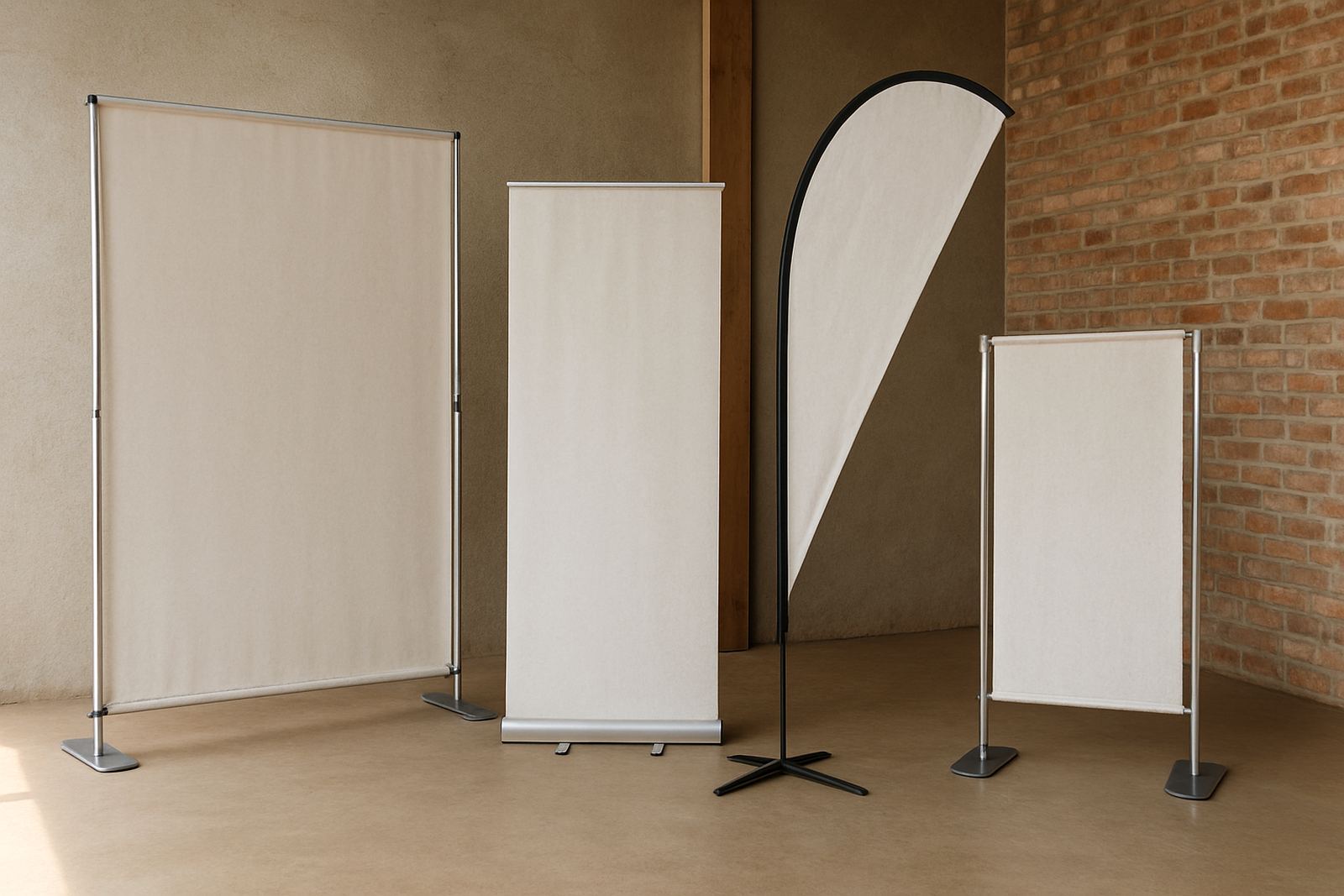
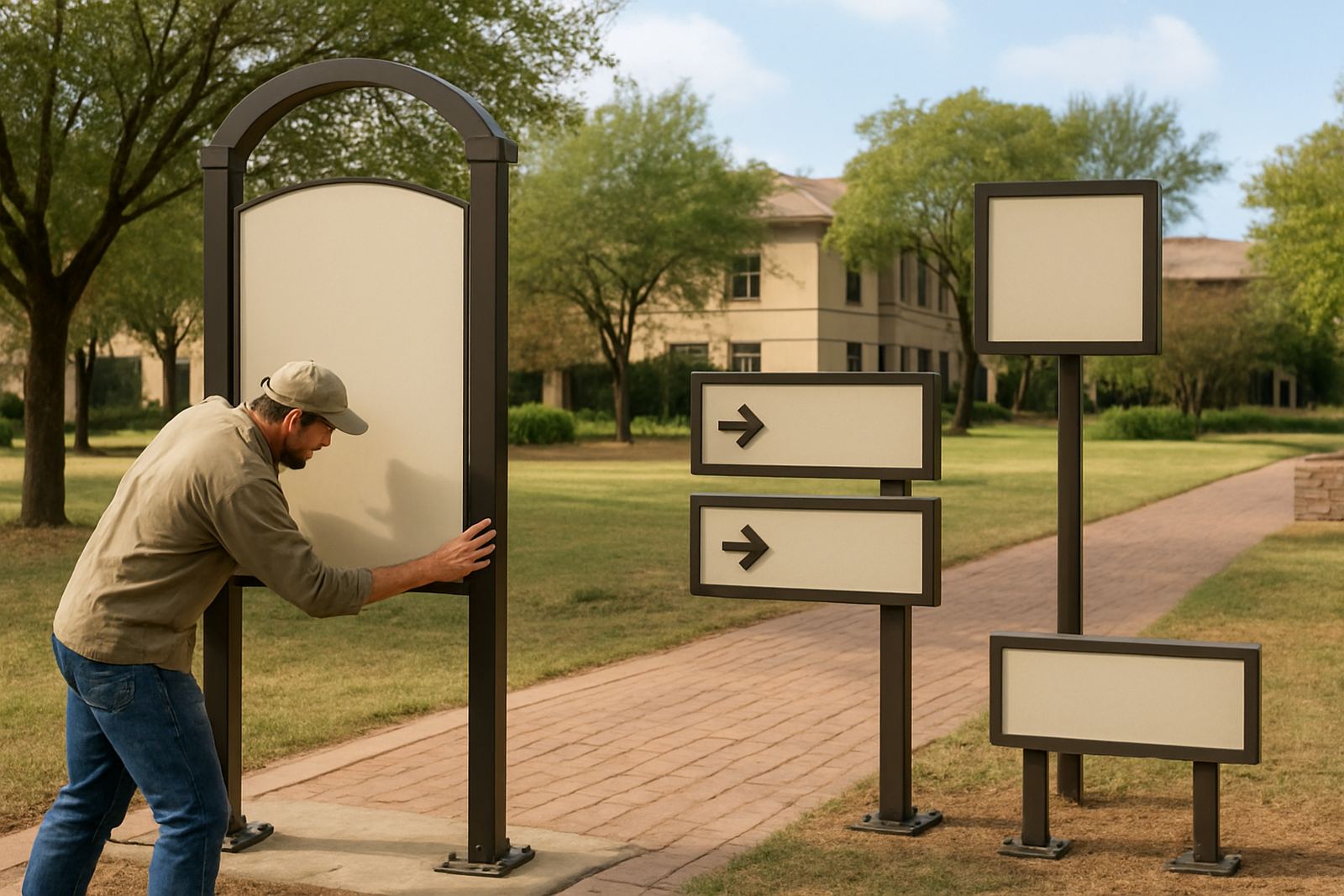
Different sites call for different sign types. Storefront fascias, wall signs, freestanding signs, directional boards and vehicle graphics all serve a different purpose. The guide pages help you match the message to the location so you do not overspend on a sign that is too small, or choose a material that will not last in the conditions.
- Retail sites often need clear frontage visibility and consistent branding across multiple branches.
- Industrial and logistics sites usually need larger lettering, wayfinding and durable finishes.
- Municipal or public-facing sites may need compliance, cleaner layouts and easy maintenance.
- Campaign rollouts need repeatable sizing so every site looks the same across Tshwane, Brits and Gauteng.
If you are comparing options across several branches, use the same measurements and photo angles for each site. That makes approvals faster and helps avoid costly changes later.
Materials, Finishes and What They Mean in Practice
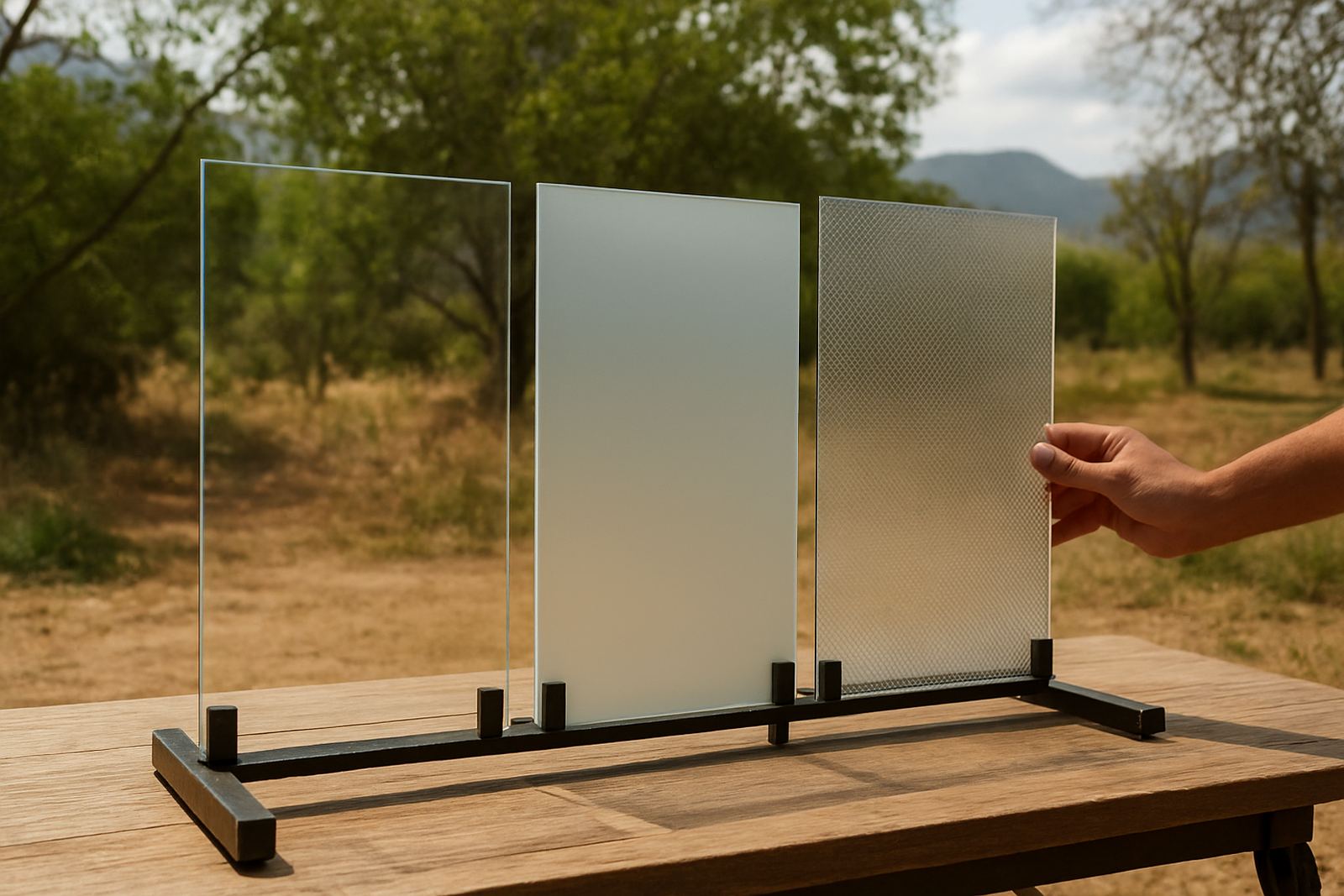
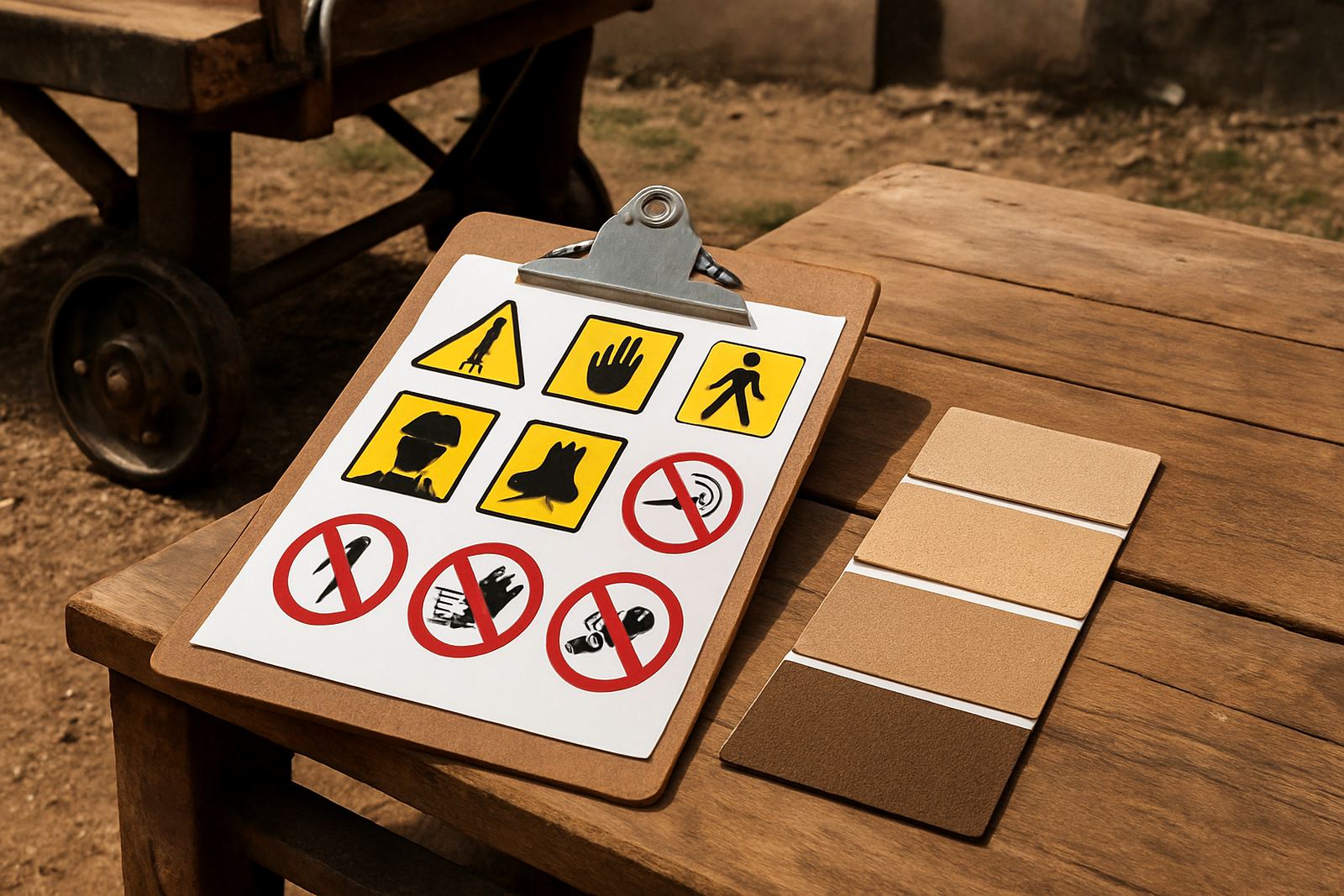
Material choice affects everything from the look of the sign to how often it needs attention. Sun, rain, dust and temperature changes in Gauteng can all affect a sign over time. A painted steel frame, aluminium panel, acrylic face or vinyl application each has different strengths, and the right answer depends on the site and the budget.
These guides explain where material choice matters most:
- Outdoor signs need weather resistance and strong fixing points.
- Indoor signs can focus more on finish, colour accuracy and appearance under lighting.
- Temporary campaign signs should be quick to install and easy to remove without damage.
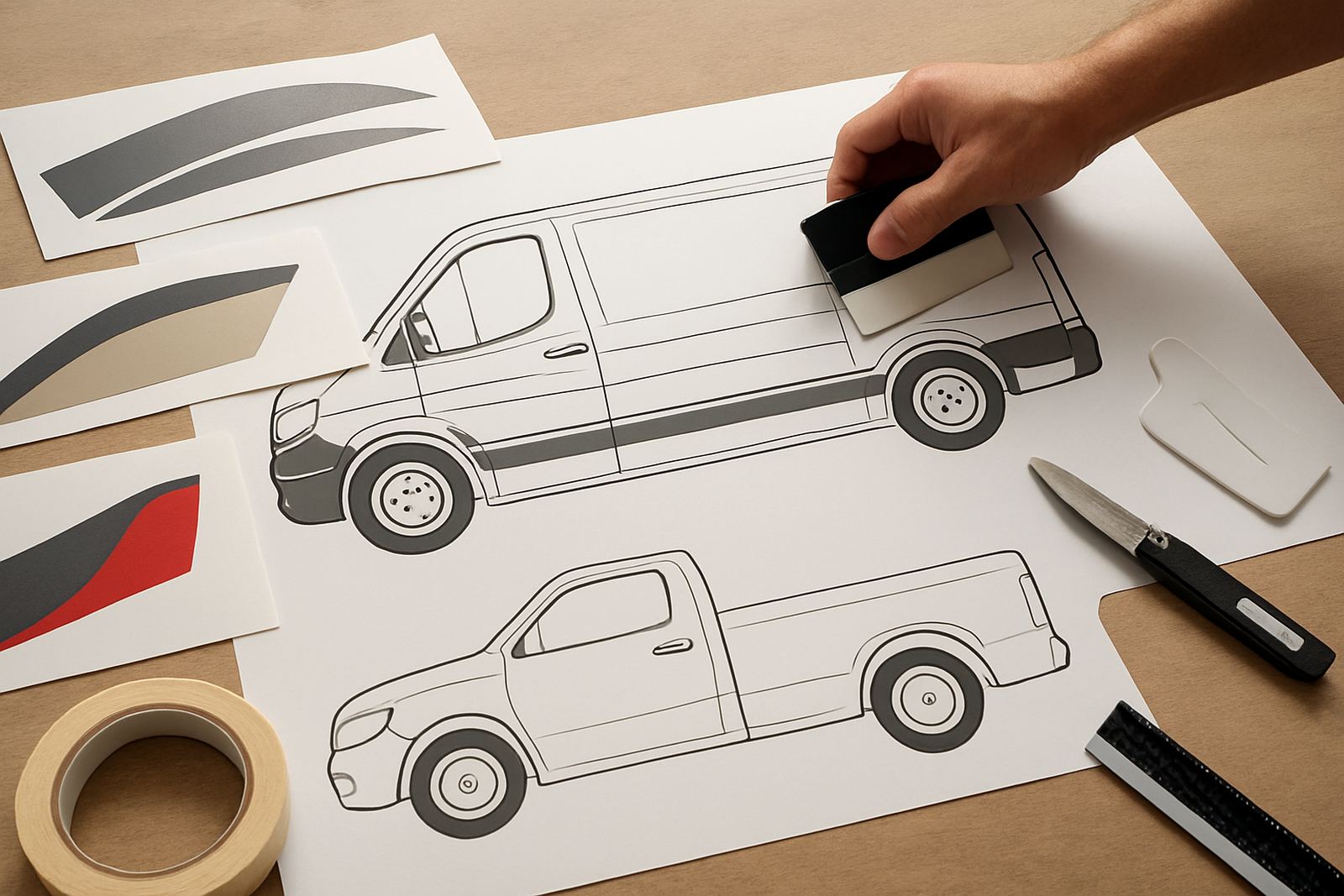
- Vehicle graphics need proper surface preparation and care during fitting.
For coastal exposure, high heat or dusty roadside sites, the details matter even more. A well-chosen finish can reduce maintenance and help the sign keep its colour for longer.
Sizing, Visibility and Placement Advice
Many sign problems come from poor sizing or bad placement. A sign that looks fine on paper may disappear once it is mounted above a busy road, behind tree cover, or too high for passing foot traffic. Our guides cover viewing distance, letter height and practical site checks so you can make better decisions before fabrication begins.
When planning placement, check for sight lines, vehicle movement, existing lights, building projections and any local rules that affect where a sign can go. In Pretoria and the surrounding municipal areas, approval requirements can change depending on sign type and location. It is better to confirm early than to rework a finished sign later.
Installation, Safety and Access Planning
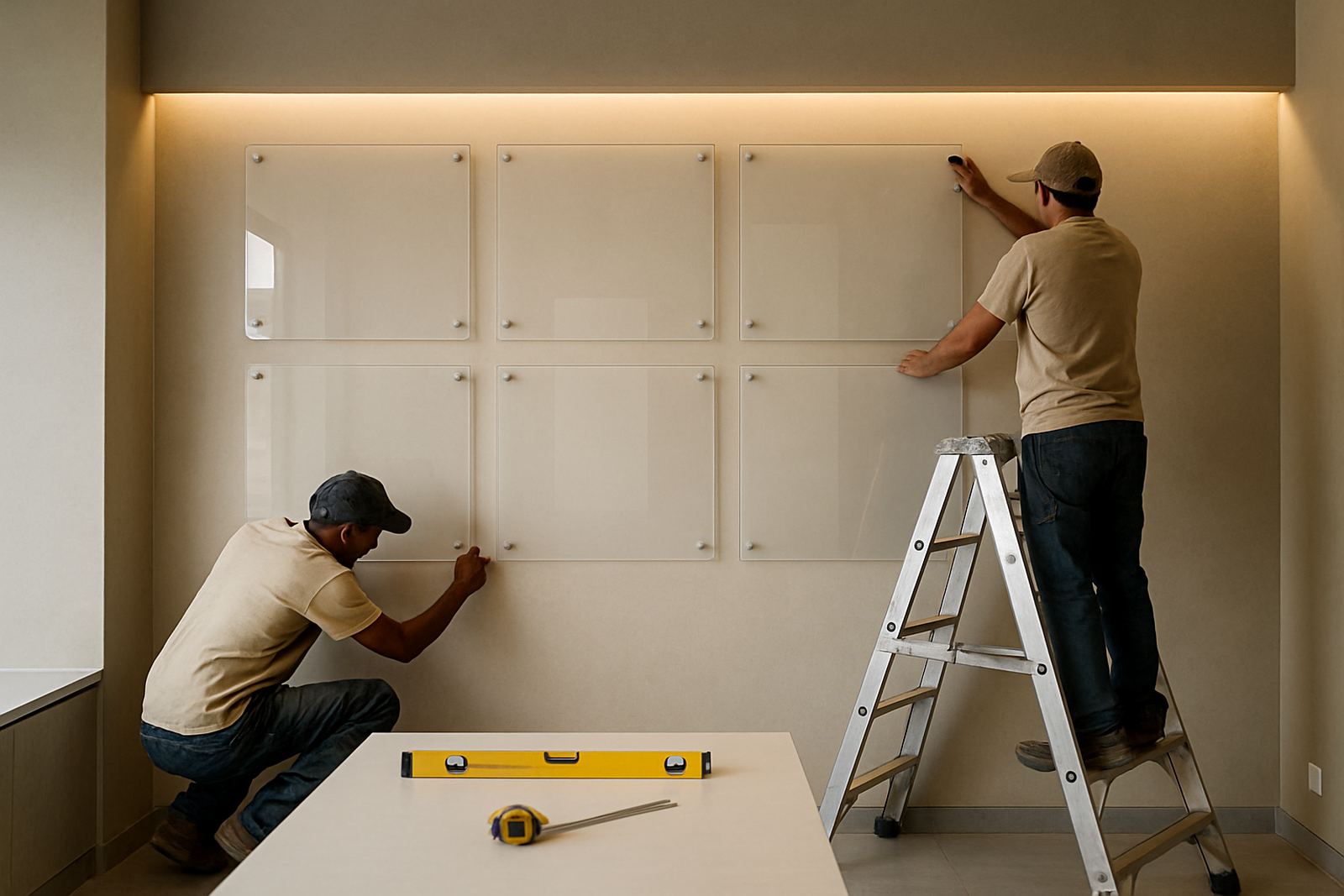
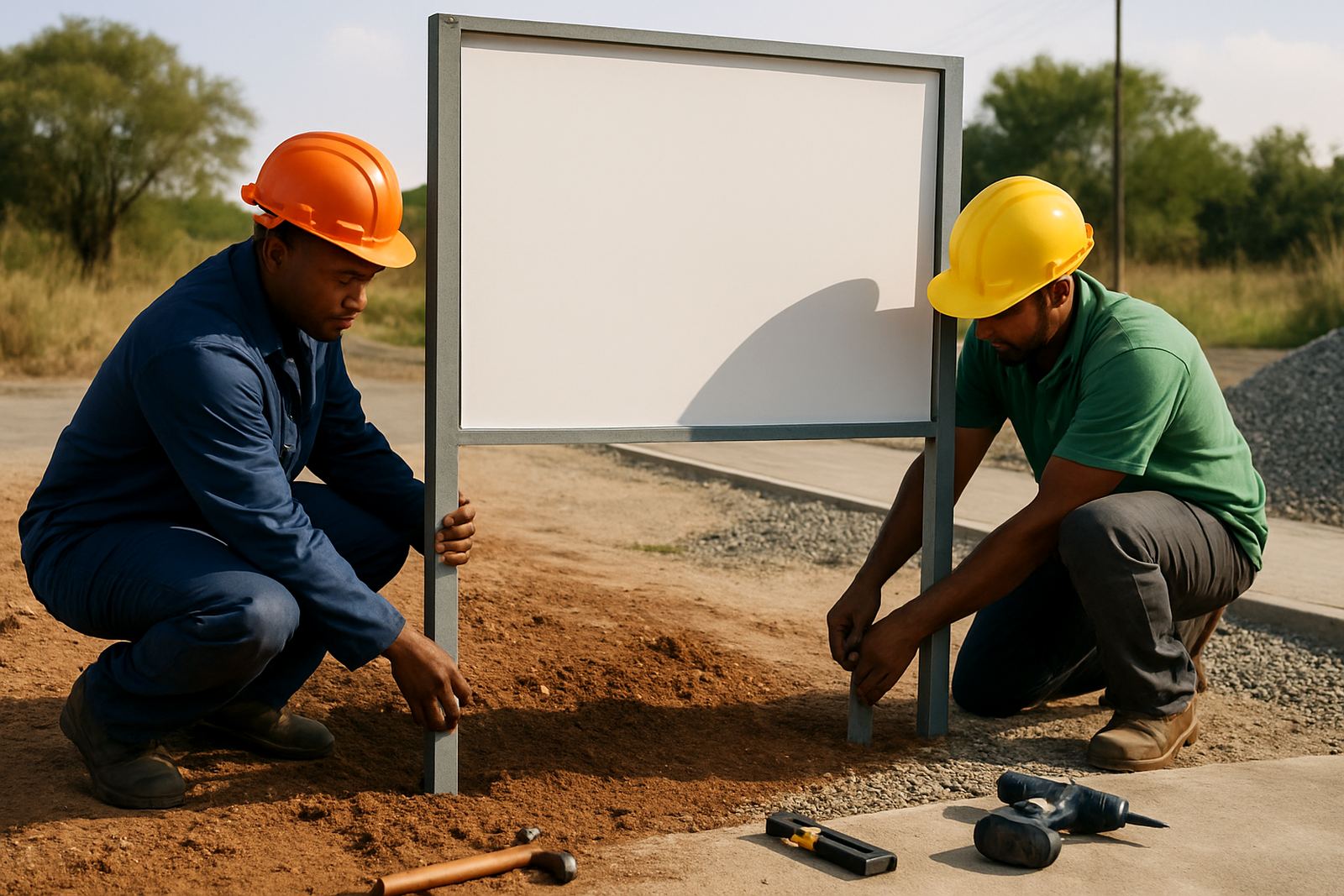
Installation is not only about putting a sign on a wall. Access, working height, power availability and safe fixing all matter. Some sites need after-hours work to avoid disrupting trading, while others need lift access or traffic control. If the site has limited access or is active during the day, the installation plan must be realistic from the start.
Before installation, make sure the following are covered:
- Site measurements and clear photos of the fixing area
- Access for ladders, scaffolding or lifting equipment
- Power needs for illuminated signs or night-time work
- Permissions for landlords, body corporates or municipal sites
- Any safety restrictions, parking limits or traffic flow concerns
A careful site visit avoids delays, rework and unnecessary call-backs.
Maintenance, Refurbishment and Replacement Timing
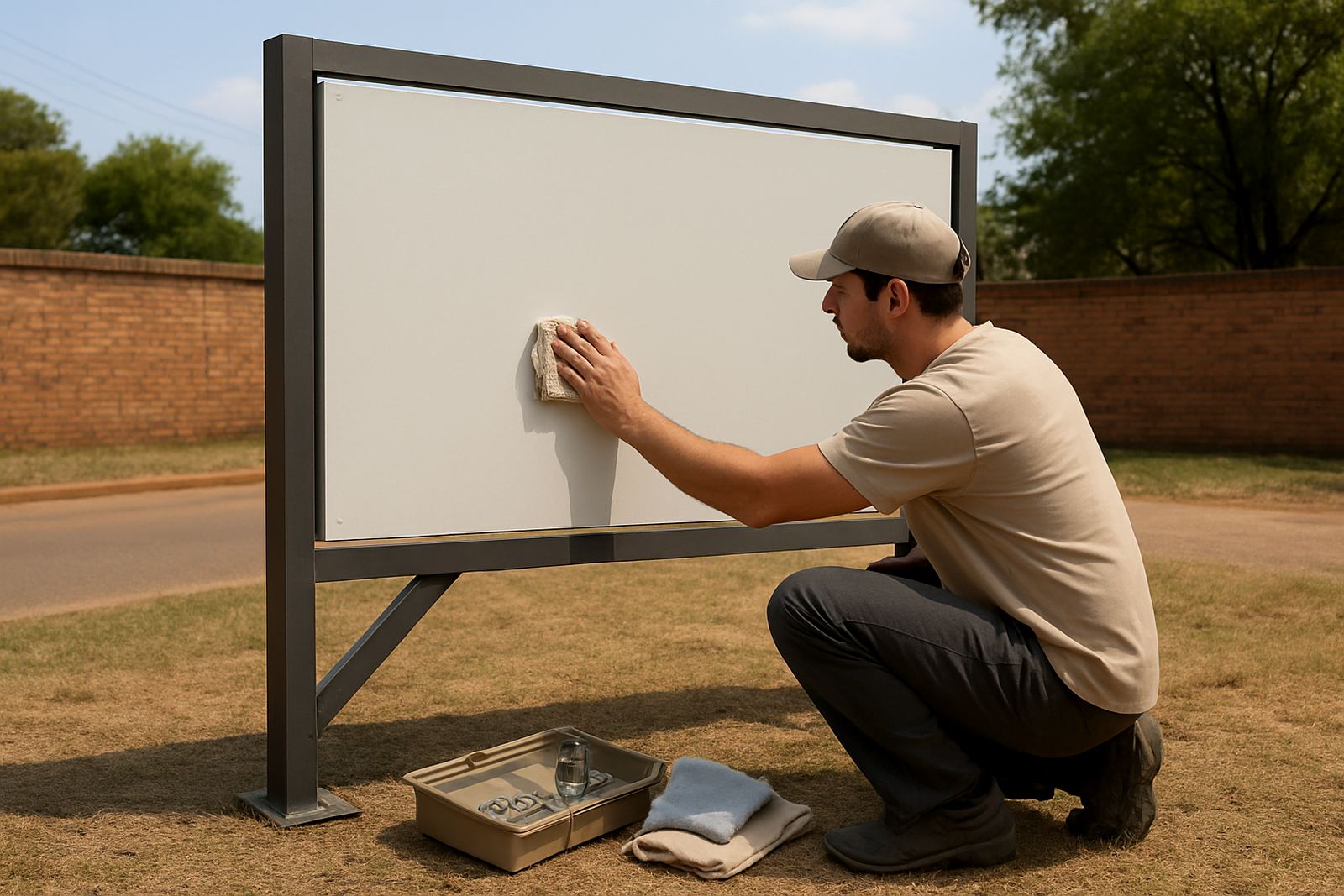
Signs age differently depending on sun exposure, vibration, cleaning practices and how often they are touched. A shop sign in Akasia may need a different maintenance plan to a vehicle graphic or a directional sign in Brits. These guides explain when to clean, when to repair and when refurbishment makes more sense than replacement.
Look out for faded print, loose fixings, peeling vinyl, water ingress or cracked faces. If a sign is still structurally sound, a refurbishment can often save money and keep your branding consistent. For businesses with many sites, planned maintenance also helps avoid uneven branding from one branch to the next.
How to Use These Guides for a Better Quote
The more clearly you define the project, the easier it is to compare quotes and timelines. Use the guides to gather the right details before you send an enquiry. That usually means site photos, approximate sizes, preferred timing, and a note on whether permits or landlord approvals are needed.
For property managers and project teams, this approach helps with budgeting and rollout planning across multiple sites. It also makes it easier to compare like for like, instead of pricing one sign that includes design, fabrication, installation and maintenance against another quote that only covers part of the job.
When you are ready, send your enquiry through the contact page and include as much site detail as you can. That gives us a better starting point for planning the right sign for the job.