
Start With the Site and the Sightline
Before any design work starts, look at where the sign will actually be seen from. A pylon sign must work for moving traffic, not only for people standing at the gate. On roads around Pretoria, Centurion, Brits and Hartbeespoort, the key questions are simple: how fast is traffic moving, where do drivers first see the property, and what sits in front of the sign such as trees, boundary walls or other street furniture.
A proper site survey should record the setback from the road, the height available above nearby obstructions, underground services, and access for installation equipment. If the property sits near a municipal reserve, road edge or high volume intersection, the placement can affect approval and maintenance. Load-shedding also matters when the sign will use internal lighting, so the electrical plan should be checked early.
Choose the Right Size, Height and Message
The best pylon signs are easy to read in one or two seconds. That means keeping the wording tight and the lettering large enough for the road speed. A commercial property on a main route may need a taller structure than one inside a business park. The sign should be scaled to the site, not to a wish list. Too much content makes the sign cluttered and harder to read.
As a rule, the main message should be the business name, logo and perhaps one short descriptor. If there are tenants or multiple brands, decide whether the sign is a single face, double face or a multi-panel structure. Keep future changes in mind, because tenant names and campaign messages can shift over time.
- Confirm viewing distance from the road and turning lane
- Keep wording short and legible at speed
- Allow room for future tenant changes
- Choose a size that fits the site, not only the frontage
Check Compliance Before You Fabricate
Roadside signs may need permit support, especially where the sign faces a public road, sits near a municipal boundary, or is placed in a controlled area. In Tshwane and nearby areas, approvals can depend on zoning, servitudes, road reserve rules and visibility requirements. It is better to gather the facts first than to build a sign that later needs to be altered or moved.
Permit assistance can include basic drawings, location notes, site photos and sign dimensions. If the property is in a retail centre or near a provincial route, the owner may also need consent from the landlord or road authority. This is where a clear file saves time and avoids costly rework.
- Confirm zoning and property ownership details
- Check road reserve and servitude lines
- Prepare drawings with accurate dimensions
- Keep records of approvals and site correspondence
Materials That Suit South African Conditions
Pylon signs stand outside in full sun, wind, rain and dust, so material choice matters. In Hartbeespoort and Pretoria, heat and storm conditions can affect finishes. Near coastal humidity may not be the issue here, but dust, UV and sudden rain are enough to wear out poor materials quickly. A well-built sign should use a steel frame with correct priming and finishing, plus panels that can handle long-term exposure.
For face panels, choose a material that can take print, vinyl or cut lettering without warping. If the sign will be illuminated, make sure the internal components are accessible for servicing. Good fabrication also includes drainage where needed, neat cable routing and service access that does not require dismantling the whole structure.
Lighting, Power and Visibility After Dark
If the sign must work after sunset, lighting becomes part of the design, not an add-on. Many business owners only notice this once the first winter load-shedding schedule affects trading hours. The sign should remain readable in low light and during power interruptions where backup supply is available. Face illumination, internal lighting or external flood lighting can all work, depending on the structure and budget.
Ask practical questions early: where will the power come from, how will the fittings be reached for maintenance, and what happens if a lamp or driver fails? A sign that looks fine in the workshop can fail on site if access was not planned. Visibility tests should consider glare from headlights, nearby streetlights and the angle of approach for traffic.
- Plan for evening visibility and winter darkness
- Allow safe access for bulb or component replacement
- Check backup power options if needed
- Avoid glare that washes out the message
From Artwork Prep to Installation Day
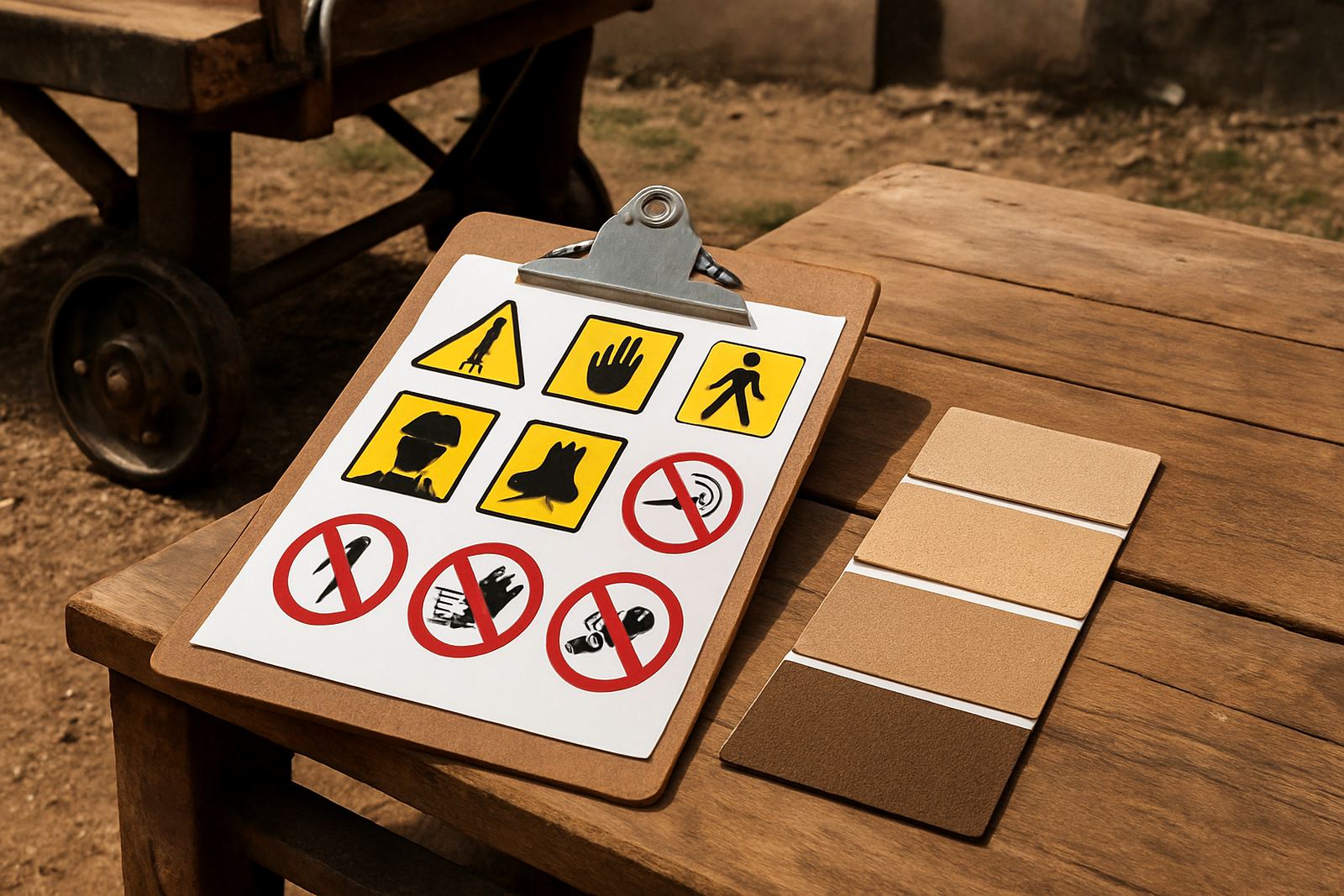
Once the brief is approved, artwork should be prepared at the correct size and resolution, with colours adjusted for the chosen print method or cut vinyl. Signage for a roadside pylon is not the place for thin fonts or tiny details. The design needs to survive scaling, weather and distance. Good artwork prep reduces errors when the sign is printed, cut and assembled.
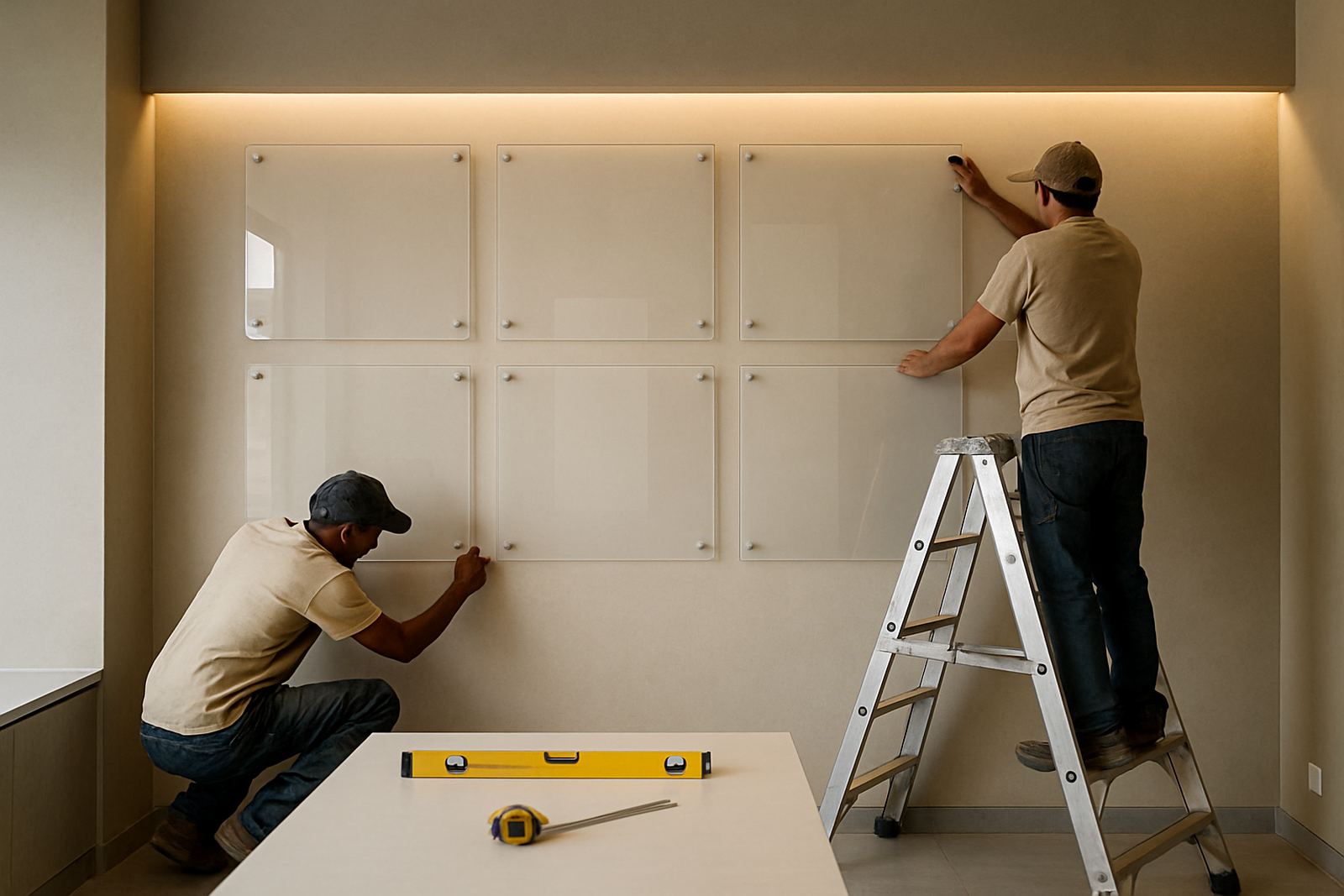
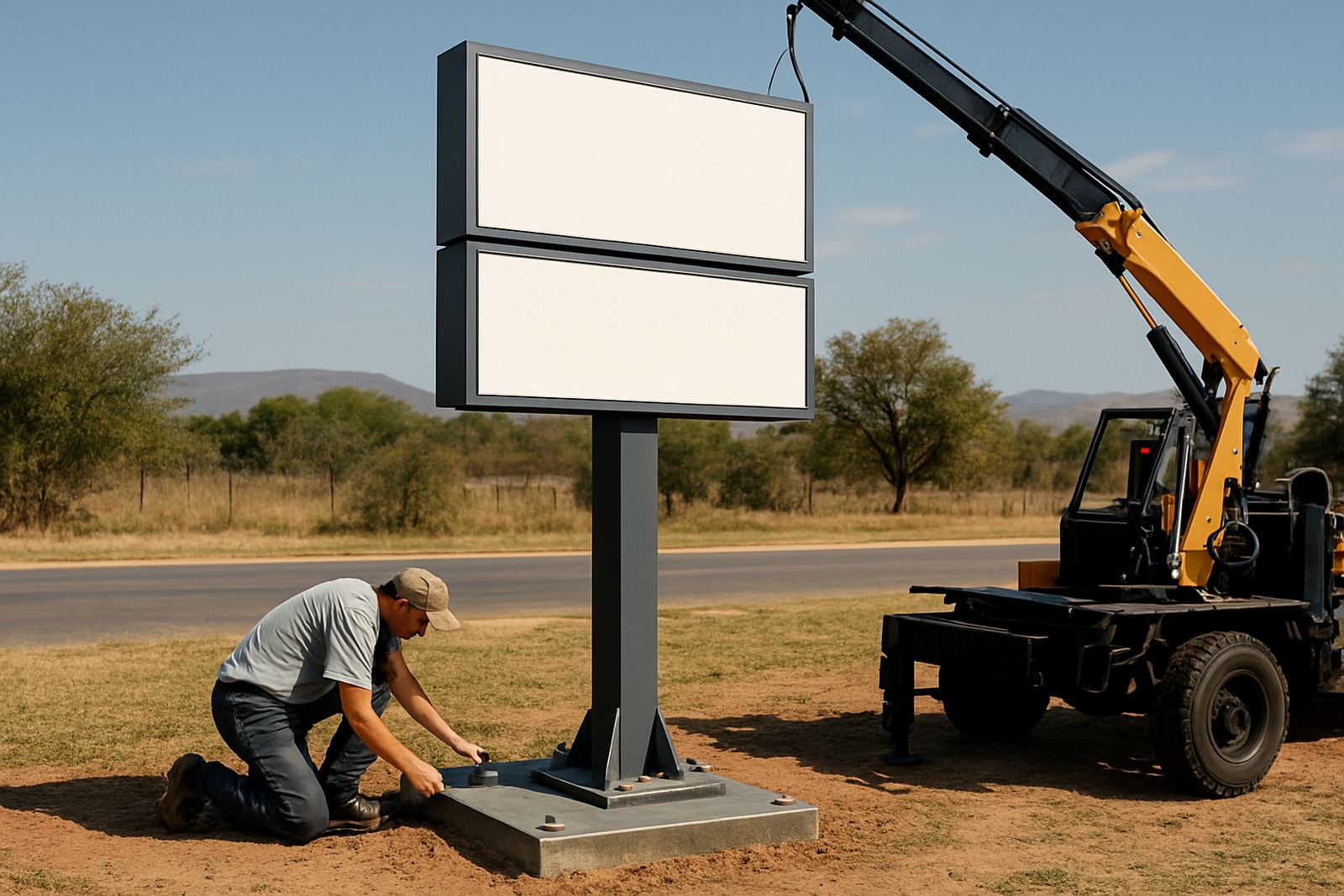
Installation day should be organised around safety, access and weather. For larger structures, ground conditions matter, as does the ability to offload materials close to the site. A tidy install means the sign is plumb, secure and ready for inspection. The best result is one where the sign looks like it has always belonged there, not something added at the last minute.
Keep the Sign Working After Go-Live
A pylon sign is a long-term asset and should be maintained like one. Dust, storm debris, damaged lamps, loose fixings and faded graphics can all reduce its value. A simple maintenance plan helps the owner catch problems before they become expensive repairs. For retail sites and municipal properties, regular checks also help keep the frontage looking orderly.
Refurbishment can be as simple as replacing panels, refreshing vinyl or repairing internal lighting. If the site runs campaigns through the year, the structure should allow for quick updates. That way the sign keeps supporting the property instead of becoming a tired feature that people stop noticing.
- Inspect fixings and frames after heavy wind or rain
- Clean faces and lighting components regularly
- Replace faded graphics before they become hard to read
- Schedule checks ahead of seasonal campaigns