
Start With a Simple Monthly Inspection Routine
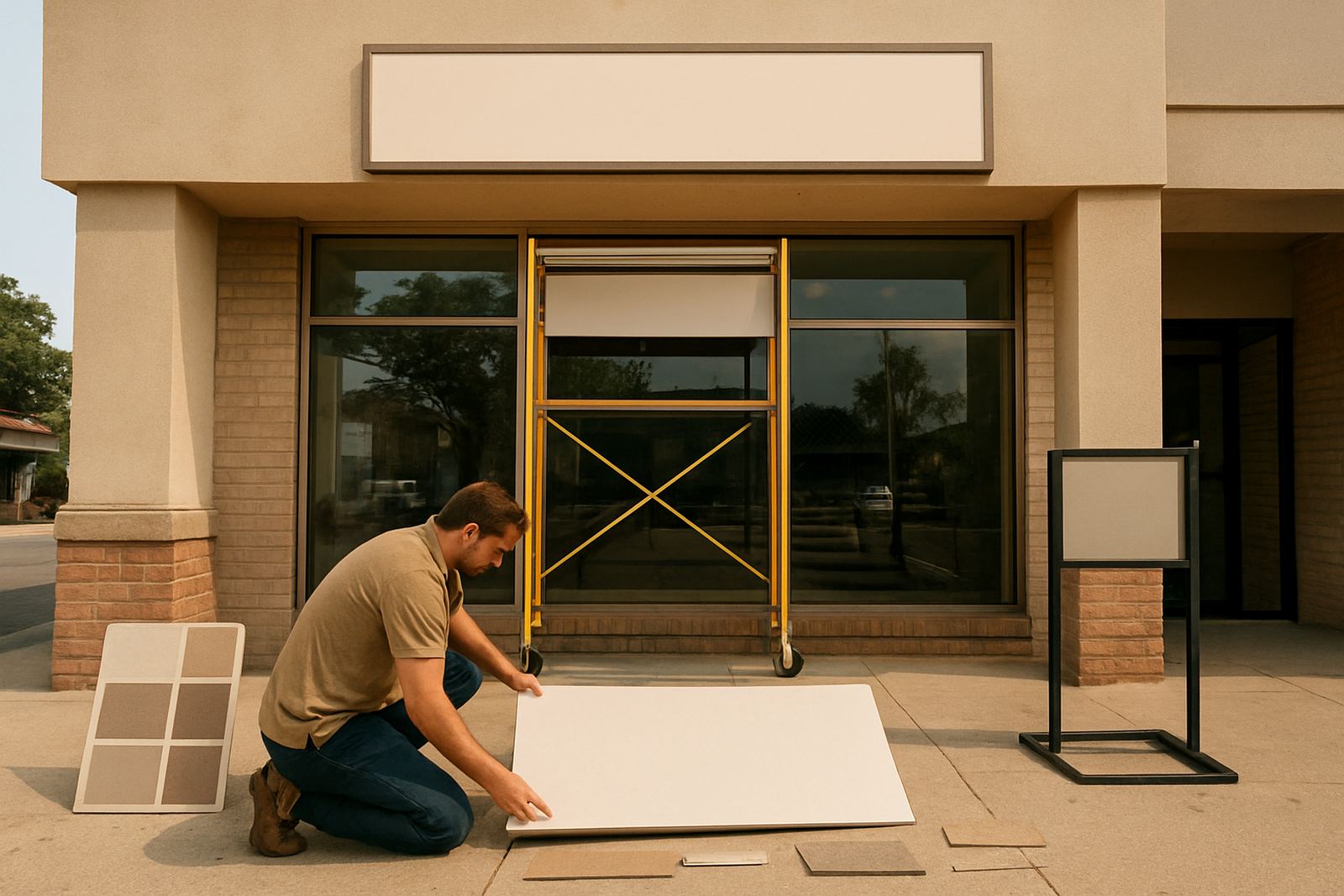
Walk your site at least once a month and look at every sign from the customer’s point of view. Check whether the message is still clear at a distance, whether any panels have shifted, and whether the finish has faded, cracked or lifted at the edges. In Hartbeespoort and Pretoria, dust, wind and strong sun can age signs faster than many businesses expect.
A proper inspection does not need special equipment, only a clear checklist and a few minutes at each location. If you manage multiple branches across Tshwane, Brits, Centurion or Akasia, record the date, the issue found and what was done. This helps you catch small faults before they become costly, especially on fascias, pylons and shopfront lettering that face traffic and weather every day.
- Check for loose fixings, missing caps and rattling panels.
- Look for peeling vinyl, cracked acrylic, rust, water staining or bird damage.
- Test illuminated signs after load-shedding or power restoration.
- Confirm that all signs are still level and visible from the road or walkway.
- Note any faded branding that no longer matches your current colours.
Cleaning Methods That Protect the Finish
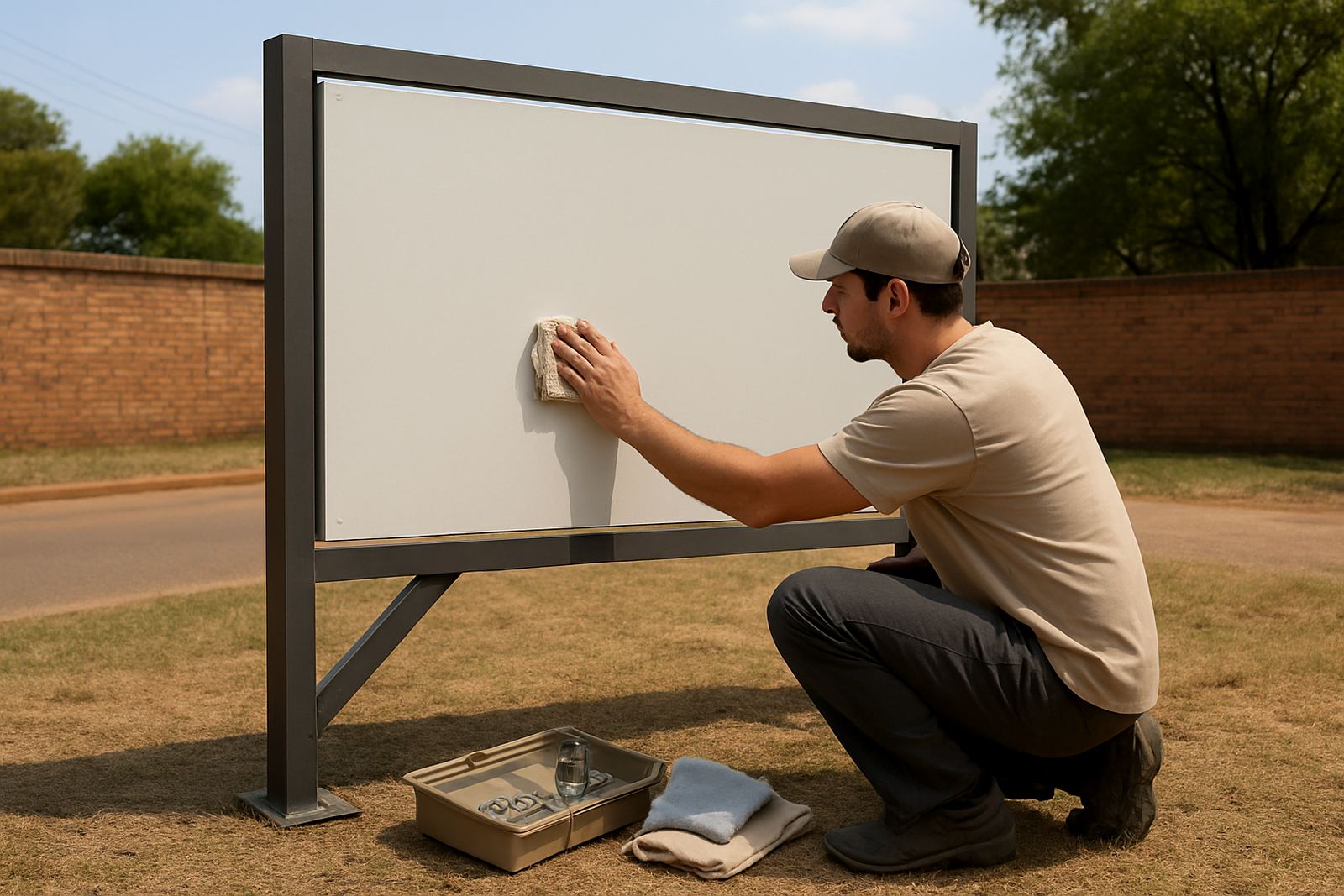
Most signs only need gentle cleaning with clean water, a soft cloth or sponge, and mild soap. Avoid abrasive pads, harsh thinners and strong chemical cleaners unless the sign material allows for it. A heavy hand can scratch acrylic, dull printed graphics and lift edges on vinyl, which is a common problem on exposed sites near busy roads or dusty yards.
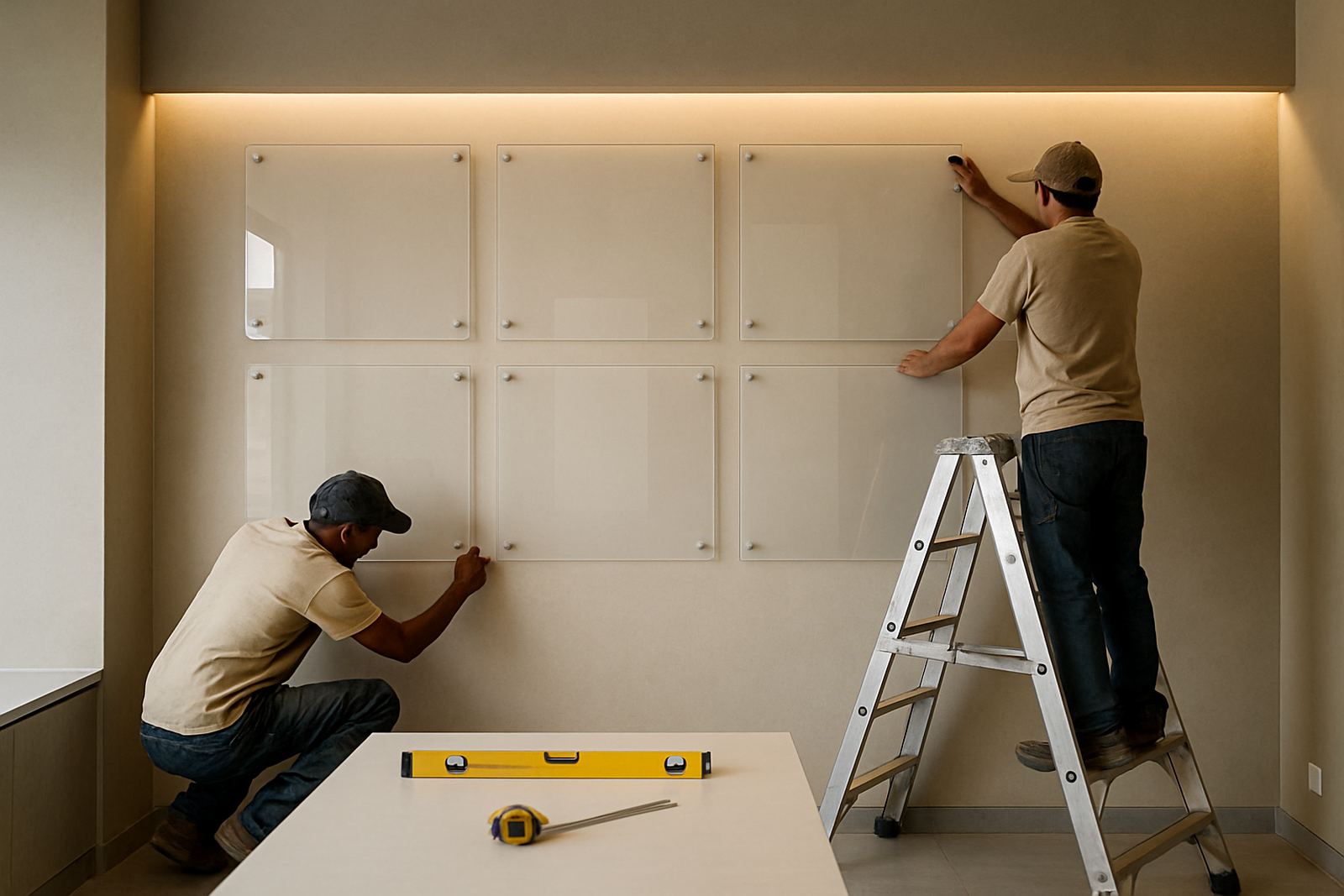
For exterior signs, clean from top to bottom and rinse well so soap does not leave streaks. If the sign is mounted high, make sure access is safe and suitable for the surface. For interior signage in reception areas, retail floors or boardrooms, use a dry microfibre cloth first to remove dust before wiping. If there are fingerprints around doors or counters, a light clean every week will keep the branding looking cared for.
- Use soft water where possible to reduce spotting.
- Do not pressure wash vinyl graphics or older printed panels.
- Clean early in the morning or late afternoon to avoid fast drying in direct sun.
- Dry metal trims and frames after washing to reduce water marks and corrosion.
Protect Signs From Sun, Wind and Coastal Humidity
South African weather is hard on signage. Intense UV exposure fades colour, while wind can work loose fixings and coastal humidity can cause rust on untreated steel. Even inland, temperature changes and summer storms put stress on mounts, sealants and printed surfaces. A sign that looks fine from far away may already have hidden damage at the back or inside the frame.
Where signs face strong afternoon sun, check for bleaching, brittle edges and lifting corners more often. If a sign is near spray, dust or chemical fumes, increase the cleaning interval. On metal signs, watch for early rust at screw points and joins, because once corrosion starts it can spread under the paint. Good drainage and sealed edges matter just as much as the face of the sign.
- Inspect exposed steel, brackets and fasteners every season.
- Check sealant around lightboxes, wall signs and roof-mounted units.
- Replace torn, cracked or waterlogged backing boards quickly.
- Touch up coating damage before rust or staining spreads.
Keep Illuminated Signs Safe During Power Interruptions
Illuminated signs need extra care, especially where power cuts are frequent. After load-shedding or outages, switch on the sign and check for flickering, uneven brightness or sections that stay dark. These are early signs of a failing power supply, loose wiring or damaged lighting modules. If the sign is used to attract evening trade, even one dark section can make the whole frontage look neglected.
Do not keep opening electrical housings unless the person doing the work is qualified for it. Water ingress is another issue to watch for after heavy rain. If there is condensation inside a lightbox, or if the sign trips when switched on, take it seriously. Early attention can prevent a complete failure and reduce the risk of fire or electrical damage.
- Test illuminated signs after every outage and after storms.
- Look for flicker, dim patches and colour changes.
- Check that access panels close properly and seals are intact.
- Arrange urgent attention if you smell burning or see scorch marks.
When to Repair, Refurbish or Replace
Not every worn sign needs a full replacement. Some can be repaired, re-skinned or refurbished and put back into service for far less than the cost of starting again. If the frame is still sound but the face is faded, a new graphic layer may be enough. If the structure is warped, corroded or repeatedly letting in water, replacement is usually the better option.
A good rule is to compare the cost of ongoing patch jobs with the value of a proper refresh. A sign that keeps peeling, leaking or losing pieces can affect how customers judge the business. For retail rollouts and municipal sites, consistency matters too. It is often better to update a tired set of signs together so the whole site looks coherent rather than bitty.
- Repair when the structure is solid and damage is limited to the face or finish.
- Refurbish when graphics are outdated but the frame and mount are still serviceable.
- Replace when there is rust, movement, electrical failure or repeated water damage.
- Review older signs if your branding, opening hours or contact details have changed.
A Practical Maintenance Checklist for Branches and Rollouts
If you manage more than one site across Gauteng, the easiest way to stay on top of signage is to work from a standard checklist. That way each branch is judged by the same measure, whether it is in Pretoria, Centurion, Brits or Soshanguve. The aim is not just to keep signs clean, but to keep them safe, legible and on-brand.
Use the same checklist for front-of-house signs, directional signs, parking signs, window graphics and vehicle branding. Keep a file of photos so you can compare before and after work. When a sign starts looking tired, the photos will show whether the issue is fading, dirt, impact damage or a mounting problem that needs proper attention.
- Monthly: clean, inspect and photograph every sign.
- Quarterly: check fixings, illumination and sealant.
- After storms: inspect mounts, water ingress and damage.
- After branding changes: update all visible signage together.
- Every year: review which signs need refurbishment or replacement.
Who Should Handle the Work and How to Plan It
Simple cleaning can be done by site staff if they have the right access and a clear process. Anything involving height work, electrical fault-finding, structural movement or traffic-facing installations should be handled by people who know the risks and the materials involved. It is better to plan one proper visit than to send someone out twice because the first attempt was incomplete.
For businesses with a main base in Hartbeespoort and sites in Pretoria or the wider Tshwane area, scheduling maintenance around trading hours, municipal access rules and weather can save time. Keep a small stock of approved cleaning materials, replacement fixings and spare graphics where possible. That makes small repairs faster and helps your signage stay presentable between larger service visits.
Good maintenance is not about making signs look new every day. It is about keeping them clean, readable and secure so they keep doing their job for longer, with less disruption and lower overall cost.