Start with the job: temporary, semi-permanent or long-term
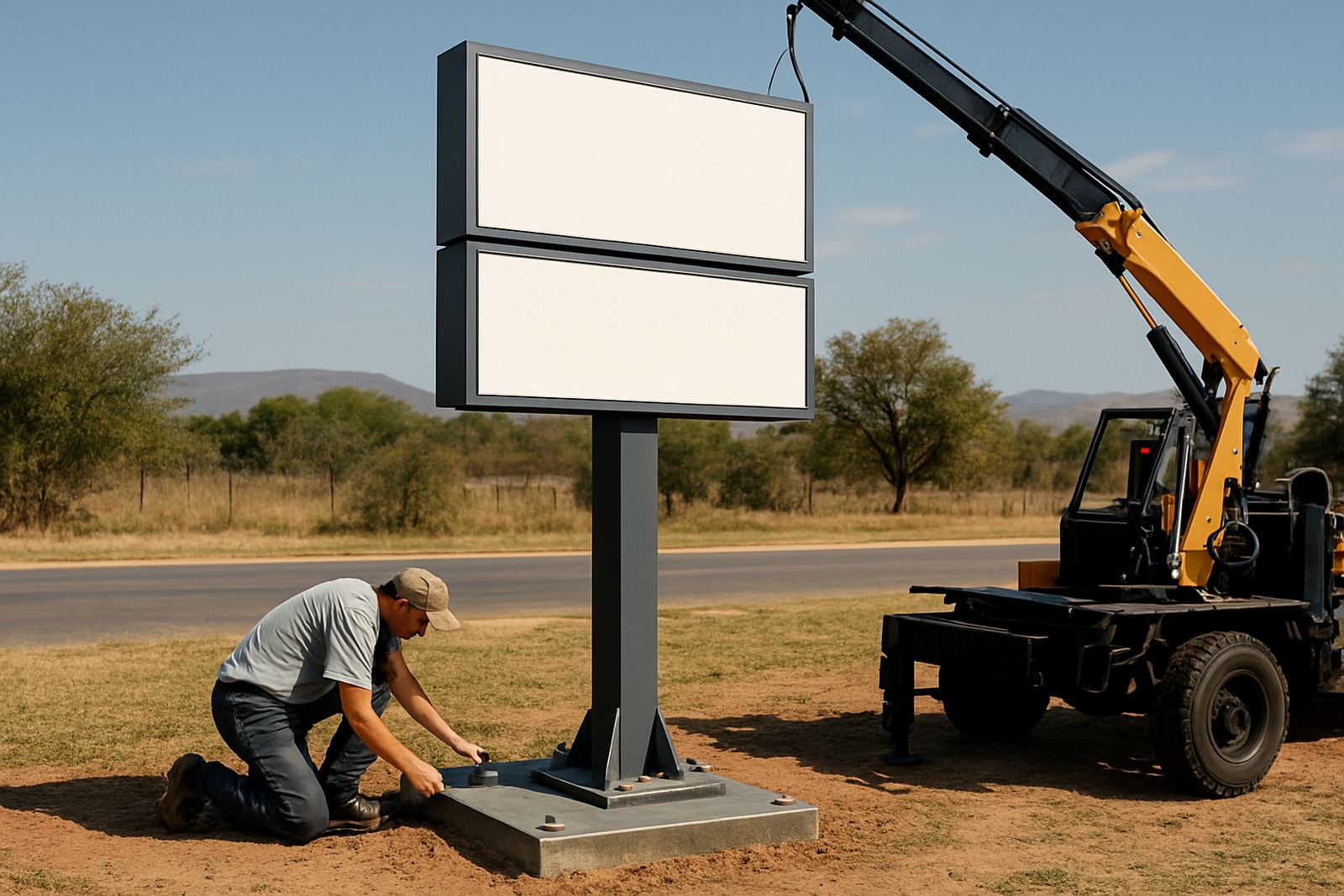
Before you print or fabricate anything, decide how long the board must stay up and what it needs to do. A short term development notice, a project sign for a 6 to 12 month build, and a semi-permanent branding board for a retail site all need different materials, fixing methods and finishes. In Hartbeespoort, Pretoria and across Tshwane, wind exposure, dust and sun can shorten the life of a weak board very quickly.
As a rule, temporary boards are best when you need speed and lower cost. Semi-permanent boards suit sites that will run for months and need a cleaner appearance, better weather resistance and stronger mounting. If the board must face traffic or stay up through summer storms and load shedding related site delays, plan for a tougher structure from the start. It is cheaper than replacing a warped panel later.
Choose the board material that suits the site
The right substrate depends on size, location and whether the board will be moved. For many developments we recommend a rigid board with a smooth face for printing, or a framed structure where the panel can be replaced without rebuilding the full sign. Coastal air is not the main issue in Gauteng, but high UV, dust and sudden rain still punish low-grade material. Around Rosslyn, Akasia and Centurion, roadside boards also need enough strength to handle wind movement.
- Foam board: light and cost effective for short term indoor or sheltered use.
- Correx-style fluted board: useful for temporary notices, directional signs and quick campaigns.
- Aluminium composite panel: neat, durable and suitable for longer exposure outdoors.
- PVC board: good for printed graphics where a rigid face is needed.
- Frame and panel systems: best when the site needs a board that can be updated without full replacement.
For a sales office, estate entrance or contractor board, we usually look at size, visibility distance and how often the content may change. A panel that is too thin can bow in the sun, while a board that is too heavy can make installation difficult. The aim is to balance cost with a proper life span, not to overbuild the job.
Size, layout and readability from the road
A site board must be readable in the time a driver has to glance at it. That means clear hierarchy, large type and enough contrast between text and background. If the board sits on a busy road in Pretoria or near the N4 corridor, keep the message simple. One headline, one or two contact lines and a few key project details are usually enough.
As a practical guide, think about viewing distance first. A board seen from 10 to 20 metres can carry more detail than one seen from a moving vehicle at speed. Important text should be kept large, with the main line set higher and secondary information below. Avoid crowded layouts, tiny disclaimers and pale text on reflective finishes. We often see boards that are technically complete but impossible to read at a glance, which defeats the point.
- Use a strong headline that says what the site is.
- Keep phone, web or enquiry details in one clear place.
- Leave enough white space so the board is not overpacked.
- Use logos and colour blocks only where they help visibility.
- Check the board at real viewing distance before sign off.
Permits, approvals and site rules before installation
Many site boards need some level of approval, especially along municipal roads, at public-facing developments or on property with estate rules. In Tshwane and nearby areas, the process can vary depending on where the board will stand, how large it is and whether it affects visibility, traffic or pedestrian movement. It is better to confirm the rules early than to install, remove and reinstall later.
Permit assistance is often part of a proper sign project. We recommend checking the following before production starts:
- Whether the board sits on private property or in a public verge.
- Any estate, municipality or landlord approval requirements.
- Height, setback and placement restrictions.
- Whether the board needs to be temporary or semi-permanent on paper too.
- Access for installation vehicles, ladders or mobile access equipment.
For larger rollout work across Gauteng, this planning step saves real time. It also helps with project scheduling if the site has limited working hours, security gates or active construction traffic. A good board can be made and installed quickly, but the paperwork should never be left to the last minute, ag nee.
From artwork to fabrication: what a clean site board needs
The quality of the final board depends on the quality of the input. Good artwork preparation means the colours are set correctly, the text is accurate and the file is built for the actual board size. If a logo is stretched, low resolution or missing key details, the printed result will look poor no matter how good the material is. That is why artwork prep matters just as much as printing and fabrication.
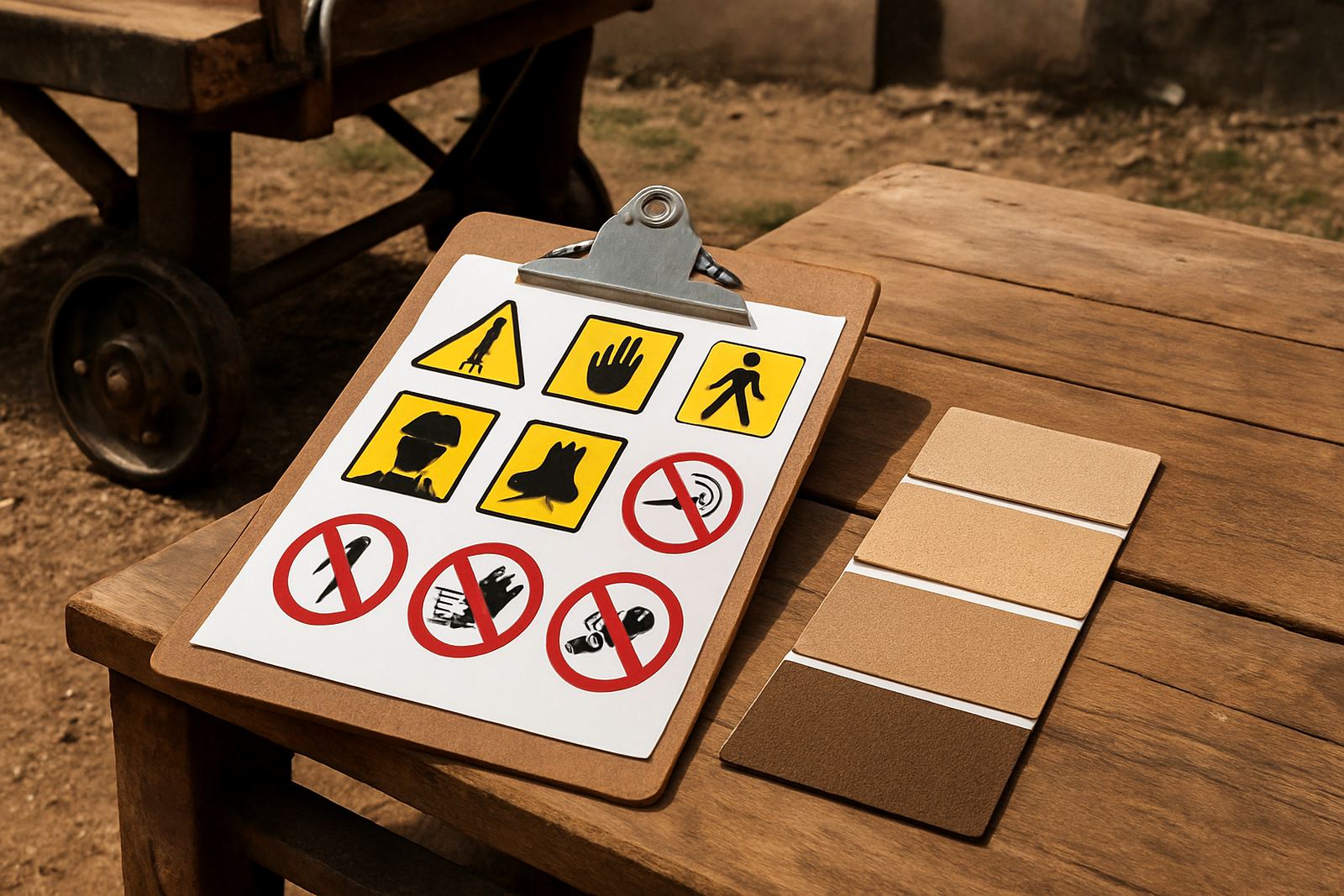
For a professional result, the production team should confirm measurements, mounting points, finish and any special site notes before manufacture. On a development board, that may include project names, contractor details, safety wording, phase dates or directional information. On a branded promotional board, it may include campaign messaging, QR details and contact information. The board should also be checked for weather exposure, especially where rainwater can run over the face or where direct sun is strong for most of the day.
Installation, maintenance and replacement planning
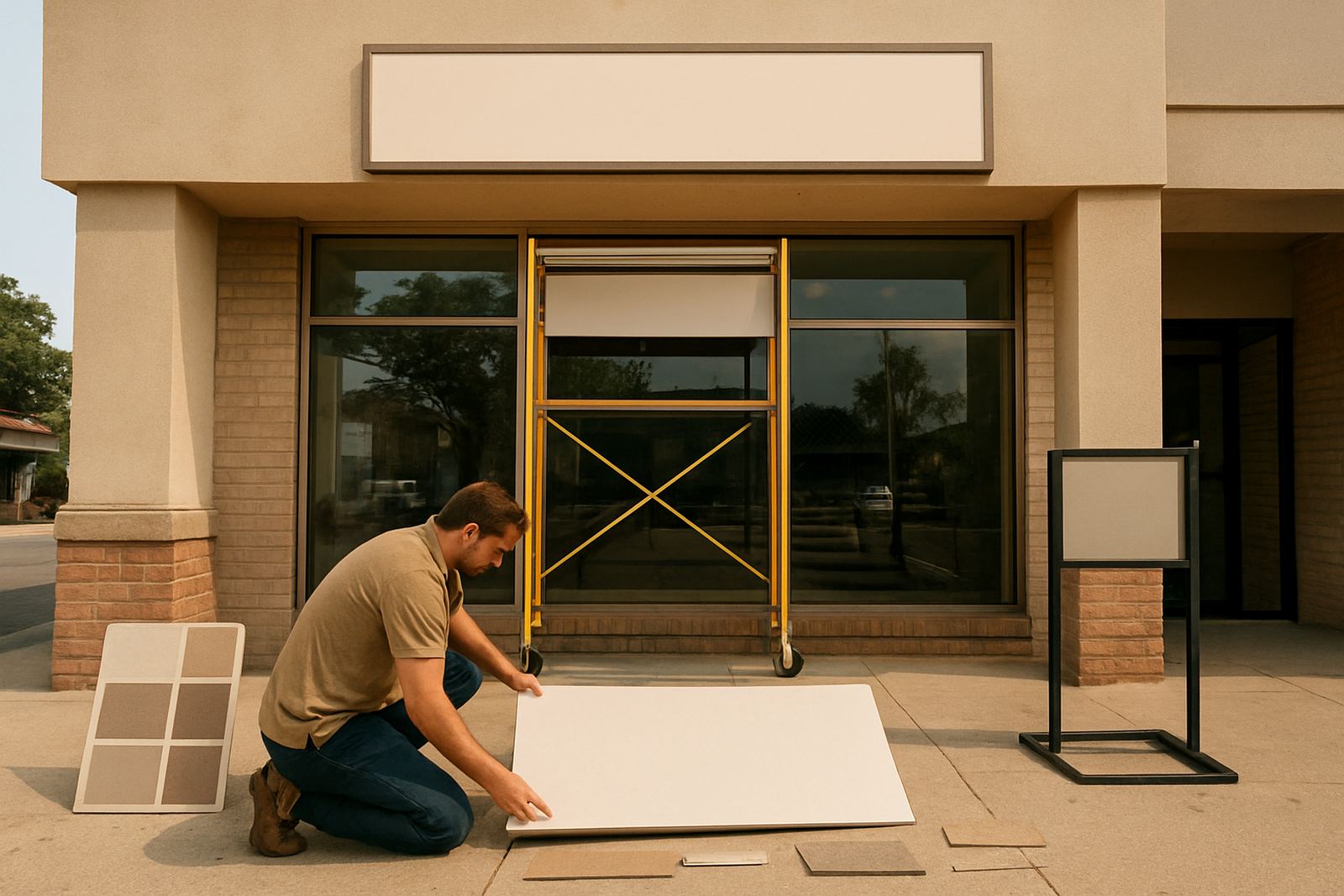
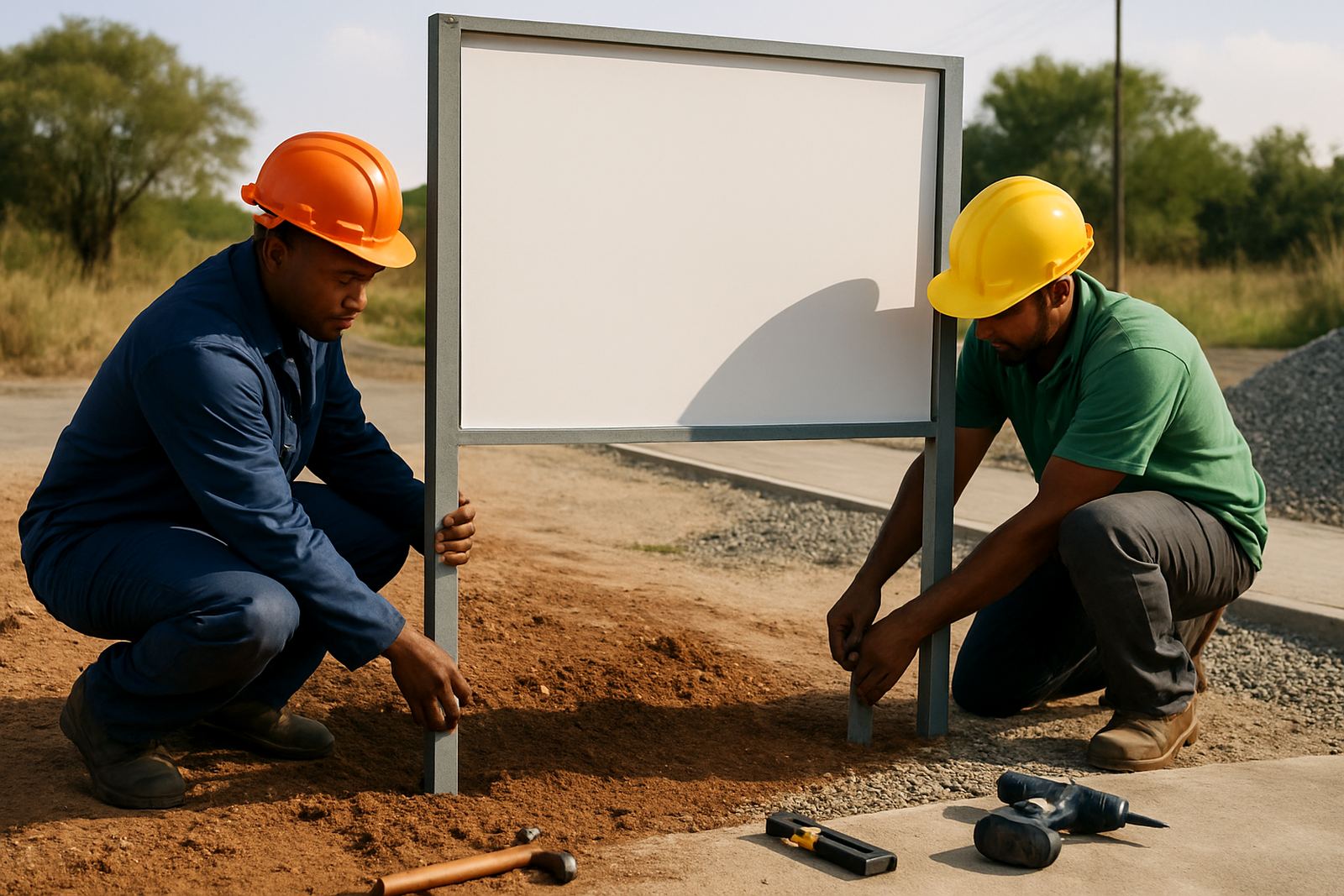
Even a well-made board will fail early if it is badly fixed. Installation should suit the substrate, wind load and the surface on site. A wall mounted board needs different fixing to a freestanding panel, and a roadside board needs stronger support than a short-term notice at a controlled entrance. On uneven ground or around active building works, alignment and safety are just as important as appearance.
After installation, a simple maintenance plan keeps the board presentable. Dust, bird marks, faded edges and loose fixings build up over time, especially on exposed sites around Pretoria, Centurion and Brits. It helps to schedule a quick inspection after heavy rain or strong wind, then again before a major handover or marketing push. If the board is part of a long campaign, keep the artwork on file so replacements can be made fast if a panel is damaged.
- Inspect fixings after storms and strong wind.
- Check for fading, lifting vinyl or cracked edges.
- Clean the face with suitable non-abrasive materials.
- Keep spare artwork and measurements for future updates.
- Plan for replacement before the board becomes unreadable.
A Practical Checklist Before Ordering a Site Board
Before you confirm your site board, gather the basics so production can move without delays. Clear information helps avoid reprints, late changes and site access problems. It also makes it easier to compare material options and choose the most practical finish for the project.
Use this checklist:
- Board purpose: development, direction, branding or compliance.
- Expected lifespan: days, months or longer.
- Exact size and mounting location.
- Artwork copy, logos and approvals.
- Site access details and installation date.
- Permit or estate approval requirements.
- Maintenance and replacement expectations.
If you are managing a rollout across Hartbeespoort, Pretoria, Tshwane or Centurion, it helps to keep one contact person in charge of approvals and changes. That reduces mistakes and keeps the schedule tight. A site board is a practical tool first, so it should be planned with the same care as the rest of the project.