
Start With Where the Banner Will Work Hardest
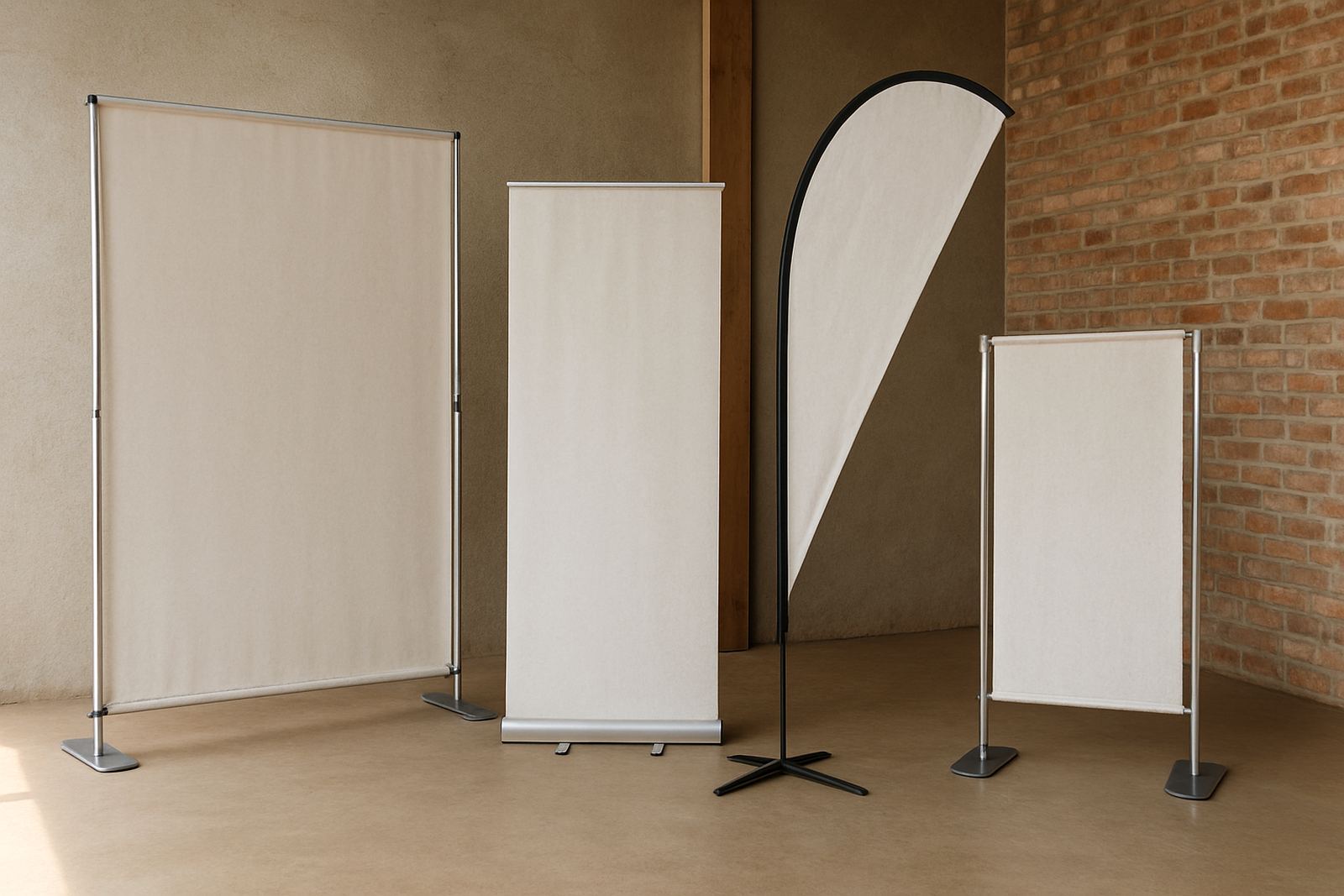
The best banner is not always the biggest one. Start by looking at the setting first: indoor foyer, retail floor, roadside frontage, expo hall, municipal event or outdoor forecourt. A pull-up banner suits close viewing and repeated set-up, while a banner wall gives a larger brand area for launches, promotions and press backdrops. Outdoor flags work best when you need motion, height and visibility from a distance.
In Pretoria, Centurion and Tshwane venues, the common pressure points are foot traffic, loading access and how quickly branding must be installed before doors open. In Hartbeespoort and Brits, wind and dust can change what works best outside. For coastal humidity or wet conditions, material choice and finishing matter just as much as the artwork.
- Use pull-up banners for receptions, counters and seminar rooms
- Use banner walls for exhibitions, product launches and media backdrops
- Use outdoor flags for forecourts, roadside visibility and event entrances
- Check floor space, wind exposure and how often the display will be moved
Pull-Up Banners: Quick to Set Up and Easy to Move
Pull-up banners are the most practical option when you need a tidy display that can travel from one site to another. They pack into a carry case, stand on their own and set up in minutes. That makes them useful for sales teams, showroom promotions, conference stands and in-store announcements.
They are best for short to medium viewing distances. If people will stand close enough to read details, you can use smaller text blocks, a clear headline and one strong visual. Keep the message simple. One offer, one call to action and one contact point is usually enough.
For frequent use, ask for a stable base, a decent print finish and a design that is not overloaded with tiny text. If the banner will travel between Hartbeespoort, Pretoria and Centurion, it should also be easy to store in a vehicle without getting scuffed or bent.
- Good for indoor use and sheltered entrances
- Best for temporary promotions, product launches and events
- Choose a carry case if staff will transport it often
- Avoid placing it where strong wind or uneven flooring can cause issues
Banner Walls for High-Impact Backdrops and Long Runs
Banner walls are the stronger choice when you need a wider message area or a cleaner background for photographs, stage presentations or trade stands. They can be used as a single wide panel or a linked wall system depending on the site and the message. In larger spaces, they help fill blank wall areas and create a consistent branded look across the full stand.
These displays work well for municipal campaigns, retail openings and brand activations where multiple people will view the artwork at once. A banner wall also gives you more room for logos, sponsor panels, service lists and campaign artwork. Because the viewing distance is often further away, bold graphics and large type work better than detailed text.
When planning the layout, think about joins, support points and where the viewer will stand. A wall that looks good on paper can fall flat if the main message sits too low or the brand mark gets split awkwardly across panels.
- Use for stage fronts, exhibition stands and photo backdrops
- Plan artwork around support poles and panel joins
- Keep logos large enough to read from across the room
- Allow for transport, assembly and storage space
Outdoor Flags: Built for Movement, Height and Visibility
Outdoor flags are useful when you want attention from passing traffic or visitors approaching from a distance. They move in the breeze, which helps them stand out in busy outdoor areas. That makes them a strong choice for forecourts, open-air promotions, sports days and roadside events in areas like Akasia, Rosslyn and Soshanguve.
Because they are exposed to sun, wind and rain, the pole, base and fabric all need proper attention. A light base may be fine indoors but outdoors it needs the right weight or ground fixing. The print should also be suited to repeated exposure, especially in the hot months and during load shedding periods when outdoor activity often runs on tighter time windows.
Where the wind is strong, a flag that is too large for the site can become difficult to control. It is better to match the size to the location than to choose the biggest possible option.
- Best for entrances, roadside points and open courtyards
- Needs the right base, especially in windy conditions
- Good for temporary campaigns and recurring events
- Check visibility from vehicles as well as pedestrians
Artwork, Print and Finishing Checks Before Production
Good banner printing starts with the artwork file. If the design is too busy, too small or not set up for the actual size, the finished display will lose impact. Keep the message readable and make sure the print resolution suits the format. A pull-up banner and a large banner wall do not need the same level of detail in every area.
Before production, check colours, spelling, logo spacing and the final size. This is also the right time to confirm whether the display needs hemmed edges, eyelets, pockets, reinforced stitching or a specific stand fitting. For outdoor work, ask about the best material for UV exposure and moisture, especially in humid or rainy conditions.
A simple pre-production checklist saves time and avoids reprints. It also helps when the campaign needs to go out across several sites at once.
- Confirm final dimensions and viewing distance
- Check spelling, phone numbers and dates carefully
- Ask where the banner will stand and for how long
- Choose finishing that suits indoor or outdoor use
- Allow for installation access and storage after the event
Installation, Maintenance and Storage Tips That Save Money
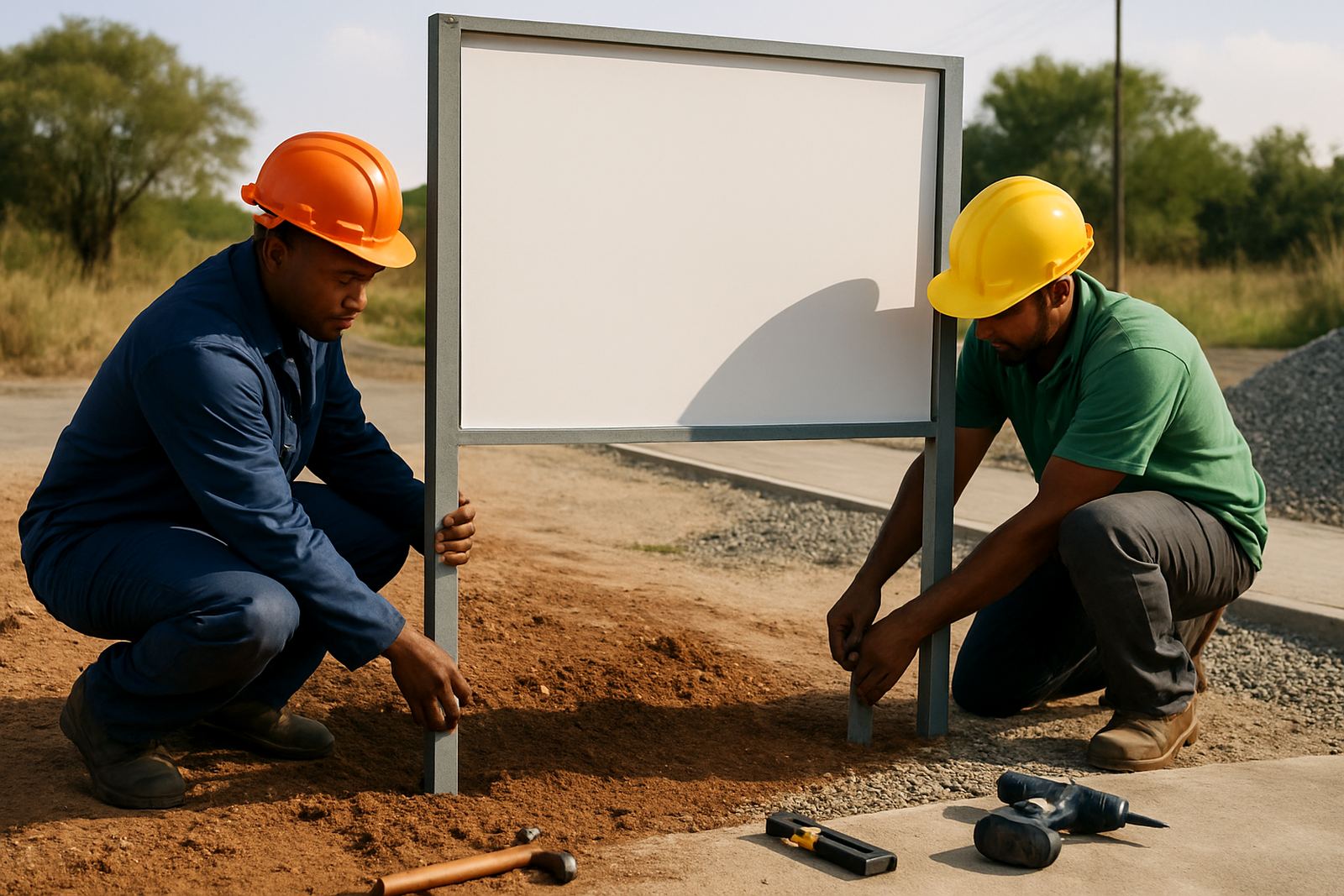
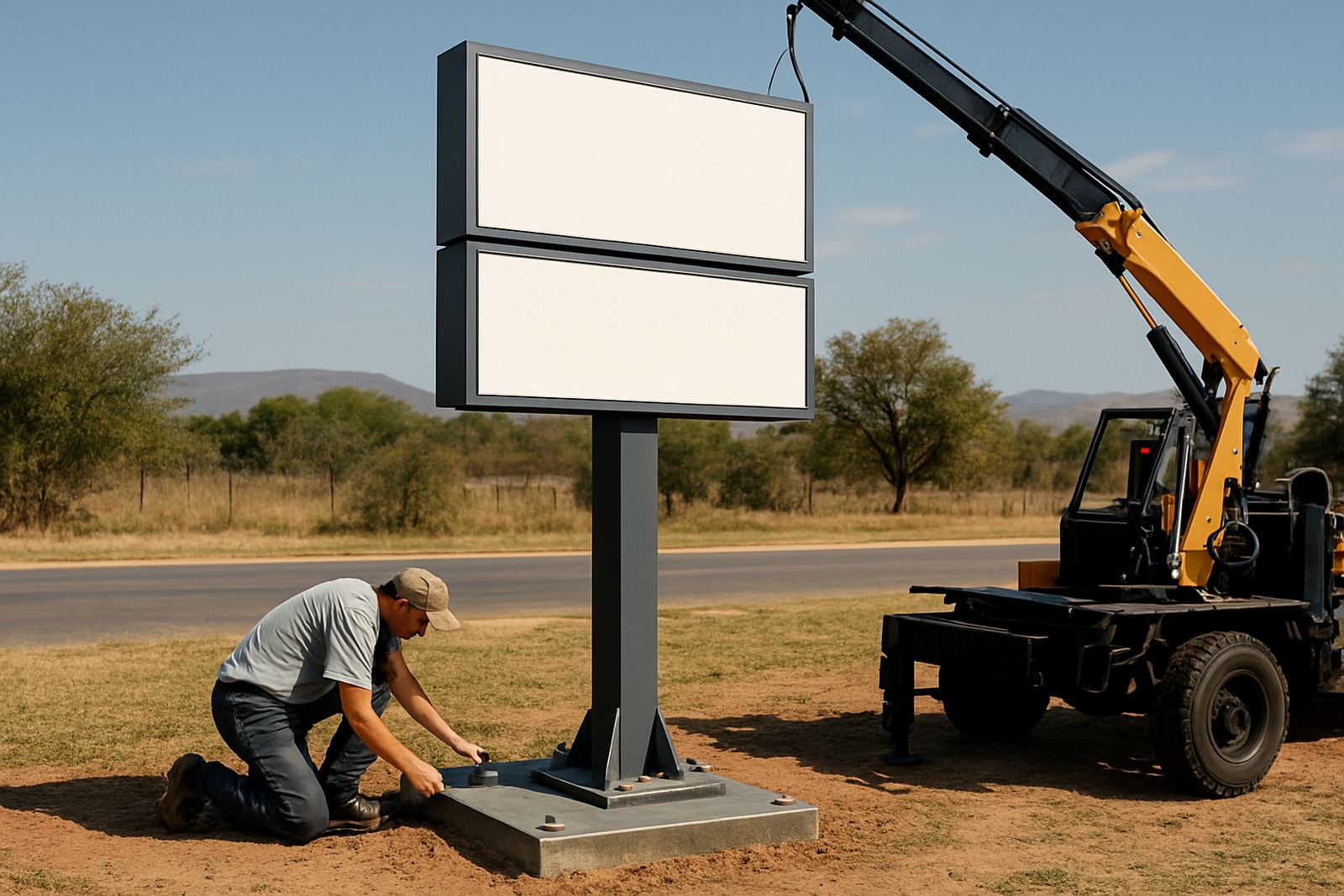
Installation affects how long a banner display lasts. If a stand is uneven, a wall is fixed badly or a flag base is too light, the display will wear faster than it should. For recurring campaigns, proper installation and maintenance are worth planning from the start. That is especially true for retailers and municipalities running displays across multiple sites.
Clean prints with care and keep them dry before packing away. Avoid folding graphics sharply where possible, and store them in a sleeve or case so they do not get scratched. If the display is outside for long periods, inspect seams, fixings and brackets regularly. A small repair done early is cheaper than replacing the whole unit later.
For busy teams in Pretoria, Centurion and the wider Gauteng area, a simple handover checklist helps. It should note where each banner goes, who signs it off and whether it needs to come back after the campaign. That way nothing gets lost between branches or event sites.
- Inspect stands, poles and fixings before each use
- Store banners flat or in cases to reduce damage
- Clean dust and moisture off before packing
- Log installation and collection dates for campaign rollouts
Choosing the Right Option for Your Next Campaign
If you need something fast, portable and easy to repeat, a pull-up banner is usually the best fit. If you need a larger branded backdrop or a stronger stage presence, choose a banner wall. If the goal is to catch attention from further away, an outdoor flag is often the better answer. The right choice depends on where people will see it, how long it will stay up and how much weather exposure it will face.
At HM Graphics & Signs, we help clients compare the options, check the site and prepare the artwork, manufacture and installation plan before production starts. That saves time when the brief comes from a retailer, brand team or municipality with several sites to cover and a tight deadline to meet.
If you need a practical recommendation, begin with the location and the viewing distance. The format usually becomes clear from there.