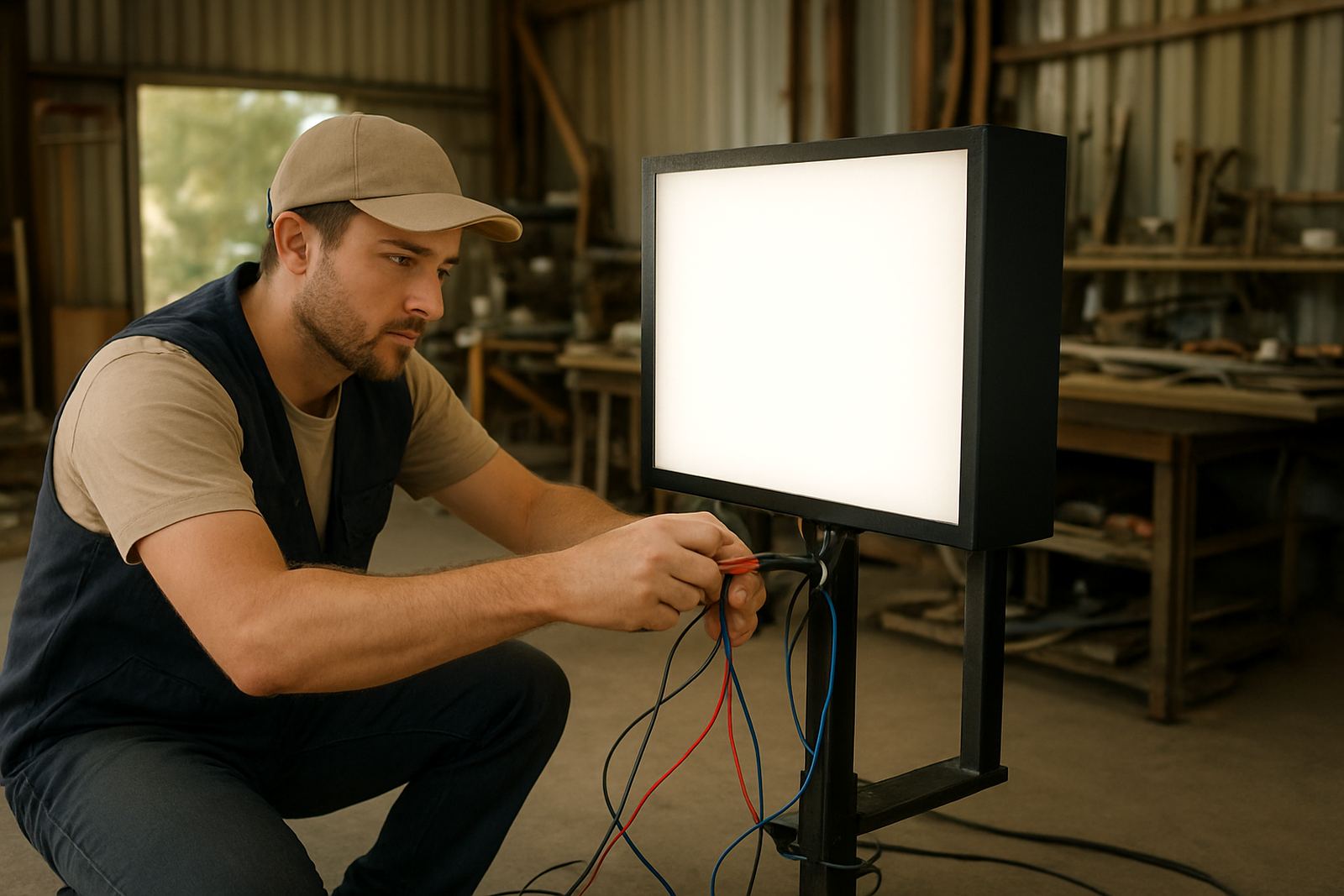
What a Light Box Does for Your Site
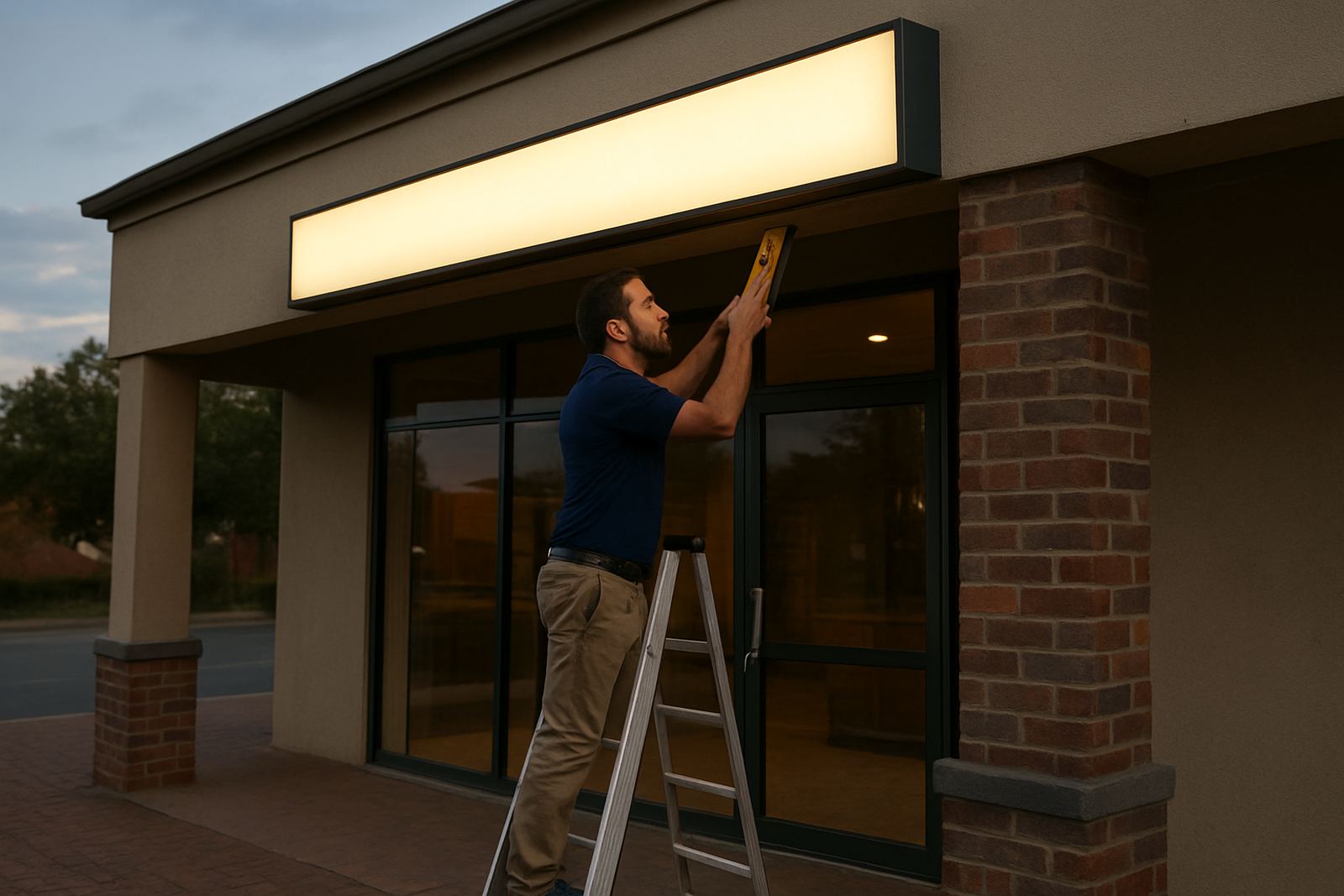
A light box is a sign cabinet with internal illumination behind a face panel, usually fitted with your logo, lettering or full colour artwork. It gives even light across the whole display so your message stands out at the roadside, at a mall entrance or on a building fascia. In Gauteng, where late trading and early evening traffic are common, that extra visibility can make a real difference to footfall and direction finding.
We manufacture light boxes for retail fronts, forecourts, service businesses, municipal facilities and branded tenancy signage. They can be single sided or double sided, wall mounted or fitted to a frame, and made to suit a neat corporate look or a more practical directional sign. The structure can be slimline for a clean finish, or deeper where stronger light output and easier servicing are needed.
Because the sign is illuminated, the face material, wiring and sealing all matter. A good light box should keep dust out, handle heat, and stay readable through load-shedding schedules and long operating hours. For coastal humidity, high wind areas and exposed edges, the cabinet needs proper sealing and corrosion resistant fixings so it does not stain, swell or fail early.
Sizes, Materials and Illumination Options
Light boxes are made to order, so the size depends on your wall space, viewing distance and the amount of detail in the artwork. Small units are often used for directional signs or branding over a service point, while larger cabinets are used above shopfronts or along a building edge where they need to be read from the street.
- Typical face sizes range from 600 x 300 mm up to 6000 x 1500 mm or larger, depending on mounting and wind load
- Common depths are 100 mm, 150 mm and 200 mm, chosen according to illumination needs and the number of tubes or LEDs
- Faces can be clear, opal, translucent print film, or routed acrylic with cut vinyl graphics
- Frames are usually aluminium or powder coated steel, with sealed corners and access panels for maintenance
- Illumination is generally LED for lower power use, cooler running and better consistency during long trading hours
For larger signs, the internal layout must be planned carefully so there are no dark patches at the corners or along long panels. We also look at whether the site takes direct sun. In strong sunlight, a face with the right translucency and colour choice will hold its clarity better through the day, while still looking bright after dark.
Where Light Boxes Work Best
Light boxes are suited to places where people need to find you quickly, especially in areas with passing traffic or shared premises. They are common on retail centres, forecourts, pharmacies, takeaways, offices, clinic entrances and municipal buildings. In Pretoria, Centurion, Brits, Akasia and Soshanguve, they are often used where signage must stay visible through late trading, security gates or street congestion.
They also work well for:
- Shopfronts with limited fascia depth but strong visibility needs
- Building entrances where a lit name plate helps visitors find the correct access point
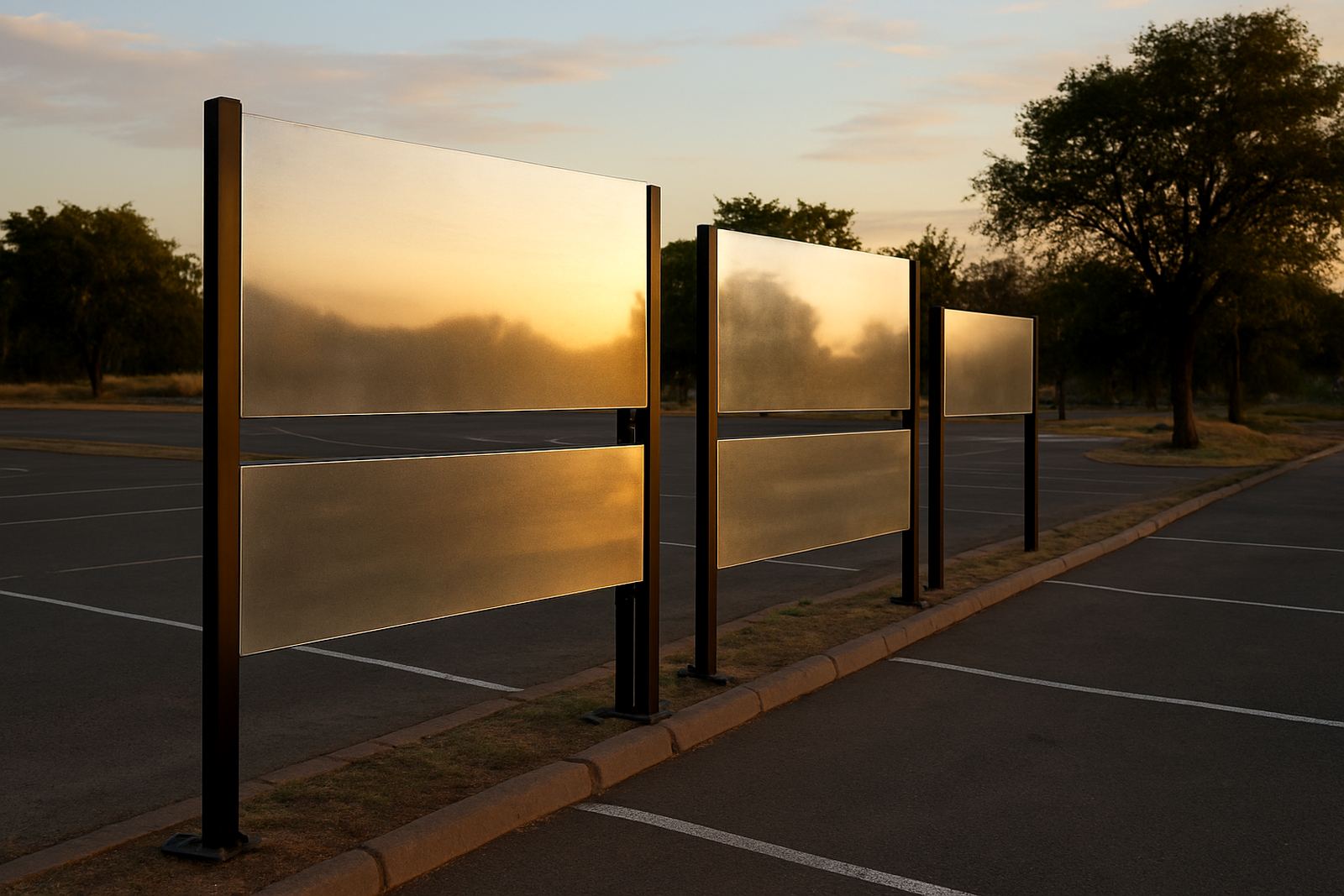
- Directional signs in parking areas, loading zones and public service sites
- Promotional campaigns that need a clear, repeatable format across multiple branches
For sites near busy intersections or taxi routes, the copy has to stay short and readable. That means using a good type size, strong contrast and clear spacing. If the sign is too busy, it loses value at the very moment people are trying to read it from a moving vehicle.
Installation, Power and Site Checks
Installation starts with a proper site survey. We check wall condition, mounting points, available power, weather exposure and access for lifting or working at height. A light box must be fixed securely, especially where there are strong winds, vibration from traffic or uneven masonry. On older buildings, we sometimes need to add a frame or stand-off structure to get a level finish.
Most light boxes run on low-energy LED components and connect to a standard electrical supply. The wiring route needs to be planned so it is protected from water ingress, exposed edges and tampering. If the site has load-shedding back-up power, the sign can usually be tied into that plan, but the electrical load should still be checked so the system is not overloaded. In some municipal or public-facing settings, permit or approval requirements may apply, depending on location and mounting height.
Before manufacture, we confirm the following:
- Exact sign size and fixing method
- Power point location and cable route
- Viewing distance and reading angle
- Any landlord, body corporate or municipal requirements
- Whether the sign must match existing branding across multiple sites
Care, Cleaning and Servicing
A light box will last longer if it is cleaned and checked on a regular schedule. Dust, pollution and insects can build up on the face and around the seals, especially in busy roadside areas. On coastal routes, salt in the air can also affect fixings and brackets, so regular checks matter there as well.
Simple care includes wiping the face with a soft cloth and mild soap solution, checking for cracked seals, and making sure the cabinet has not shifted after heavy wind or vibration. Do not use harsh solvents on printed faces, because that can dull the finish or damage the film. If the sign starts to flicker, show a dark area or draw more power than expected, the internal components should be inspected rather than left to fail completely.
We handle sign maintenance and refurbishment for one-off units and campaign rollouts alike. That may include replacing faces, checking power units, repairing brackets or updating graphics when a tenant changes or a municipality needs revised branding. A well-kept light box saves money over time because it stays visible and avoids emergency call-outs.
What to Confirm Before You Order
Ordering the right light box is easier when the basics are clear from the start. The biggest differences usually come from size, fixing point, artwork type and the amount of light needed for the site. A sign that looks good on paper can still fail if the face is too busy or the frame is too shallow for the application.
Use this checklist before you approve production:
- Measure the available wall or frame space in millimetres
- Confirm whether the sign is single sided or visible from both directions
- Decide if you need a solid colour face, printed face or cut lettering
- Check if the sign will be indoors, outdoors or under cover
- Confirm the power source and whether back-up power is available
- Ask about access for future servicing and face replacement
If you are fitting several branches across Tshwane or Gauteng, keep the same layout and proportions where possible. That makes rollout easier and gives each site a consistent look, even when the building sizes differ. It also helps with maintenance because replacement parts and artwork files stay standardised.
Built for Local Trading Conditions
Our light boxes are planned for South African conditions, from hot summer afternoons in Hartbeespoort to dusty roadside sites around Brits and the heavier traffic zones of Pretoria and Centurion. We consider heat, rain, dust and service access from the first measurement, because that is what keeps a sign working year after year.
HM Graphics & Signs handles concept, graphic design, in-house manufacture and on-site installation, so the sign stays consistent from the first layout to the final fix. Whether you need one illuminated sign box or a full campaign across several sites, the process is handled by one team and one point of contact. That keeps the job practical and reduces avoidable delays.
Key facts
| Product type | Illuminated sign box with internal LED lighting |
|---|---|
| Common sizes | From 600 x 300 mm to 6000 x 1500 mm plus custom formats |
| Depth options | 100 mm, 150 mm and 200 mm typical |
| Materials | Aluminium or powder coated steel frame with acrylic or printed face |
| Power | Low energy LED, connected to site electrical supply |
| Best use | Shopfronts, forecourts, offices, municipal sites and directional branding |