Signs That Help the Public Find the Right Place
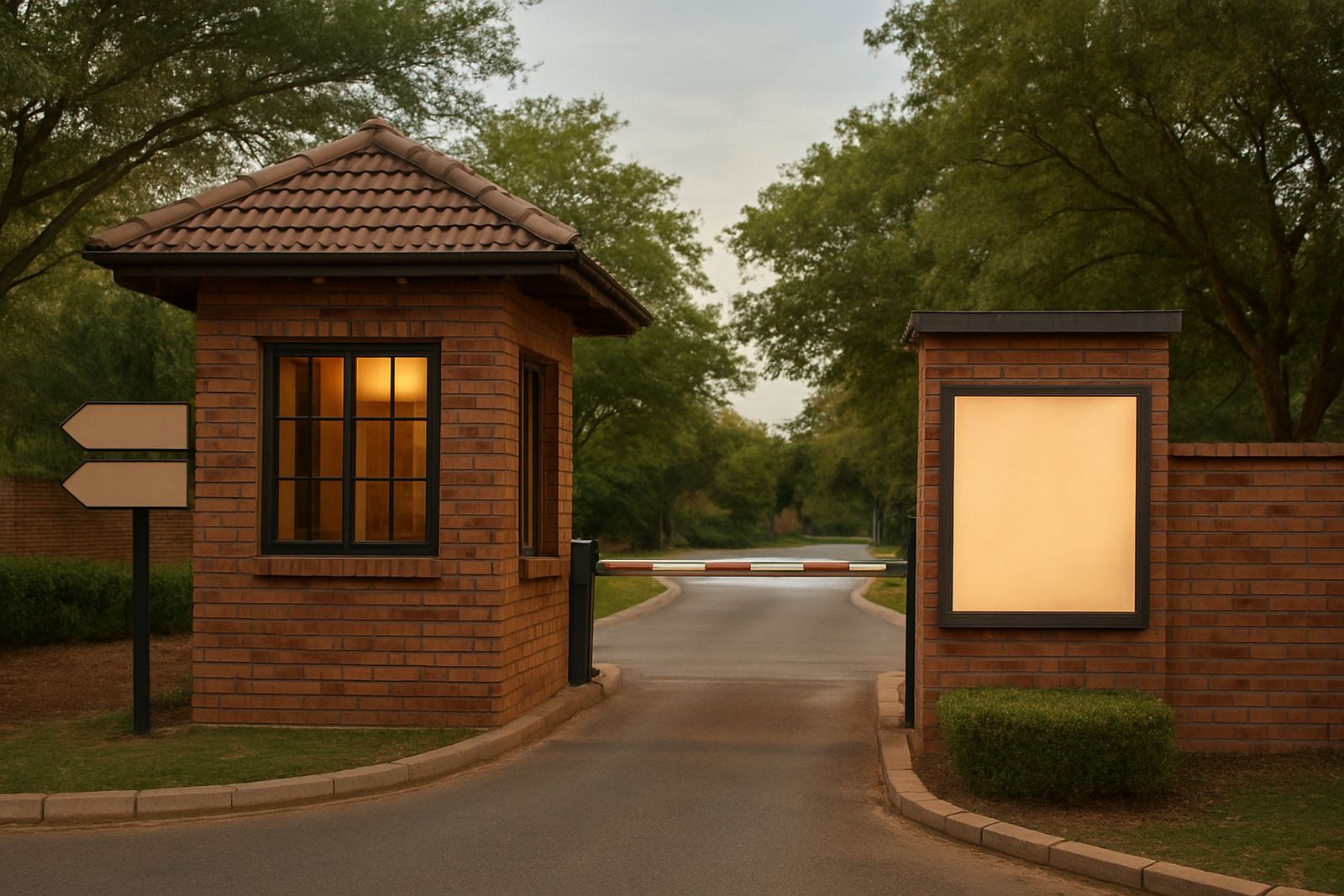
Municipal sites carry a lot of different traffic, from residents and contractors to inspectors, delivery trucks and staff. Good signage needs to guide each group without cluttering the site. At offices in Pretoria or service depots in Brits, the first job is usually to make the entrance clear, then direct people to parking, reception, loading points and public counters.
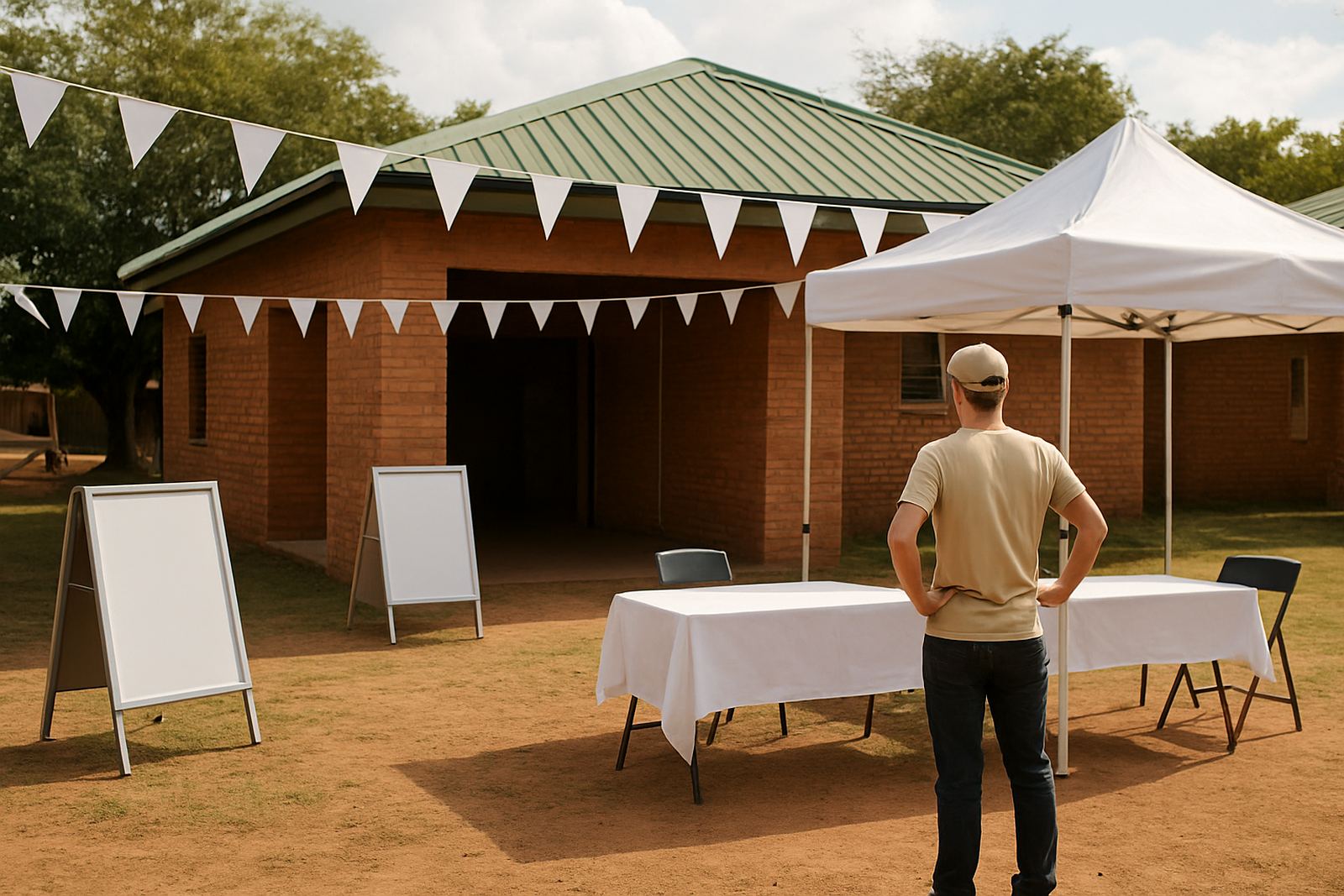
For civic programmes and community facilities, signs also need to stay legible in bright sun, dust and heavy rain. We often recommend plain layouts with strong contrast, large lettering and enough space between messages. If a site has multiple departments or buildings, directional signs and simple map boards save time and cut down on people walking in circles.
- Main entrance and gate signs
- Directional signs for parking, counters and offices
- Notice boards for public information and service hours
- Safety and access control signs
Typical Signage Set for Municipal Sites
A municipal site normally needs a mix of permanent and changeable signs. The exact set depends on whether the site is a head office, depot, park, clinic support facility or a service point. We start with a site survey and then match materials to exposure, size and maintenance needs. For outdoor signs in Hartbeespoort or Tshwane, we factor in sun, wind and dust. Near the coast it would be salt air, here it is often heat, hail and load-shedding related wear on illuminated items.
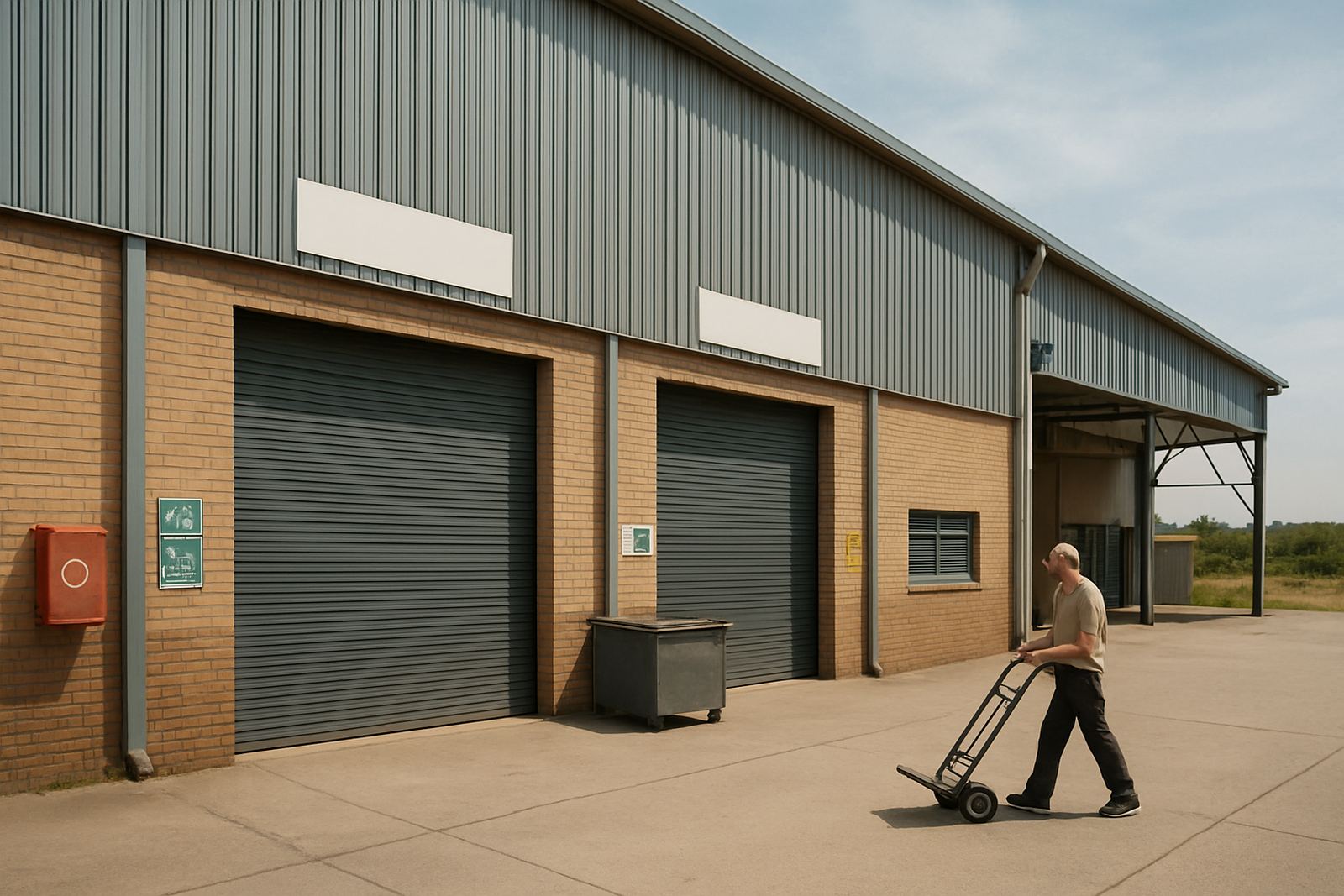
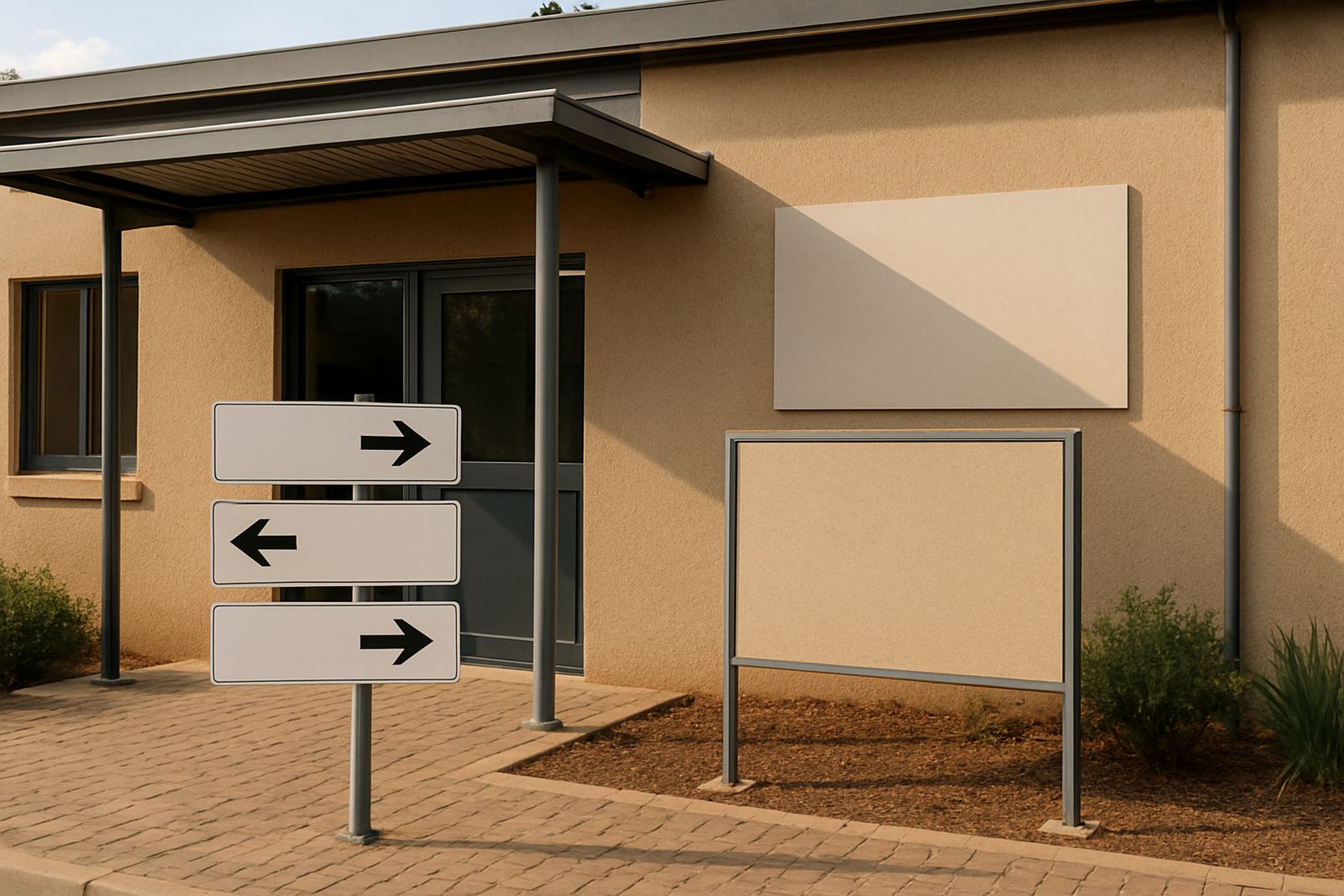
Common items include aluminium composite boards, PVC or acrylic face panels, vinyl graphics on walls and windows, directionals on posts, and metal frames for freestanding signs. Where there is vehicle movement, we can add reflective elements for visibility after dark. For depots and workshops, safety boards and bay numbering are important so staff can work faster and visitors do not wander into restricted areas.
- Freestanding entrance signs and gate markers
- Wall-mounted branding panels
- Window graphics for public counters
- Directional arrows and bay numbering
- Safety, notice and compliance signage
Planning Municipal Sign Layouts for Fast Reading on Site
A municipal sign should be understood in a few seconds. That means placing the main message at eye level where possible, keeping the wording short and using a clear reading order. If a site has several language needs, we suggest prioritising the most important instruction first, then supporting information below it. Too much text is the most common problem we see, especially on signs meant for drivers or pedestrians in a hurry.
Before manufacture, we check viewing distance, mounting height, lighting and the route people actually take. A sign at a gate may need much larger lettering than one in a foyer. In high-traffic areas, it is better to use several smaller signs with one clear instruction each, rather than one crowded board. That approach is easier to maintain and cheaper to update later, especially when departments change or civic messages rotate.
- Keep wording short and direct
- Use high contrast between text and background
- Allow space for logos, departments and permit details
- Match sign size to viewing distance
- Plan for replacement panels when information changes
Materials That Hold Up on Public Property
Municipal sites need signs that can take knocks, cleaning and long exposure. We choose materials based on where the sign will sit and how often it will be touched. On open sites, aluminium composite and powder-coated metal frames are practical because they resist rust better than untreated steel. For wall signs and notice boards, rigid panels with laminated graphics work well. In reception areas, acrylic and vinyl can give a neater finish without making maintenance difficult.
For illuminated signs, we look at power stability, replacement access and whether the sign can remain useful during load-shedding. In many public settings, backlit signs are only worth it if there is a proper maintenance plan. Otherwise it makes more sense to use reflective or non-illuminated signs that stay visible all day and need less attention. On busy sites, we also recommend vandal-resistant fixings and simple face panels that can be swapped out without rebuilding the whole frame.
Permit Checks, Approvals and Site Rules
Public sites often have more checks than private premises. That can include municipal procurement rules, property management approval, wayleave issues, heritage or zoning restrictions and, in some cases, traffic visibility limits. We help clients gather the site information needed for planning and permit assistance where required. The earlier these checks happen, the less chance there is of manufacturing a sign that must be changed later.
Good planning also means knowing who signs off on colours, wording and placement. A common delay happens when one department approves the artwork, then another asks for a different location or size. We advise clients to confirm the exact wording, logo use, language order and installation point before production starts. That saves money and avoids redoing panels after delivery.
- Confirm site ownership and approval chain
- Check size limits and sightline rules
- Get final wording signed off before print
- Plan for access during installation and maintenance
Common Mistakes We Fix on Municipal Jobs
We are often called in after a sign has been installed in the wrong place, made too small or printed with the wrong details. Another issue is poor material choice, where a board fades quickly or a frame starts rusting after one rainy season. A sign can also fail if it is placed too high, blocked by trees or hidden by parked vehicles. These are avoidable problems when the site is walked properly before manufacture.
Another mistake is underestimating maintenance. Public signs do not stay neat by themselves. If a site has cleaning teams, security gates, frequent events or vehicle traffic, the signage should be designed for easy wipe-down and quick replacement. For example, removable service panels are useful when civic programme dates change often. Simple formats usually perform better than busy graphics and they cost less to keep updated over time.
Budget Ranges for Public-Facing Municipal Signage
Budgets depend on size, material, quantity and whether installation is straightforward or involves ladders, rigging or traffic control. For smaller internal notices, directional panels and basic vinyl graphics, projects can start from about R1 500 to R6 000 per item. Mid-size wall signs, outdoor directionals and entry boards often fall between R6 000 and R25 000 each. Larger freestanding signs, multi-panel systems or sites with several locations can run from R25 000 to well above R100 000.
For campaign rollouts across several branches or facilities in Tshwane, Centurion, Akasia or Rosslyn, it usually works better to price the whole set rather than one sign at a time. That makes it easier to keep colours, sizes and wording consistent. We can also phase the work if the budget is split across quarters, which helps when a site has urgent items now and larger branding later. A proper site survey at the beginning is the best way to avoid surprise costs.