
Why the choice matters on real sites
Branded graphics do more than fill space. They have to survive sun, dust, rain, cleaning chemicals and, in many Gauteng locations, long hours of direct light. On a shopfront in Pretoria or a fleet vehicle moving between Hartbeespoort and Brits, the wrong finish can start peeling, chalking or fading long before the campaign has done its job.
That is why the decision between vinyl and paint should never be based on looks alone. Vinyl and paint each solve different problems. Vinyl is usually quicker and easier to replace. Paint can be the better choice where a permanent finish is needed, or where the surface is too irregular for film to sit properly.
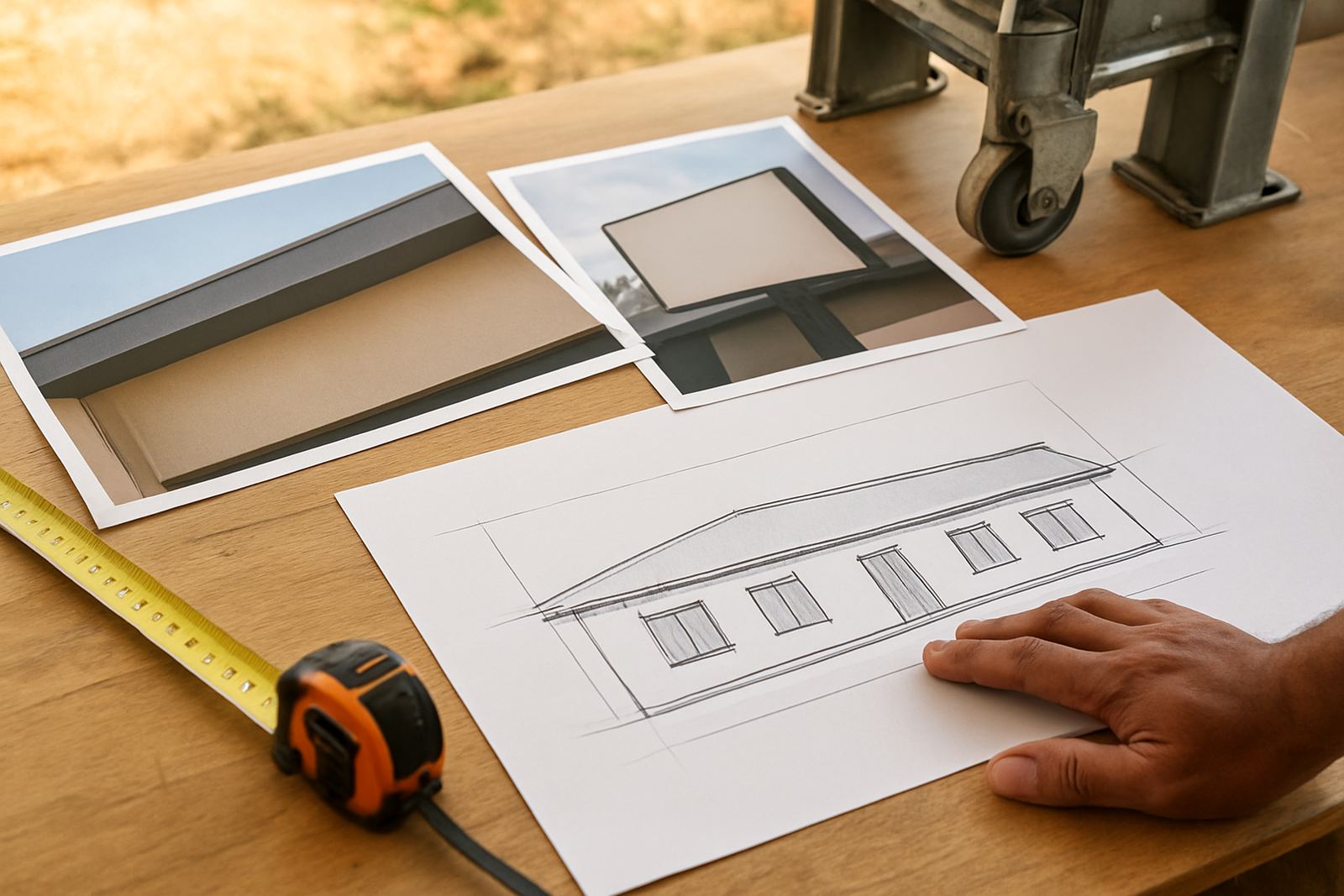
We often help clients choose based on how long the message must stay up, what the surface is made of, and whether the branding will need regular updates. For a short run promotion, vinyl often makes more sense. For a long term wall graphic on a prepared surface, paint can still be the better fit.
Where vinyl has the upper hand
Vinyl works well when you need sharp lettering, logos, wraps or layered colour on a smooth surface. It is a practical choice for windows, metal panels, painted walls and vehicles. It can be cut to shape, printed in full colour, or used as a solid block of colour for clean branding.
For retail rollouts and municipal notices, vinyl is often preferred because it can be applied faster and removed later with less damage than paint. That matters when branches are being rebranded, lease agreements change, or a campaign only runs for a few months.
- Good for windows, vans, bakkies and smooth walls
- Suitable for short term campaigns and seasonal messages
- Easy to update when prices, services or contact details change
- Can be installed after hours to reduce disruption
Vinyl also gives you more control over colour matching. If your branding uses several shades or small lettering, print and cut vinyl can keep the detail crisp. On glass, frosted or coloured film can create privacy and branding at the same time.
Where paint still earns its place
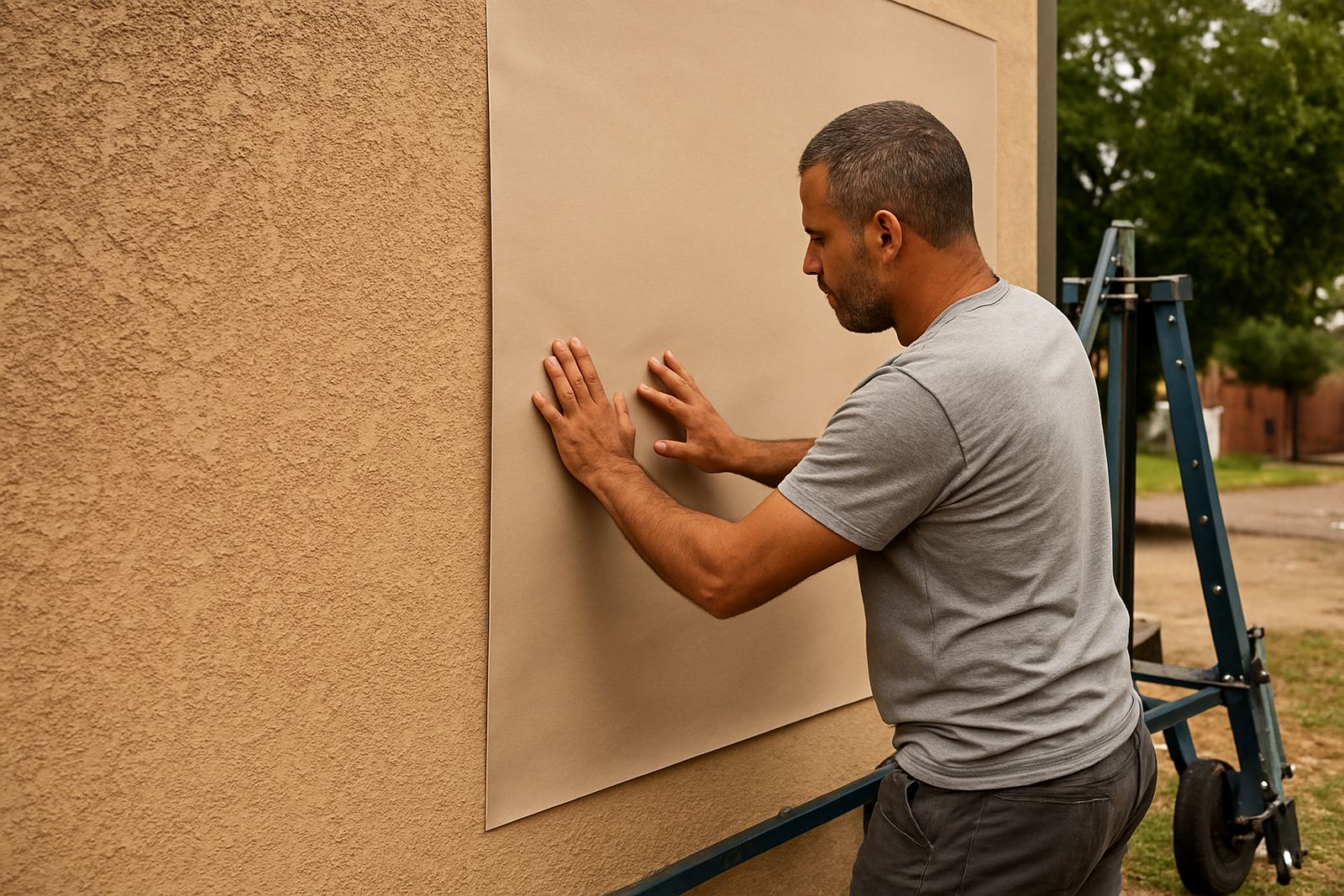
Paint is often the better answer when the graphic needs to feel part of the building itself. It suits long term wall branding, large simple lettering and areas where the surface is not perfectly smooth. On some brickwork and textured plaster, a painted finish can look more natural than a film thats trying to bridge every bump.
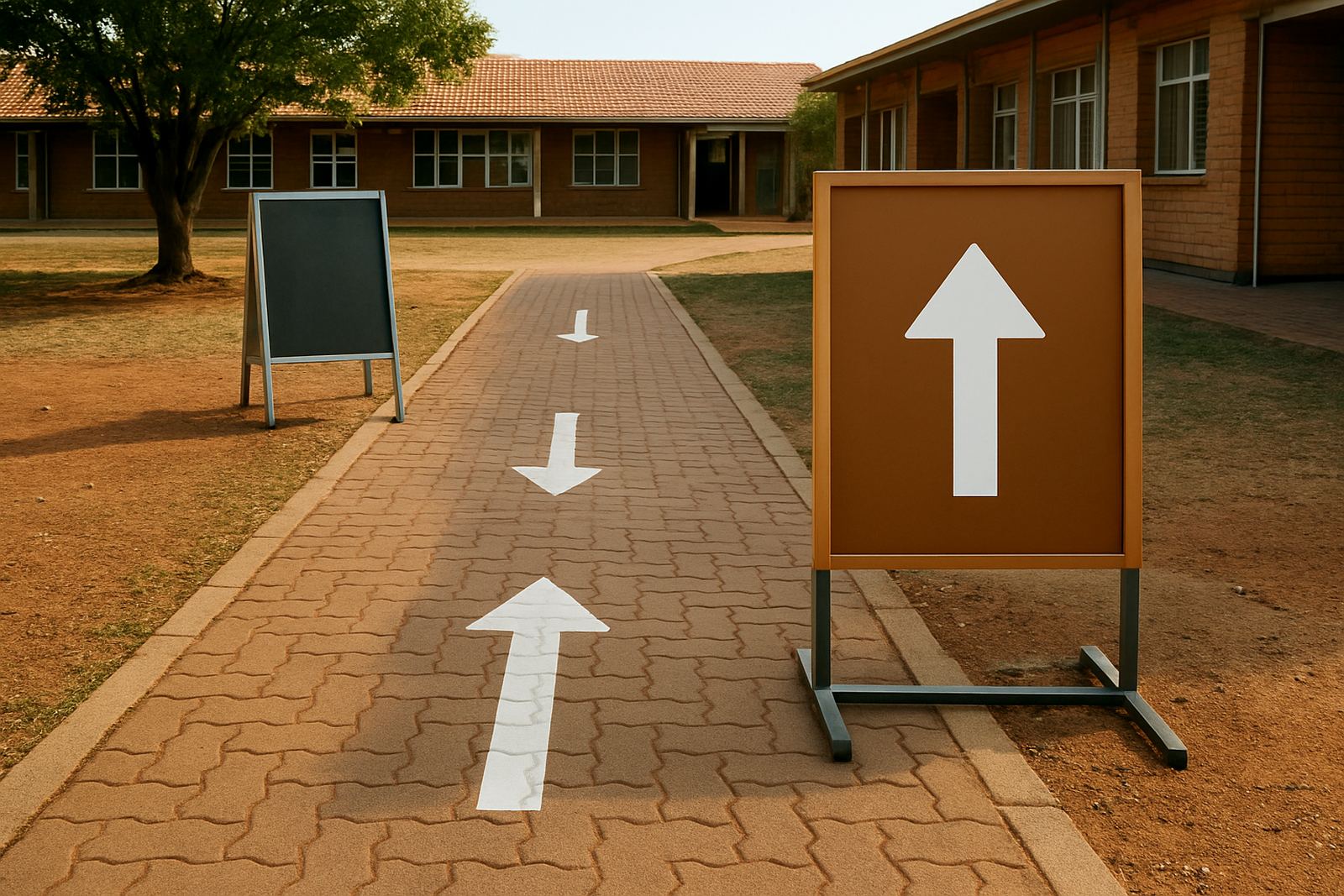
It also makes sense where there is no need for future removal. A municipal depot wall, a warehouse boundary, or a permanent directional marking on a site can be painted in a way that lasts for years with basic maintenance. When applied properly, paint can handle heat and UV exposure well, especially on sheltered surfaces.
- Best for permanent or near permanent marking
- Works well on textured plaster, concrete and masonry
- Useful for large simple shapes and lettering
- Can be more cost effective on very big areas
That said, paint needs proper surface prep and drying time. If the wall is damp, powdery or badly cracked, the finish may fail early. In coastal humidity or on surfaces exposed to morning condensation, preparation becomes even more important.
What lasts longer on vehicles and shopfronts
For vehicles, vinyl usually wins. Paint is permanent and can look good on a custom respray, but it is costly, time consuming and difficult to update. Vinyl wraps and cut graphics can be fitted around curves, handles and contours, and the vehicle can return to service much faster. If a bakkie or delivery van needs to carry changing promotion details, vinyl is the practical route.
On shopfronts, the answer depends on the material. Glass, aluminium cladding and smooth steel panels take vinyl well. Masonry and rough rendered walls may be better for paint, or for a mix of painted base colour with vinyl lettering. In many cases the best result comes from combining both methods rather than forcing one solution everywhere.
We often advise clients to think about future access too. If loading bays, gates or service doors need to be repainted regularly, vinyl can reduce repeated labour. If a brand wants a long term landmark wall that will not be updated for many years, paint may be the simpler route.
Cost, maintenance and the real working life of each option
Up front, paint can look cheaper on very large simple areas, but the total cost depends on prep, labour, access equipment and the number of coats required. Vinyl may cost more per square metre in some cases, but it can save time on installation and later changes. The real question is not only what is cheaper today, but what will be cheaper over the next few years.
Maintenance also differs. Vinyl needs careful cleaning and periodic checking for lifting edges, especially on vehicles that face road grime and sun. Painted graphics may need touch ups where the wall is hit, scraped or washed repeatedly. On sites with frequent updates, vinyl usually gives better flexibility. On fixed branding, paint can remain neat for a long time with less changeover work.
In Gauteng, dust and strong sun can age both finishes if the surface prep is poor. On exposed sites around Pretoria and Centurion, we pay close attention to adhesion, edge sealing and the type of substrate before recommending a finish. A rushed choice can lead to bubbling, flaking or colour fade that shows too soon.
A local example from Hartbeespoort to Pretoria
Consider a retailer with a branch in Pretoria and a delivery fleet that runs through Hartbeespoort, Akasia and Centurion. The shop windows may need promotional vinyl that can be replaced every few months, while the interior feature wall may suit painted branding that stays in place. The fleet, on the other hand, will almost always benefit from cut or printed vinyl because the vehicles move, park in the sun and need a consistent look across the whole team.
For a municipal site in Tshwane, the answer can be different again. Directional signs or safety markings may need durable paint in high wear zones, while temporary notices, event branding or campaign panels can be produced in vinyl for quick rollout. That mix keeps the site tidy and reduces down time during maintenance windows.
The key is matching the finish to the job. Not every wall, window or vehicle needs the same approach and a one size answer usually costs more in the end.