
Start With the Street, Not the Sign Shop
Before you choose colours or fonts, stand where customers will first see your premises. In Pretoria, Hartbeespoort and along busy routes into Centurion, a sign has to work against traffic speed, trees, overhead cables, neighbouring tenants and street poles. A frontage sign that looks neat on paper can be hidden by a canopy, a boom gate or parked vehicles once it goes up.
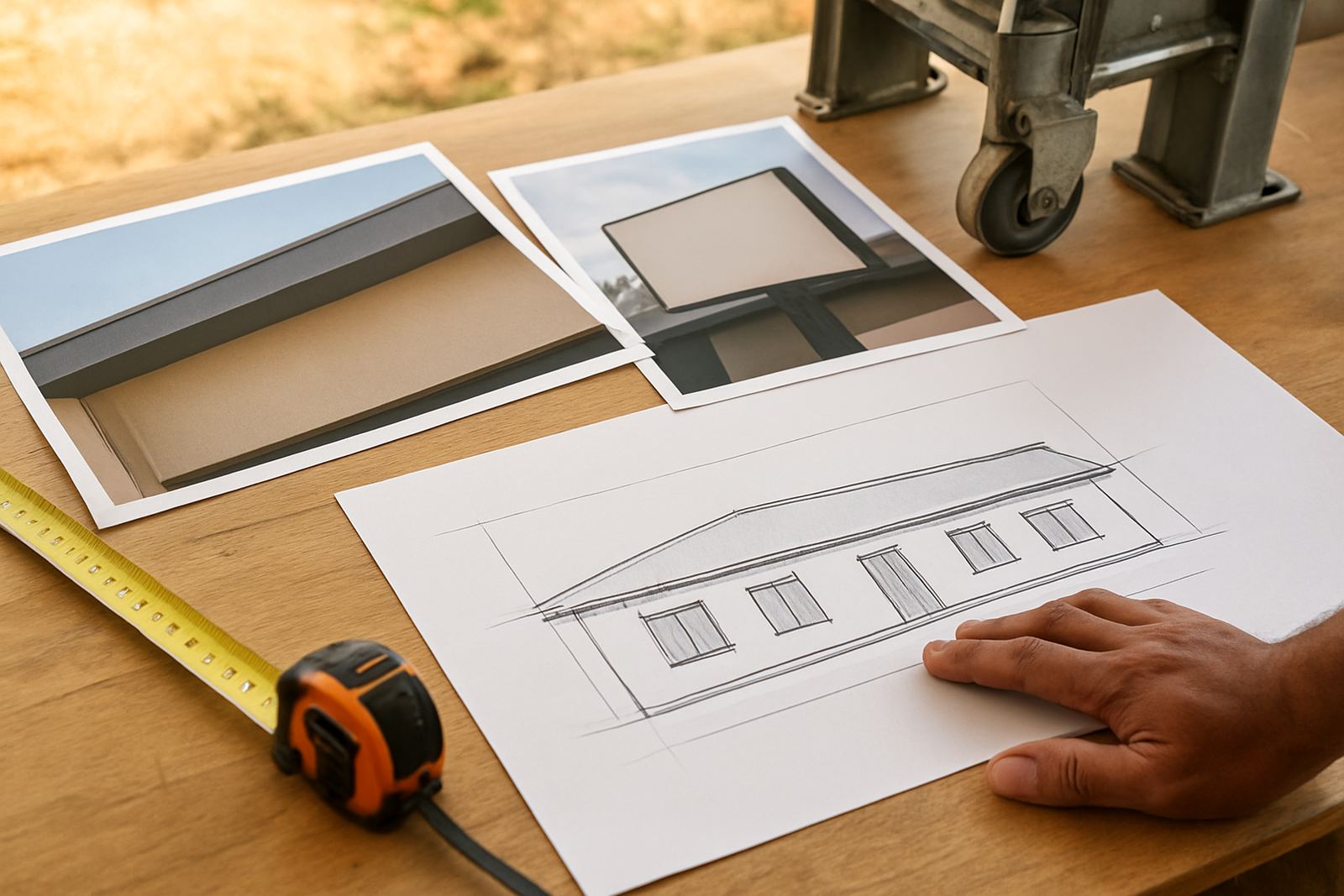
That is where a measured site check becomes important. Measure the available wall space, check the viewing angle from both directions, and note any shading from buildings or trees. If the frontage faces strong afternoon sun, the finish and illumination need to cope with heat and glare. In coastal conditions this is less of a factor, but inland dust and UV still punish weak materials quickly. A practical plan starts with what customers actually see, not what looks good in a presentation.
- Measure the exact width and height of the mounting area
- Check viewing distance from the road and from the parking area
- Note obstructions such as canopies, pipes, security cameras and signage by other tenants
- Confirm whether the wall can take the fixing method you need
Choose Materials That Match the Building and the Weather
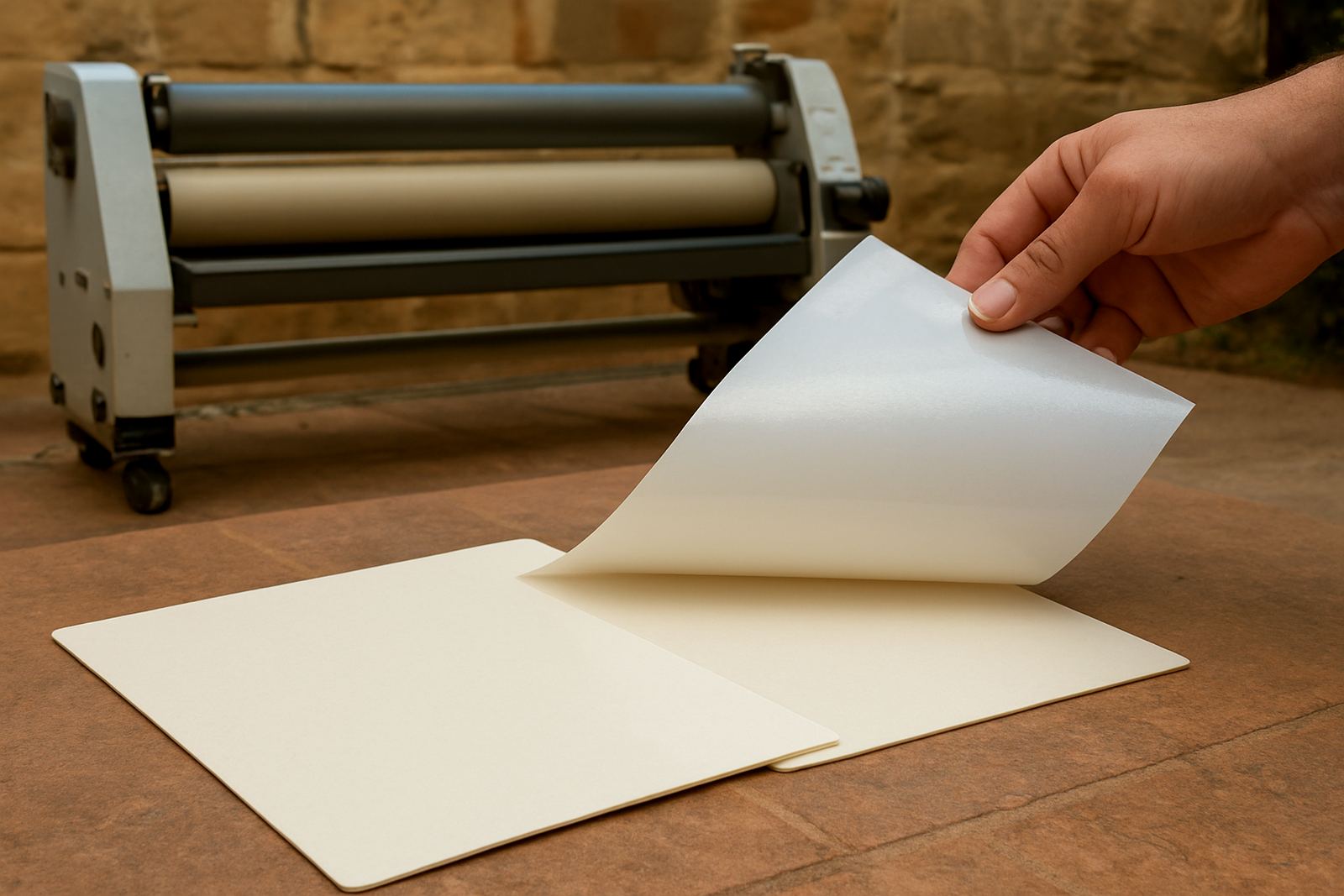
Not every shopfront needs the same build. A small office entrance in Akasia may only need a clean fabricated panel and vinyl graphics, while a retail frontage in a high-traffic area may need aluminium composite, channel lettering or a lightbox. The best choice depends on the building, the expected lifespan and how much maintenance the client is willing to handle.
For Pretoria and the greater Tshwane area, heat, dust and load-shedding all affect the final result. Materials must hold colour in harsh sun and still look smart when the lights come back on after a power cut. In Hartbeespoort, humidity and occasional rain can expose poor sealing and rust-prone fixings, especially on older masonry or steel structures. A sign that is meant to last should use proper primers, sealed edges and fixings suited to the wall type.
Think in terms of use, not just appearance. If the frontage includes trading hours, a logo and a short strapline, it may need several elements working together. If the logo is too small, the whole sign loses impact. If the material is too heavy for the structure, the installation becomes risky and costly.
- Aluminium composite for neat, durable panels
- Perspex or similar sheet material for illuminated faces
- Vinyl graphics for lettering, wayfinding and temporary branding
- Powder-coated or painted metal for exposed steel structures
Know What the Municipality and Landlord Will Ask For
Many delays happen before fabrication even starts. In Tshwane, Brits or on a multi-tenant site in Centurion, the landlord may need drawings, sizes and fixing details before approving anything. Some sites also have rules for sign height, projection from the wall and illumination. If the frontage sits on a main road, you may also need to consider road reserve requirements and visibility restrictions.
This is where permit assistance saves time. Good planning includes the paperwork, not just the artwork. The earlier you confirm the rules, the easier it is to avoid rework and extra cost. If a sign is too large for the frontage or too bright for the area, it can be held up even after manufacture is complete, which is a headache for any opening or relaunch.
Keep the approval pack simple and complete. A clear drawing, measurements, material description and fixing method usually makes the process easier for owners and site managers. For municipal work, being precise also helps when the sign must fit an existing structure or align with other public-facing branding on the same building.
Plan the Message so Customers Read It Fast
A shopfront sign is not a poster. It has one job: help people identify the business quickly. The strongest frontage signs are usually the simplest ones. When a motorist is moving past at 40 km/h, there is very little time to read a long company name, multiple slogans and several contact lines. The eye should find the brand first, then the rest.
Use the hierarchy carefully. The main name or logo should be the biggest element, followed by the core service or department name if needed. If your business trades from a busy street in Pretoria, avoid overcrowding the face with too much information. For many retailers and service points, a cleaner sign does better than one with too much copy. It also looks more professional from a distance.
Good artwork preparation helps here. Proportions, spacing and contrast all matter. A dark logo on a dark wall can disappear. Thin lettering can vanish when viewed from the opposite side of the road. If the frontage has glass, shutters or security gates, those surfaces should be considered before finalising the layout.
- Use a short, readable business name as the main line
- Limit extra wording to one supporting line where needed
- Make sure colours contrast well in full sun and at night
- Leave room for future updates such as new trading hours or division names
Lighting, Power and Night Visibility Need Early Decisions
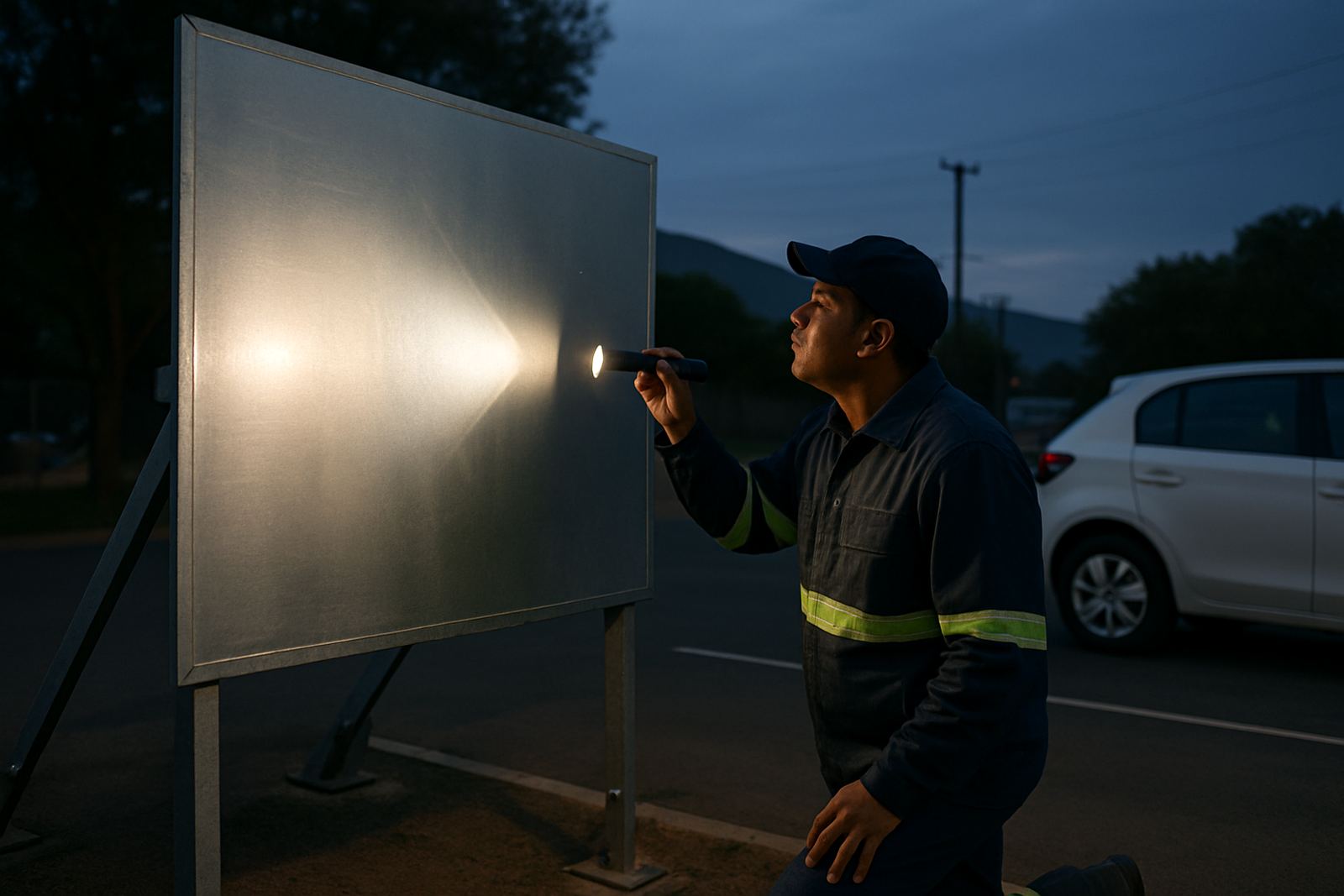
Many shopfronts look strong in daylight but weak after dark. If your business opens early, closes late or serves evening traffic, illumination should be part of the plan from day one. In South Africa, load-shedding means the lighting strategy cannot be an afterthought. A sign may need low-power LED illumination, proper electrical routing or a design that still reads clearly when the lights are off.
The location determines the best option. A restaurant frontage in Hartbeespoort may benefit from soft face lighting, while a retail unit in Rosslyn with busy evening traffic may need stronger visibility and cleaner contrast. Wiring must be installed neatly and safely, with access for maintenance. If the frontage is difficult to reach, a sign that needs constant ladder work becomes expensive to keep up.
Also consider how the sign will look in winter and summer. Shorter daylight hours, rain reflections and shadowing from trees can all change the way a sign reads. What looks fine at midday may disappear by 6 pm. A well planned sign takes those shifts into account before manufacture starts.
Installation Access Can Make or Break the Job
Even the best sign can be spoiled by poor installation planning. Before the team arrives, someone needs to confirm access, parking, working hours and whether other contractors will be on site. In busy centres across Pretoria and Centurion, installation windows are often limited, especially where customers are trading at the same time. That means the job must be staged properly, with the right equipment and enough crew on site.
For larger frontages, think about lifting points, ground conditions and the space needed for ladders or mobile access gear. If there is a security fence, planted area or uneven pavement, that changes the method. A neat installation also protects the building itself. Fixings should be placed carefully so the wall is not cracked or damaged, and all debris should be cleared once the work is done.
Our team handles the full process from planning to on-site fitting, which helps keep the artwork, fabrication and installation aligned. That matters when a client needs one or more branches completed to the same standard across Tshwane, Brits and surrounding areas. When each site is measured properly and the sign is built for that exact frontage, the result is cleaner and the job finishes faster.
A Pretoria Example: One Frontage, Three Decisions
A practical example helps. A business in Pretoria needed to replace an old faded panel on a road-facing frontage with something cleaner and easier to see from traffic approaching from both sides. The first decision was not the graphic style. It was the available wall space and the position of the canopy. Once measured, it became clear that a wide panel would work better than a tall one, because the upper area was partly hidden from the street.
The second decision was material. Because the building gets direct afternoon sun and the client wanted a longer service life, a durable panel with clean edge finishing was chosen rather than a lighter temporary option. The third decision was visibility after dark, since the shop trades late on certain days. That meant planning for illumination and safe electrical routing from the start.
That kind of sequence saves money. When the site, the rules and the viewing conditions are known early, the sign can be made to fit the actual frontage instead of forcing the frontage to fit the sign. It is the difference between a sign that just fills space and one that actually works for the business.
For business owners in Hartbeespoort, Pretoria, Centurion, Brits and the wider Gauteng area, that is the real value of proper sign planning: fewer surprises, cleaner results and a frontage that still looks right after the first summer, the first dust storm and the first power cut.