What We Check On Site Before Any Sign Is Made
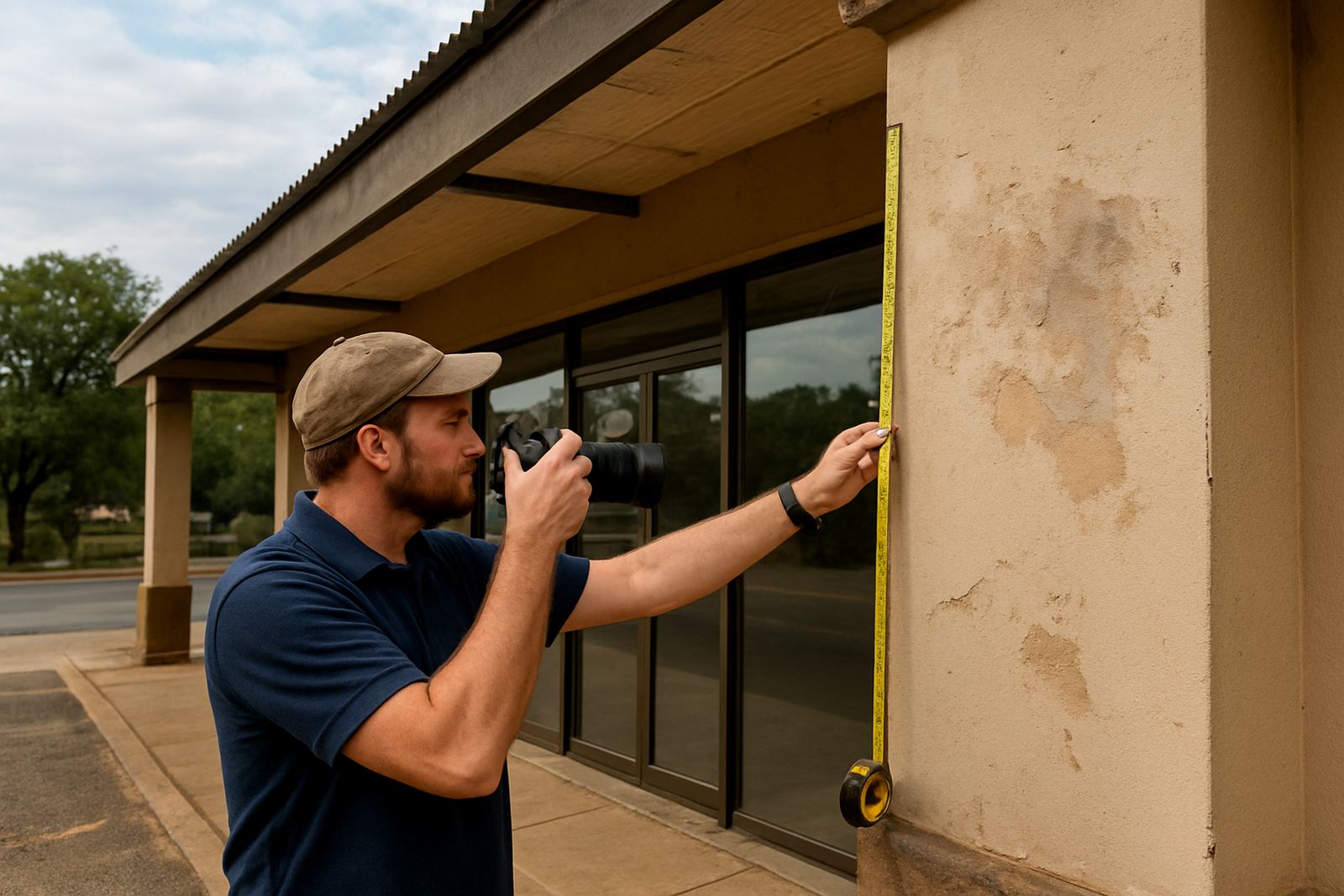
A site survey is the first step before we quote, fabricate or install. We visit the property, measure the sign position and check the wall, pole, roof, fascia, gantry or frame where the sign will go. That lets us confirm the real dimensions instead of working from a sketch or a photo taken from a distance. For retailers, complexes, factories and municipal sites, that detail matters because small errors can delay opening dates or lead to expensive rework.
We look at visibility from the road, turning angles, pedestrian approach, vehicle height clearance and where sunlight or shade may affect legibility. If the site is in Hartbeespoort, Pretoria, Centurion or Brits, we also take note of local conditions such as strong wind exposure, dust, coastal-like humidity in certain areas and load shedding risks where illuminated signs are involved. The aim is to know exactly what the site can handle before materials are selected.
- Physical dimensions and clearances for the sign area
- Mounting surface type and condition, including cracks, corrosion or loose cladding
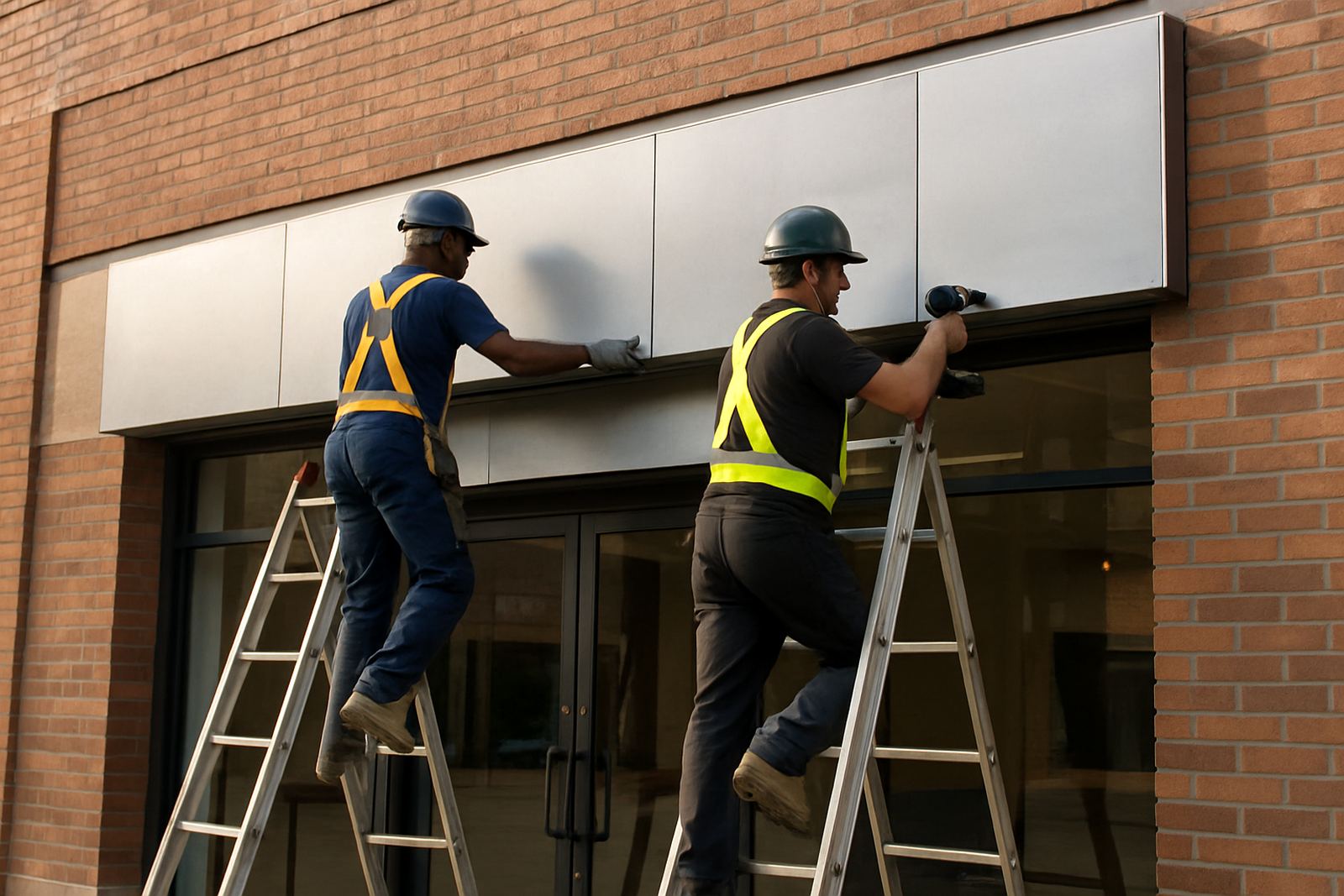
- Access points for ladders, cherry pickers or scaffold
- Power supply location for illuminated signage and timers
- Traffic, pedestrian and safety considerations during installation
How Our Survey Process Works From Booking To Report
Once your enquiry comes through the contact form, we schedule a visit and confirm what type of signage you need, whether it is a fascia sign, shopfront lettering, pylon, wayfinding, wall graphic or campaign rollout. Our survey team arrives with measuring tools, camera equipment and notes for the installation team. Where needed, we also record building restrictions, landlord requirements and access times so there are no surprises later.
The site visit is kept practical and efficient. In most cases we can complete a standard survey in under an hour, though larger sites, multi-branch rollouts or municipal locations may take longer. We then compile the measurements, photos and any observations needed for design and quoting. If the site needs permit support, we note that too so the correct paperwork can be prepared before manufacture starts.
- Initial brief and site address confirmation
- On-site measurement and access inspection
- Photo record of fixing points, surroundings and sight lines
- Survey notes for design, manufacture and installation
- Feedback on any urgent risks or site prep required
Details That Affect Mounting, Safety And Long-Term Wear
Every sign behaves differently depending on where it is fitted. A flat wall in Pretoria East is not the same as a roadside pole sign in Akasia or a rooftop sign in Centurion. During the survey we check the substrate and decide whether the fixing points need expansion bolts, chemical anchors, standoff brackets, welded frames or a lighter panel build. We also look at vibration, water runoff, rust risk and how rain or strong wind may affect the structure over time.
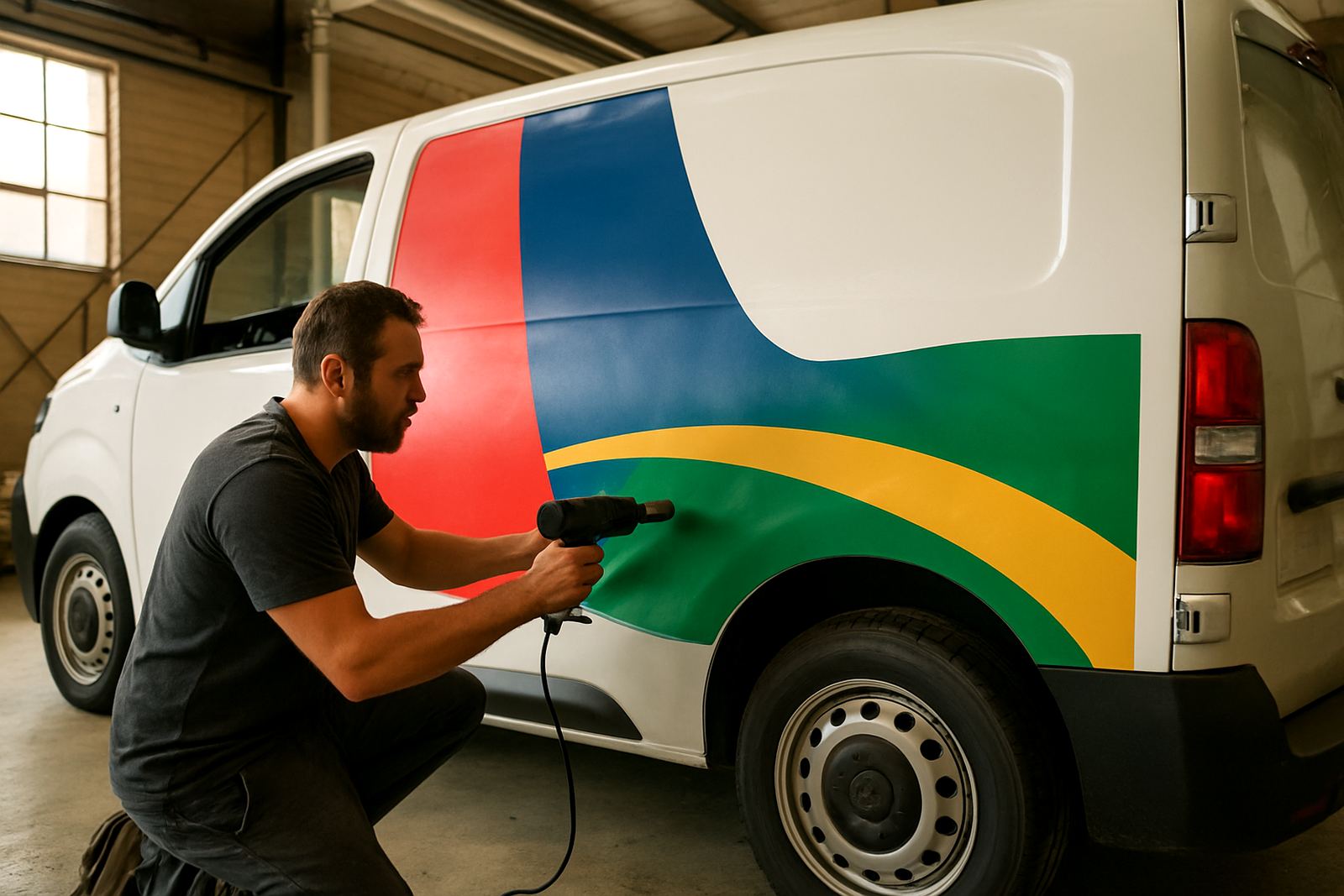
For vehicle-related branding, we can measure the relevant panels and confirm door handles, fuel caps, panel curves and fleet markings. For municipal and public-facing sites, we pay attention to by-law issues, sight lines and access for maintenance teams. This helps avoid signs that are too heavy, too high or badly positioned. It also means the artwork can be scaled correctly, with enough bleed, margin and legibility from the right viewing distance.
On some sites we find that the actual conditions are tighter than expected, especially where buildings were altered over time. A survey helps us spot those changes early so the sign can still fit properly and look neat.
Turnaround For Surveys, Quotes And Follow-Up Work
For most single-site jobs, we can arrange a survey within a few working days depending on location and site access. Pretoria, Tshwane, Centurion and Hartbeespoort are usually easier to schedule quickly, while outlying sites may need a bit more planning. Once the survey is done, we use it to prepare an accurate quotation and production plan. If artwork adjustments are needed, we flag them immediately so the job does not stall later in the process.
Where a rollout is involved, we can survey multiple branches in one programme and keep the measurements consistent across all locations. This is useful for retailers, fuel sites, offices, warehouses and municipal depots. It helps with standardising sign sizes, frame specs and installation methods across every branch.
- Single-site survey: often scheduled within a few working days
- Multi-site rollout: arranged in phases to suit access and opening hours
- Survey notes shared before fabrication starts
- Permit-related sites may need extra lead time for approvals
How Pricing Is Worked Out For Site Surveys
Survey pricing depends on the size of the site, the number of signs to be checked, travel distance and whether access equipment is needed. A small shopfront survey is priced differently from a full industrial park or a municipal rollout with several locations. If a site needs after-hours access, security clearance or multiple visits, that is also taken into account. We keep the pricing practical and aligned to the actual work required.
In many cases, the survey cost is folded into the overall signage project, especially when the job moves straight from measuring into design, manufacture and installation. Where a client only needs measurements and advice for planning, we can quote for the survey on its own. The point is to avoid guesswork. Spending a little upfront on proper measurements usually saves much more later by preventing waste, delays and on-site changes.
We are also careful with maintenance planning. If a sign is hard to reach, exposed to weather or installed over a busy roadway, the survey will show that and the quote can include the right access method from the start. That makes future servicing easier and safer.
Maintenance Checks After Installation Or During Rollouts
Site surveys are not only for new work. They are also useful when a sign has faded, shifted, started leaking or needs refurbishing. We can inspect existing signage at intervals and advise on whether the structure, face material, lighting or fixings need attention. In high-traffic or weather-exposed areas, a six-month or annual check is often sensible, especially where dust, sun and wind wear the sign faster than expected.
For retailers and brands with ongoing campaigns, this helps keep signs consistent across branches. If one site has movement in the frame, rust at the base or damaged vinyl, we can record it and recommend repair before it becomes a bigger problem. It is a practical way to keep your branding clean and legible without waiting for a failure.
Our Hartbeespoort base serves Pretoria and surrounding areas, so we can support both one-off inspections and planned maintenance schedules for businesses operating across Gauteng. Whether the job is a new sign or an older one that needs checking, the survey gives you a clear picture of what is happening on site.
Key facts
| Survey types | Shopfronts, fascias, pylon signs, wall signs, wayfinding, vehicle branding and rollout sites |
|---|---|
| Typical dimensions recorded | Width, height, depth, clearance, viewing distance and fixing points |
| Access conditions checked | Roof access, ladder space, scaffold need, parking, security and working hours |
| File outputs | Measured notes, site photos, fixing observations and installation comments |
| Turnaround | Standard surveys usually scheduled within a few working days, depending on site access |
| Maintenance intervals | Recommended every 6 to 12 months for exposed or high-use signage |