
Project brief for an active aviation site
The client needed a set of large identification signs and directional markers for a hangar and support area in Wonderboom, Pretoria. The site serves aircraft movement, staff access and visiting contractors, so every sign had to do two jobs at once: guide people quickly and stay easy to read from a vehicle or on foot.
We started with a site survey and a brief discussion on traffic flow, mounting points and visibility. Because the facility was active, we could not block access or leave loose materials lying around. The signage also had to suit an industrial aviation setting, where clean lines and clear lettering matter more than decorative detail.
- Client type: aviation-related facility
- Location: Wonderboom, Pretoria
- Use case: hangar identification and directional guidance
- Environment: sun exposure, wind, dust and controlled access areas
Layout, visibility and compliance considerations
For this project, the main concern was legibility at distance. Aircraft support sites often have multiple entries, hardstand areas and service doors, so directional markers need to be simple and direct. We planned the sign positions around approach lines, turning points and the areas where drivers naturally slow down.
We also allowed for local site rules and basic permit checks, since certain installations on commercial premises need to be placed carefully and fixed securely. The layouts were set out to avoid confusion between staff parking, delivery access and hangar entry points. In practice, that meant larger type, stronger contrast and fewer words on each face.
- High-contrast colour use for daylight reading
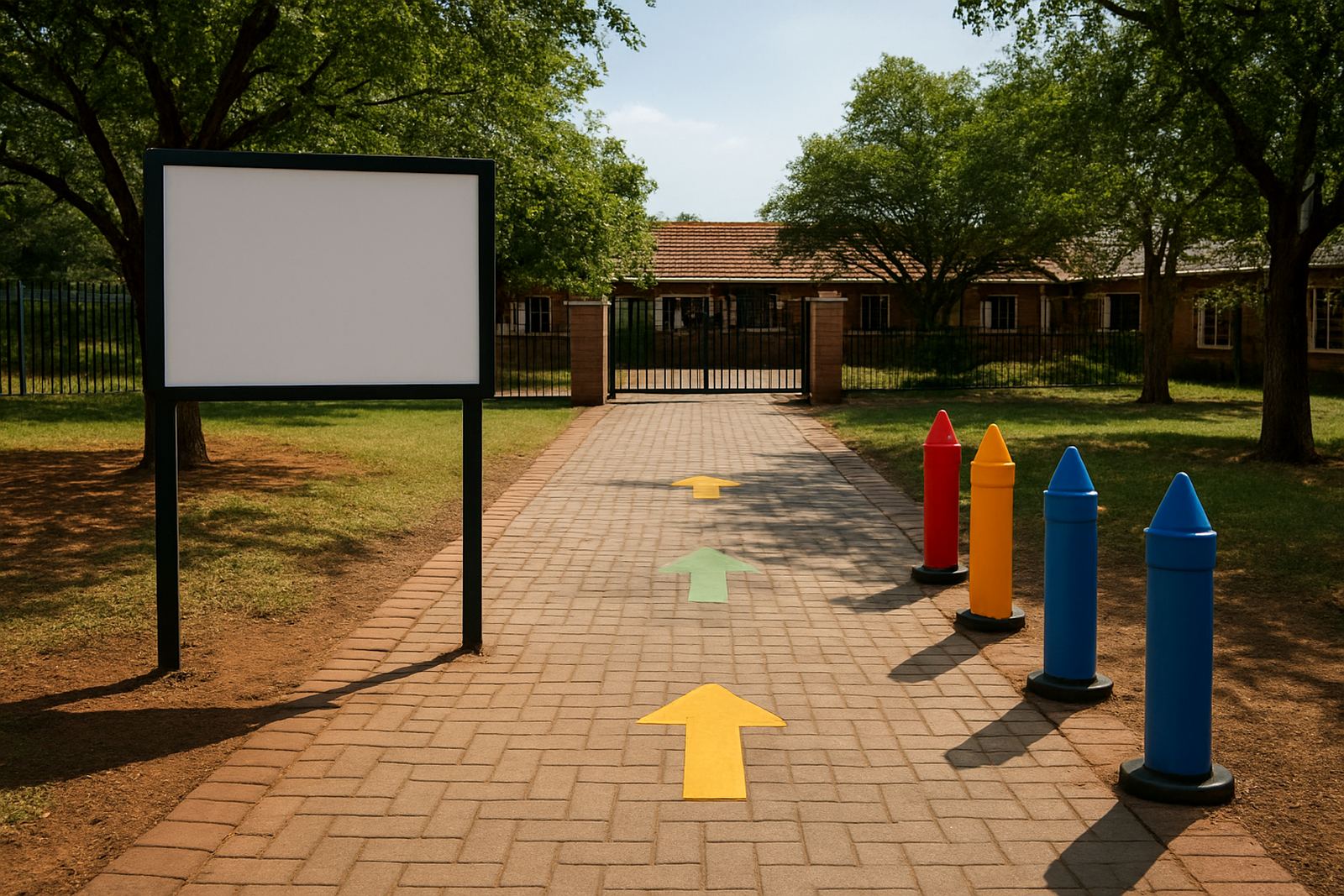
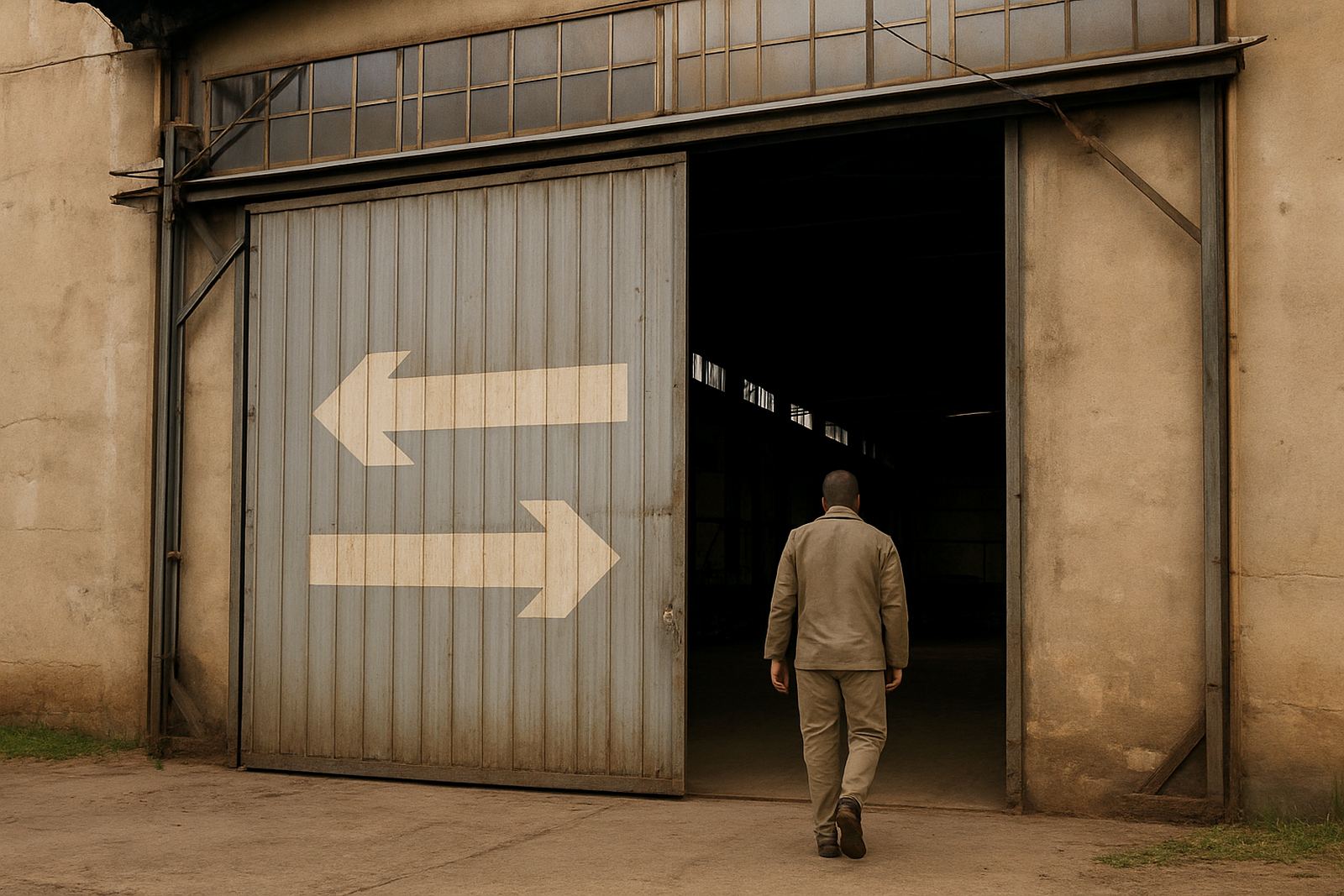
- Simple arrow systems for fast wayfinding
- Mounting heights chosen for vehicle and pedestrian visibility
- Placement checked against access control and site movement
What we manufactured in-house
Our team produced the signs in-house from artwork through to final assembly. Ayanda handled the artwork preparation, while Riaan and Retief managed fabrication and finishing. The main identification panels were made as durable flat signs with crisp cut lettering and printed elements where needed. Directional markers were kept compact but still easy to spot from a distance.
The materials were selected for outdoor exposure in Pretoria conditions, where strong summer sun and dust can shorten the life of weak signage. Fixings were matched to the mounting surfaces so the panels would stay secure and remain level. We kept the finish practical rather than flashy, which suits aviation sites better and makes maintenance easier later on.
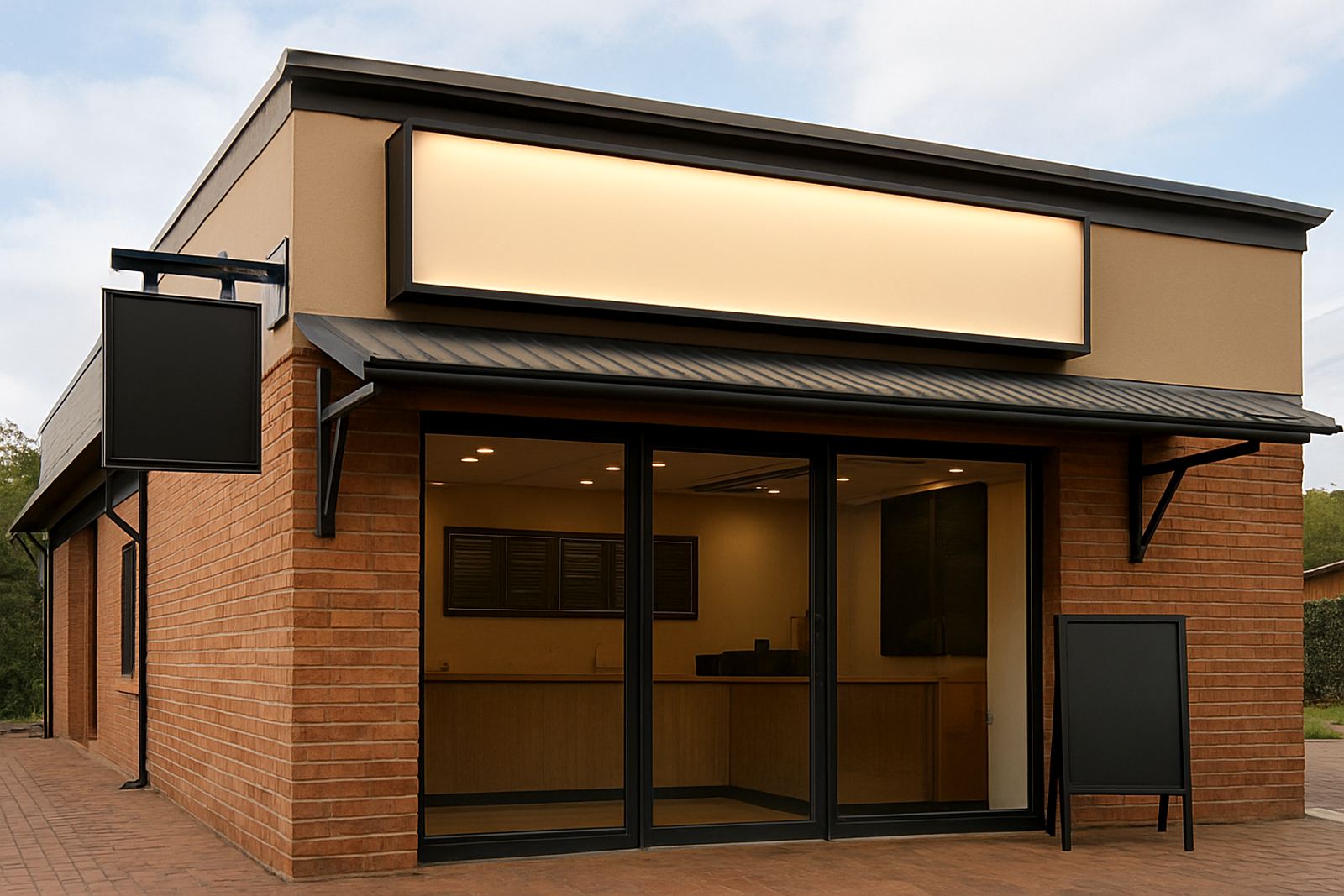
- Large identification panels for the main hangar areas
- Directional markers for vehicle and staff movement
- Outdoor-grade printed and cut graphic elements
- Corrosion-resistant fixings for long term outdoor use
On-site installation without interrupting operations
Kagiso led the installation team on site, with careful planning around working hours and access windows. The site could not afford unnecessary delays, so we installed in a sequence that kept routes open and reduced disruption to day-to-day operations. Revasha coordinated with the client on timing and sign-off, and Lerato kept the job moving through each stage.
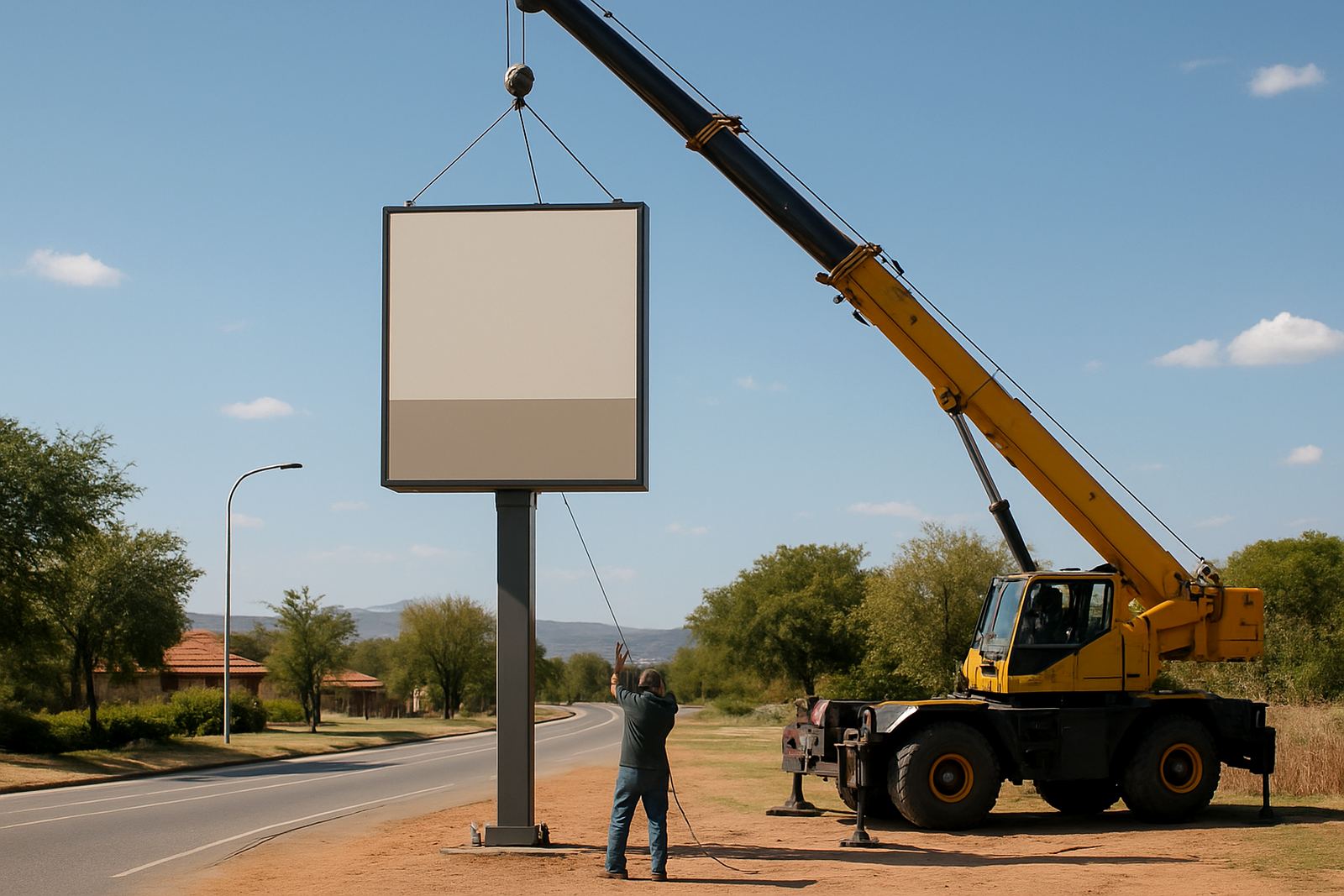
Installation involved measuring, fixing and checking alignment on each panel before final tightening. The team also cleaned up as they went, which matters on an operational site where loose offcuts or fasteners can become a safety problem. A neat finish is not just about appearance, it also helps with long-term serviceability and makes later maintenance much simpler.
- Installation carried out in staged sections
- Access routes kept clear during the works
- Final alignment checked before handover
- Site cleaned and secured after each phase
Timeline, handover and results
The project ran over three weeks from survey to completion. Week one covered the site visit, measurements and sign layouts. Week two was production, finishing and pre-install checks. Week three covered delivery, installation and final corrections on site. That schedule worked well for a live facility because it allowed enough time for accuracy without dragging the job out.
The finished result gave the client clearer navigation, stronger identity at key points and a more organised look at the hangar entrance. Staff and visitors could find the right areas faster, which cut down on confusion at access points. The signs also gave the facility a neater and more professional finish, something that is important when the public, contractors and aviation personnel all use the same space.
What worked best was the combination of good planning and practical fabrication. On a site like this, the signs must be easy to read, easy to maintain and fixed properly the first time. That is exactly how we approached it.
What We’d Repeat on Another Hangar Sign Site
If we were doing a similar aviation signage job again, we would keep the same process: start with a site survey, confirm traffic patterns, then set the sign positions before production begins. That saves time and avoids rework later. We would also keep the message count low on each sign, since too much wording can slow people down at entry points.
For future hangar or airside work, we would recommend the same practical approach to materials and mounting. In Pretoria conditions, signs need to handle heat, glare and dust, while staying readable after months of weather exposure. A clear plan, a tidy install and proper fixings make all the difference.
- Survey first, then confirm exact mounting positions
- Keep wording short and directional
- Use outdoor materials suited to sun and wind
- Plan access around active site operations
Key facts
| Project type | Hangar identification and directional signage |
|---|---|
| Location | Wonderboom, Pretoria |
| Timeline | 3 weeks from survey to handover |
| Services used | Site surveys, graphic design, sign fabrication, sign installation, permit assistance |
| Sign application | Outdoor aviation facility wayfinding and identification |
| Company lead | Hendrik Mokoena, with design, production and installation support from the HM Graphics & Signs team |