
Why wayfinding cannot stay the same for long
A mall is never fixed for very long. Tenants change, temporary kiosks appear, entrances get rerouted for repairs and traffic patterns shift with school holidays, month end trading and festive season pressure. If the directory and directional signs stay unchanged, shoppers start guessing. That costs time and it can send foot traffic past the wrong stores.
Good wayfinding is not only about appearance. It helps people move from parking to entrance, from entrance to retailer, and from one level to another without asking for help every few metres. In larger centres around Pretoria, Centurion and Brits, that becomes even more important because visitors may enter from different sides of the property and use different parking areas depending on the time of day.
Signs that need a review before shoppers complain
Some centres wait until complaints start coming in. It is better to inspect the system regularly and spot problems early. A few clear warning signs tell you it is time for an update.
- Tenants have moved, changed names or expanded into adjacent units.
- Parking signs no longer match the actual parking flow or entrance route.
- Directories still show closed shops or old store numbers.
- Temporary signs have become permanent because no one removed them.
- Lighting is poor and printed panels are hard to read after load-shedding.
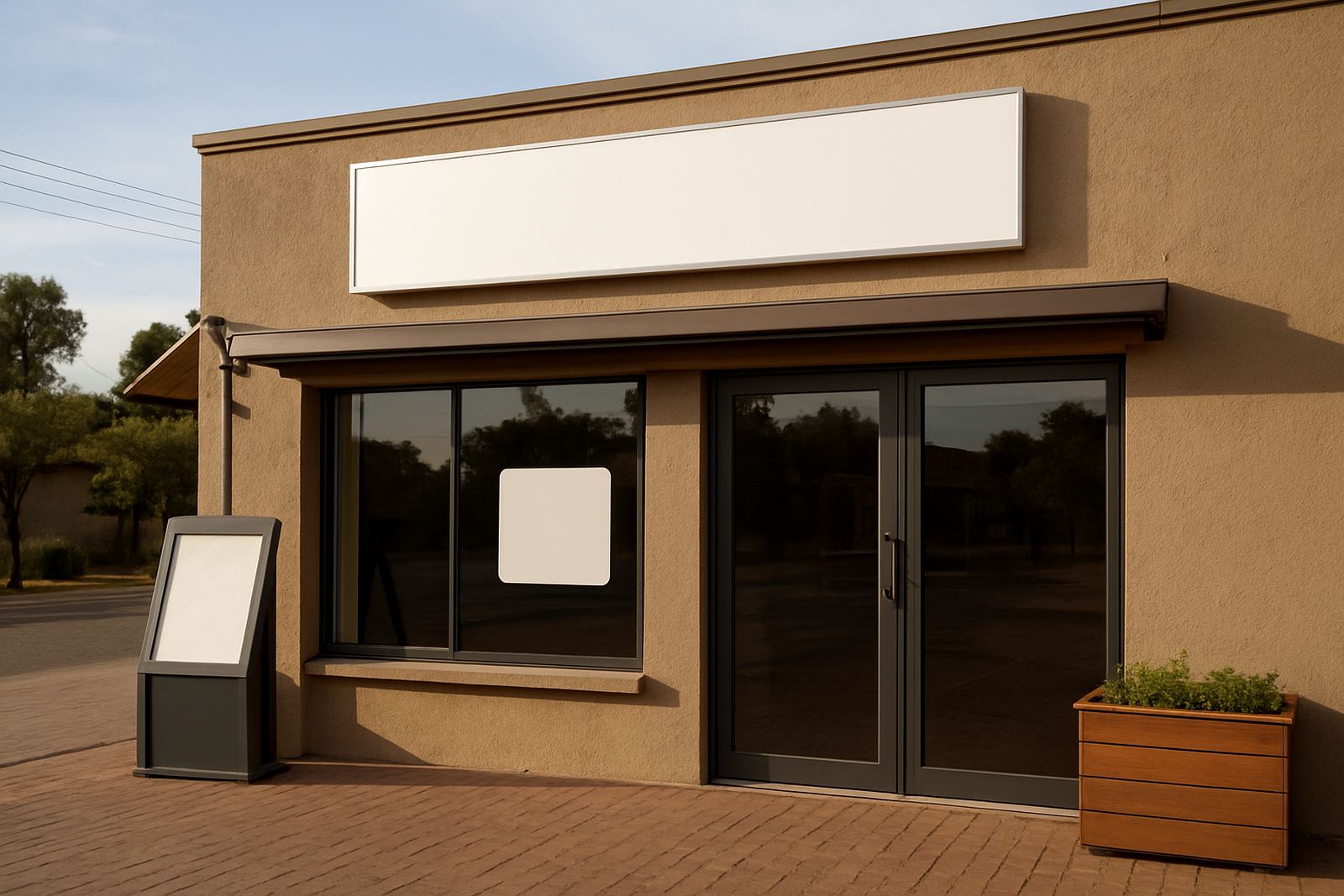
- Outdoor signs have faded, warped or lifted at the edges because of sun and wind.
In North West and Gauteng, dust and strong sun can age signage quickly. On the other side, enclosed centres often deal with scuffed panels, sticker damage and poor visibility caused by reflected light. A proper check includes both the content and the physical condition of the signs.
What a practical wayfinding audit should cover
A useful review starts on site. It is not enough to look at a plan on paper. You need to walk the route a shopper would take, from the road edge or parking bay all the way to the store entrance. That is how small problems become obvious.
- Entry points, parking rows and pedestrian crossings.
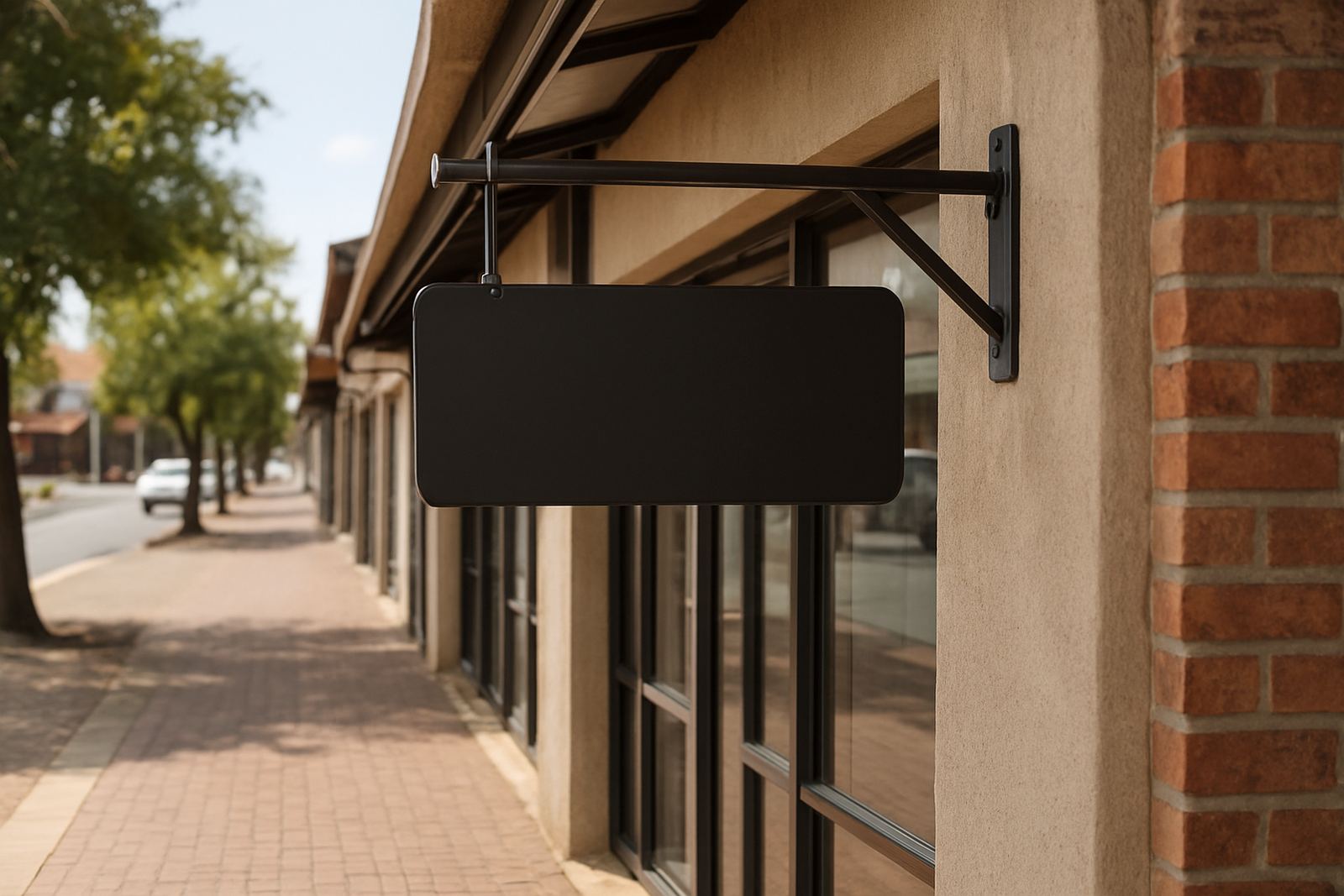
- Main directory boards, blade signs and suspended signs.
- Toilet, ATM, loading bay and emergency route markers.
- Accessibility points, ramps and lift locations.
- Tenancy listings and floor numbers across all levels.
- Visibility at day and night, including after power interruptions.
This is also the stage to check materials. Indoor directories may need cleaner vinyl graphics or new panels, while outdoor signs may need weather resistant finishes and stronger fixing methods. For coastal humidity or windy sites, the choice of substrate and installation method matters just as much as the design.
How design updates keep the centre easier to use
Many wayfinding problems come from clutter. Too many fonts, too many colours and too many competing signs make a mall harder to navigate. A clean system works better because shoppers recognise patterns faster. The same colour coding can be used across entrances, parking levels and directories so people know where they are at a glance.
Updates also help centres respond to changing use. A mall that once relied on anchor stores may now have more service tenants, food outlets or pop-up trading areas. Directional signs should reflect how people actually move, not how they moved five years ago. Small changes can make a large difference, especially where visitors are in a hurry or carrying children and shopping bags.
For managers, the best result is fewer interruptions and fewer queries at the information point. For retailers, it means better visibility and a fairer share of passing foot traffic. For shoppers, it means less frustration and fewer wrong turns.
A local example from a busy Gauteng centre
At a busy centre near Pretoria, a planned refresh was needed after several tenants changed and a section of parking was reconfigured. The old directory still listed outdated shop numbers and one entrance sign pointed visitors toward a route that was no longer the main access point. Shoppers entering from the upper parking area kept ending up at the wrong corridor.
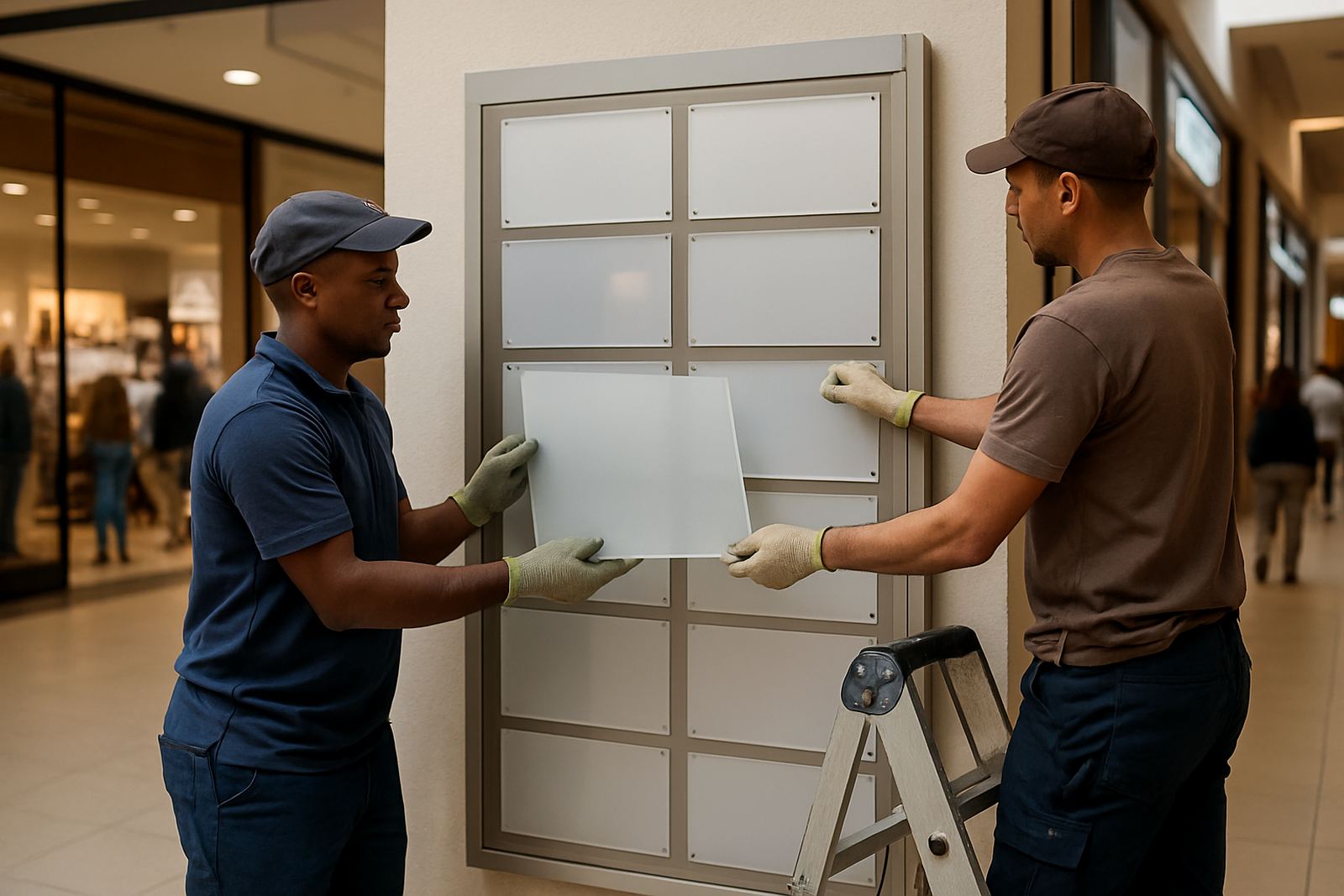
The update involved a site survey, new artwork setup, fresh directory panels and corrected directional signs for the parking and walkways. Temporary boards were also replaced with permanent signage so the centre did not have to rely on staff giving directions all day. Once the new system was in place, staff reported fewer lost visitors and tenants noticed better movement past their frontages.
That kind of work is common in Tshwane, Centurion and Hartbeespoort where centres need to keep trading while improvements take place. Good planning reduces disruption and allows the installation team to work in phases where needed.
Planning updates around trading hours and compliance
Shopping centres cannot afford long interruptions, so timing matters. Updates are usually best handled after hours, early in the morning or during quieter trading periods. That allows installers to work safely while keeping access open for tenants and cleaners. In centres with strict landlord rules or municipal requirements, permit assistance may also be needed before certain signs are changed or mounted.
Managers should also think about maintenance from the start. A sign system is easier to keep current when panels can be changed without replacing the full structure. That saves money and makes future tenant changes quicker to handle. It also helps during phased refurbishments, when some areas are open and others are still being upgraded.
Regular maintenance checks should cover loose fixings, faded print, damaged vinyl and any panel that has been hit by trolleys or delivery vehicles. Small repairs done early are cheaper than full replacements later.
Keeping mall signs current without creating downtime
Wayfinding updates work best when they are planned as part of the centre’s normal operations. That means reviewing the signage every time a tenant mix changes, a parking layout shifts or a major event is coming up. It also means keeping a record of the sign locations, sizes and artwork files so replacements can be done quickly.
For shopping centres in Hartbeespoort, Pretoria, Akasia, Rosslyn, Soshanguve, Brits and surrounding Gauteng areas, the goal is the same: clear signs, correct information and easy movement through the property. When the system is current, shoppers spend less time looking for directions and more time shopping. That is good for the centre, the tenants and the customer experience all round.
If a directory, entrance sign or parking guide is due for review, the first step is a proper site inspection and a practical plan for the changes. That is usually where the clearest fixes begin.