
Start With the Site Before You Talk About Size
The first question is not how big the sign should be, but where it will stand and what it needs to beat. A pylon sign for a busy road in Pretoria has different demands to one at a retail entrance in Hartbeespoort or a corner site in Brits. Traffic speed, turning distance, verge width and nearby trees all affect what works and what does not.
A proper site survey should look at sight lines from both directions, the slope of the ground, underground services and access for installation. If the sign sits too close to the road, drivers may not have enough time to read it. If it is tucked behind a wall or a row of trees, the height becomes a waste of money. Good placement often matters more than extra square metres of face area.
In municipal areas, by-laws can also shape the final position. Setbacks, servitudes and visibility rules may apply, and some sites need approval before work starts. It is worth sorting this out early rather than moving a finished sign later at extra cost.
Height, Proportions and Readability Go Together
People often ask for the tallest sign possible, but a pylon sign needs balance. Too low and it disappears behind hedges, trucks or boundary walls. Too high and the structure can look out of place, especially on smaller commercial sites. The aim is to match the scale of the property and the viewing distance.
Readability depends on more than height. Letter size, contrast, spacing and the number of messages on the face all affect whether a passing driver can take in the content in a second or two. If the sign has too much copy it becomes hard to read at speed, and that defeats the point.
For roadside visibility, clean artwork and simple wording usually work best. A pylon sign near the N4 or in a busy Gauteng corridor should be legible from a moving vehicle, not just from the pavement. In practical terms, fewer words and stronger contrast usually give better value than squeezing in every service line.
- Keep the main message short and direct.
- Use large lettering with enough contrast against the background.
- Allow for viewing distance from approaching traffic.
- Avoid cluttered layouts with too many logos or taglines.
Foundation, Structure and Wind Load Must Be Planned Properly
What people see is only the outer shell. The real work is in the structure and the foundation below ground. A freestanding sign has to handle wind pressure, soil conditions and long-term movement. In open areas around Tshwane or near elevated roads, the loading can be stronger than clients expect.
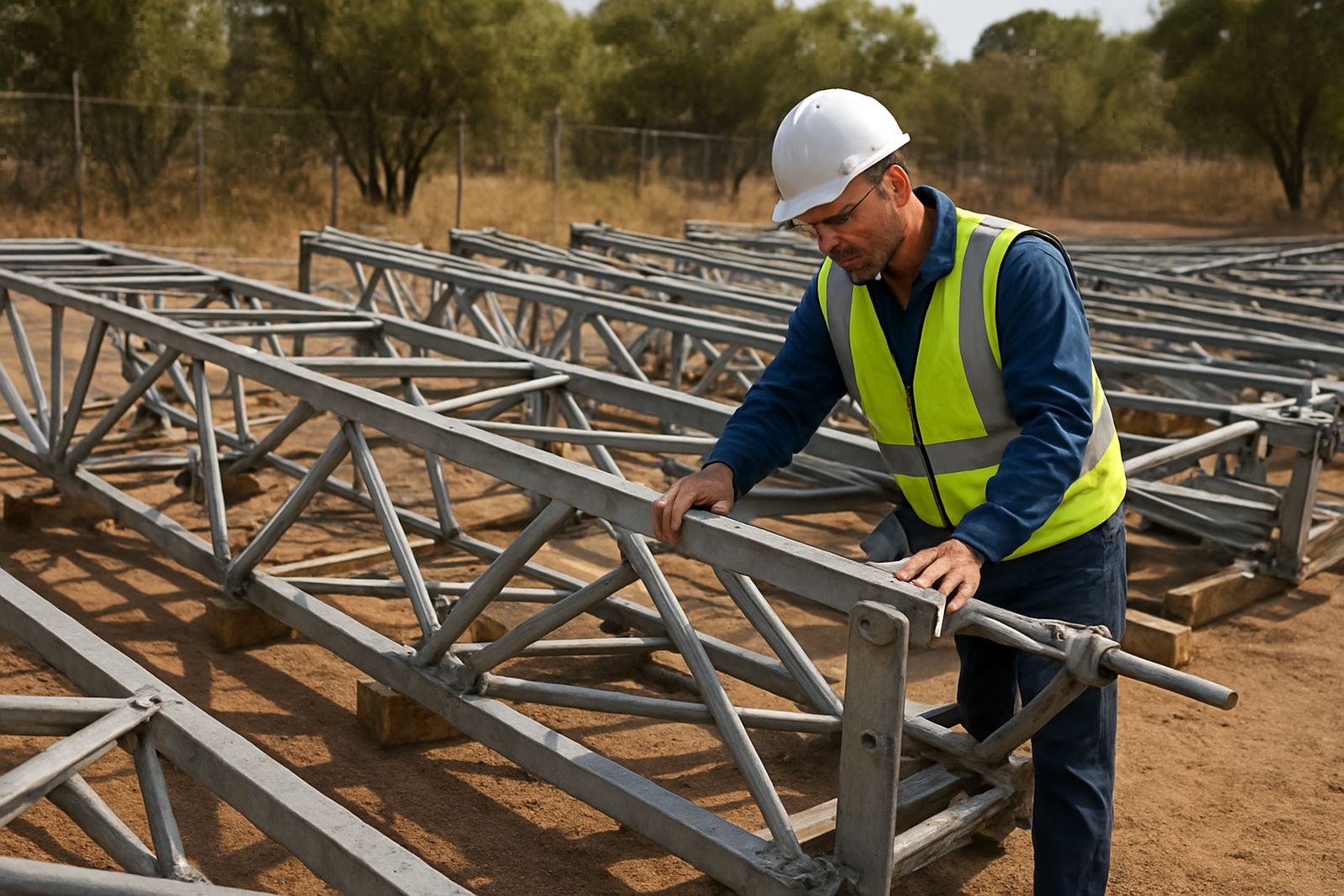
The base size, steel thickness and anchoring method should be matched to the sign height and the site conditions. Sandy soil, soft fill, old service trenches or waterlogged ground can all affect stability. If the foundation is underdone, the sign may lean, crack or loosen over time.
For larger pylon signs, access for construction matters too. If a crane or lift truck cannot reach the position, installation becomes more complicated and costlier. It is better to design for the site you have, not the site you wish you had.
- Check soil and ground conditions before final fabrication.
- Allow for wind load and local weather exposure.
- Make sure there is access for excavation and erection.
- Plan for future maintenance access around the base.
Materials Should Suit Gauteng Sun, Rain and Dust
Materials make a big difference to how long the sign stays presentable. In Gauteng, strong sun can fade graphics while dust and road grime build up quickly on exposed surfaces. In Hartbeespoort, moisture and humidity can also be a factor, especially on metal parts that are not properly sealed.
Steel frames, cladding panels, aluminium trims and quality vinyl all have their place, but they need the right finish. Proper priming, coating and edge sealing help reduce rust and lifting. If a sign will face morning sun on one side and heavy afternoon glare on the other, the artwork should be planned with that in mind.
Power cuts also matter. If the sign includes illumination, think about how it behaves during load-shedding and after dark. A lit pylon with poorly planned wiring or weak internal access becomes a maintenance problem very quickly. Good routing and safe access panels save time later and reduce callouts.
Illumination, Branding and Maintenance Need to Be Considered Early
Many pylon signs are not just markers, they are part of the brand experience. That means the colour, finish and lighting need to align with the rest of the site branding. A neat, well-lit sign at a retail centre gives a far better impression than a structure that flickers or shows patchy colour after a few seasons.
If the sign includes internal lighting or halo effects, the electrician, fabricator and installer should work from the same plan. The access points must be practical, the components must be serviceable and the electrical layout must suit the site conditions. On busy municipal or retail sites, maintenance windows can be limited, so simplicity is useful.
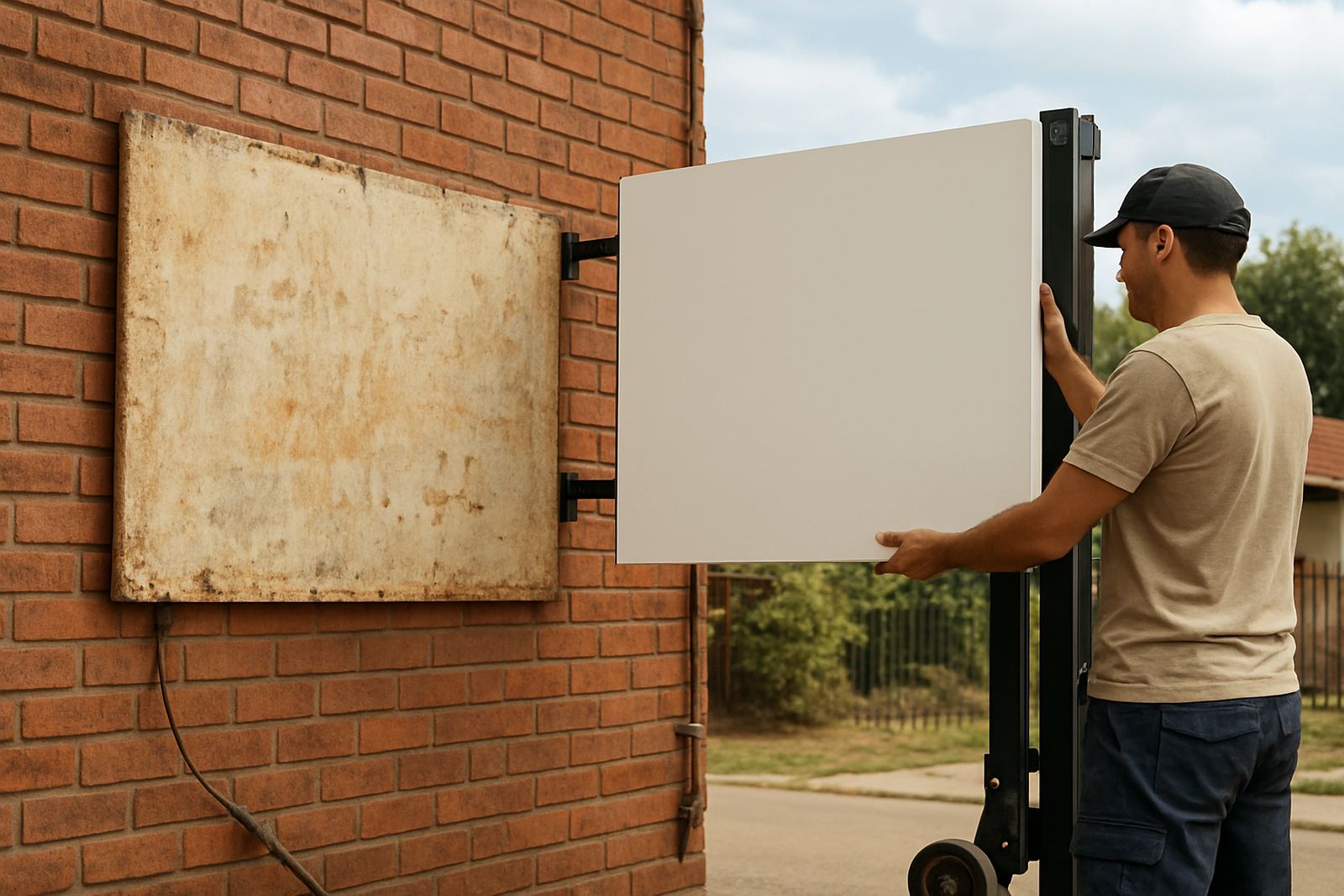
Think about what happens after installation too. A pylon sign should be easy to clean, inspect and repair. Panels that can be replaced individually are usually better than structures that require full strip-down work. That saves time when there is storm damage or a face needs updating for a new campaign.
Permits, Safety and Site Rules Can Delay the Job
Even the best-looking pylon sign can stall if the paperwork is not handled properly. Depending on the site, permit requirements may cover size, location, visibility to roads and compliance with local rules. On public-facing projects, especially along main routes in Pretoria, Centurion or Tshwane, this can take time.
Safety during installation matters just as much. Traffic control, access planning and working at height all need to be managed properly. A sign may look simple from the road, but the actual install often involves lifting gear, temporary barriers and careful coordination with site staff. That is where experience saves money and keeps the work moving.
For municipal or commercial clients, a clear process helps avoid delays. Site surveys, artwork approval, fabrication and installation should be sequenced in a sensible order, with each step checked before the next one starts.
- Confirm any permit or by-law requirements before fabrication begins.
- Plan installation access, road safety and lifting equipment in advance.
- Allow time for approvals if the site fronts a busy public road.
- Keep a maintenance plan ready from the start, not after the sign is up.
A Local Example: A Retail Site on the Pretoria to Brits Route
Consider a retail site on a busy route between Pretoria and Brits. Drivers approach from both directions, traffic speeds vary and the entrance sits close to a corner. A pylon sign in that location has to do several jobs at once: announce the site early, stay readable at speed and hold up in full sun all year.
In that case, a moderate height, strong contrast and a simple message usually work better than a very tall structure packed with text. The foundation must cope with the ground conditions, while the face should be designed for easy maintenance after dust, rain and the occasional storm. If the centre also wants illuminated branding, the internal layout must allow safe servicing without removing the whole sign.
This is the kind of practical thinking that keeps a pylon sign useful long after the opening day. The right choices are not always the flashiest ones, but they are the ones that still look good after several summers and a few load-shedding seasons.