
Why privacy film makes sense in busy street-facing spaces
In Hartbeespoort, Pretoria and the wider Tshwane area, many premises sit close to pavements, parking bays or busy roads. That means passers-by can see straight into waiting rooms, consultation spaces, reception counters and boardrooms. Window privacy film gives you control over that visibility without having to shut the place off with blinds all day.
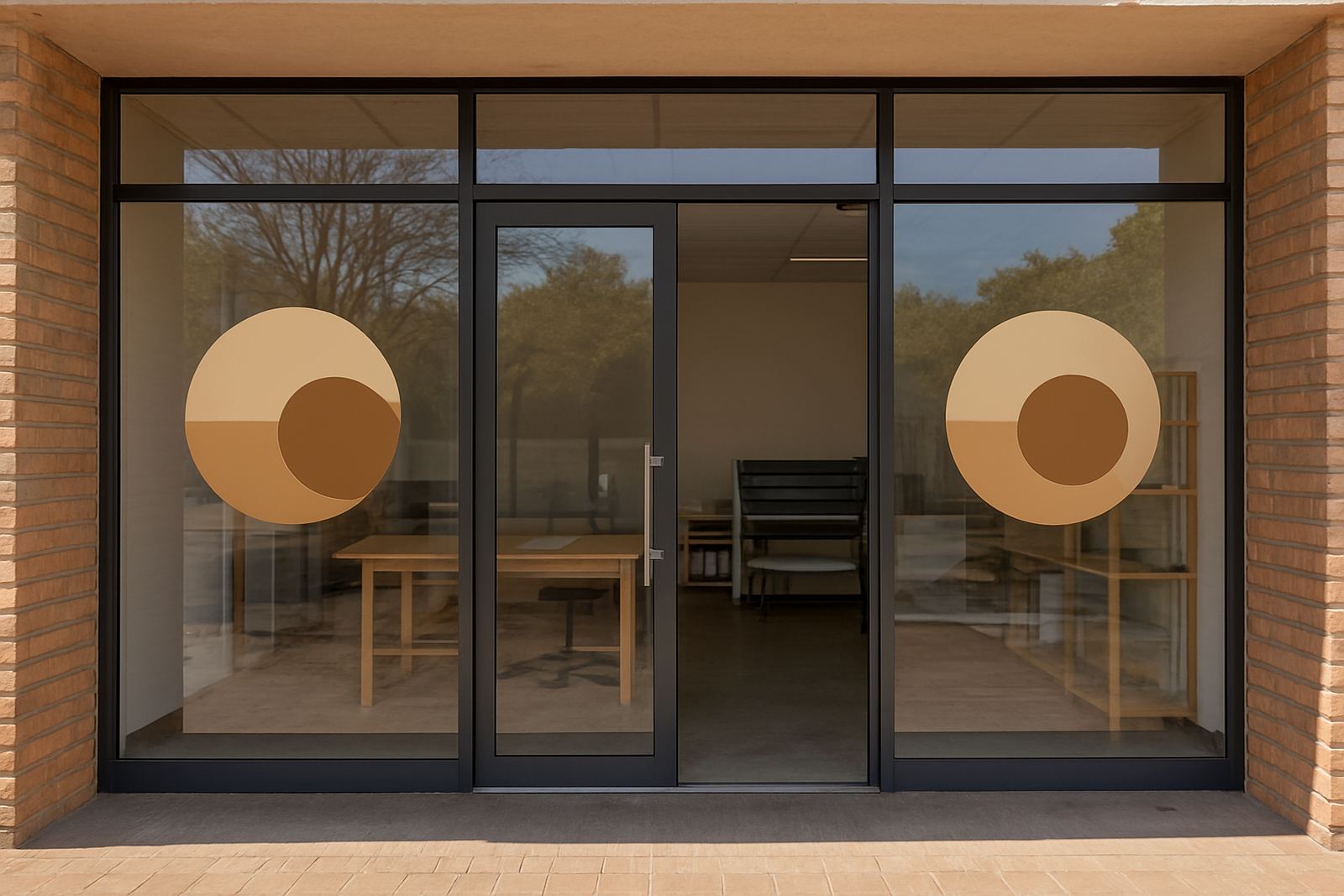
Frosted film is a practical choice where you want soft daylight and a more private feel. Printed film goes further by carrying patterns, logos or messaging while still screening views into the room. In retail and municipal settings, that can help with wayfinding, branding and sectioning off work areas without building new partitions.
For clinics, law offices, financial services and similar spaces, privacy is not only about appearances. It also helps with confidentiality, patient comfort and reducing distractions. In a hot north-facing room, film can also take some glare off screens and make the working day easier, especially during the afternoon when the light gets harsh.
Frosted, patterned or printed: choosing the right film
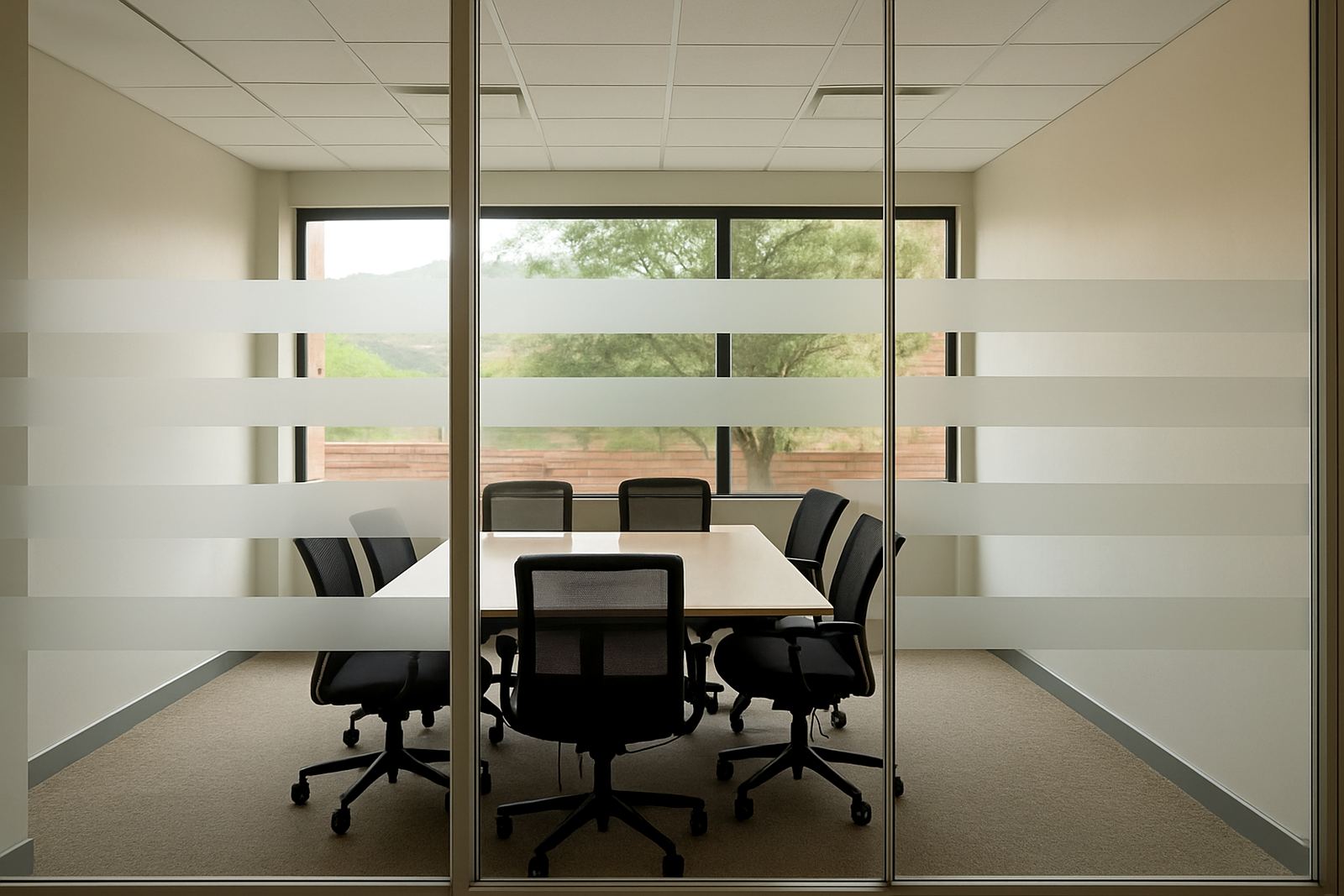
Not every window needs the same treatment. The right film depends on the level of privacy you need, the glass size and how much branding you want to include. A plain frosted finish is often best for offices and clinics where you want a calm, professional look. It obscures movement and shape while still allowing natural light through.
Printed film is useful where the window must do more than block views. You can use it for logo strips, hours of trading, safety messaging or a full decorative panel. For shopfronts in Centurion or Akasia, a printed section at eye level can keep the interior visible above or below while giving the front a more finished appearance.
- Frosted film: good for meeting rooms, treatment rooms and front glass where privacy matters most.
- Printed film: useful for branding, decorative patterns and controlled visibility.
- Perforated film: suitable for full window coverage where you want outward graphics and some inward light.
- Combination layouts: often the best option for premises that need both privacy and a branded frontage.
A proper site survey helps determine where the film should start and stop. That matters if you are dealing with sight lines from the street, neighbouring offices or a parking area where people walk past the windows all day.
Where window privacy film works best in South African premises
Privacy film is not limited to one type of business. It has practical uses across offices, clinics, retail and public-facing facilities. In many cases it is a faster and more affordable solution than replacing glass or installing permanent screens.
- Offices: meeting rooms, open-plan glass fronts, manager offices and filing areas.
- Clinics: reception glass, consultation rooms, treatment bays and pharmacy counters.
- Street-facing shops: front windows, payment points and stock rooms that need screening from outside.
- Municipal buildings: enquiry counters, service rooms and public-facing glass partitions.
- Shared workspaces: where tenants need privacy but still want daylight in the room.
For premises in parts of Pretoria with strong afternoon sun, it can also reduce the feeling of exposure in ground-floor offices. In Hartbeespoort, where dust and humidity can build up on exposed glass, a good film choice with proper installation can make maintenance easier because the surface is simpler to wipe down than loose blinds or curtains.
One local example is a medical practice near a busy access road in Pretoria East. The front windows faced a parking area and waiting patients could be seen from the street. A frosted lower section with a printed band at eye level kept the room private, left daylight coming in and gave the practice a neat, consistent front. It also cut glare on reception computer screens, which made the front counter easier to work at during peak hours.
What to think about before fitting film
Window film looks straightforward, but the result depends on the glass condition, the layout of the premises and the finish you choose. The first step is to check the glass for cracks, old adhesive or surface contamination. Film should be applied to clean, sound glass so it bonds properly and lasts.
It is also worth looking at how the room is used during the day. A waiting room may need full privacy at seated eye level, while a boardroom may only need the lower half screened. In some spaces, leaving a clear top section helps keep the room brighter and more open. If you are planning signage, the film can be matched with frosted panels, decals or directional text so the glass works as part of the building, not just as a barrier.
- Check where people stand, sit or walk past the windows.
- Decide how much light you want to keep.
- Match the film style to the business image.
- Allow for existing branding, safety markings or opening hours.
- Make sure the glass size and panel layout are measured properly.
On some sites, municipal or landlord rules may affect what can be shown on the glass, especially where frontage signs or wayfinding are involved. It helps to plan early so the film, wording and placement all work together.
Installation that lasts in heat, dust and daily traffic
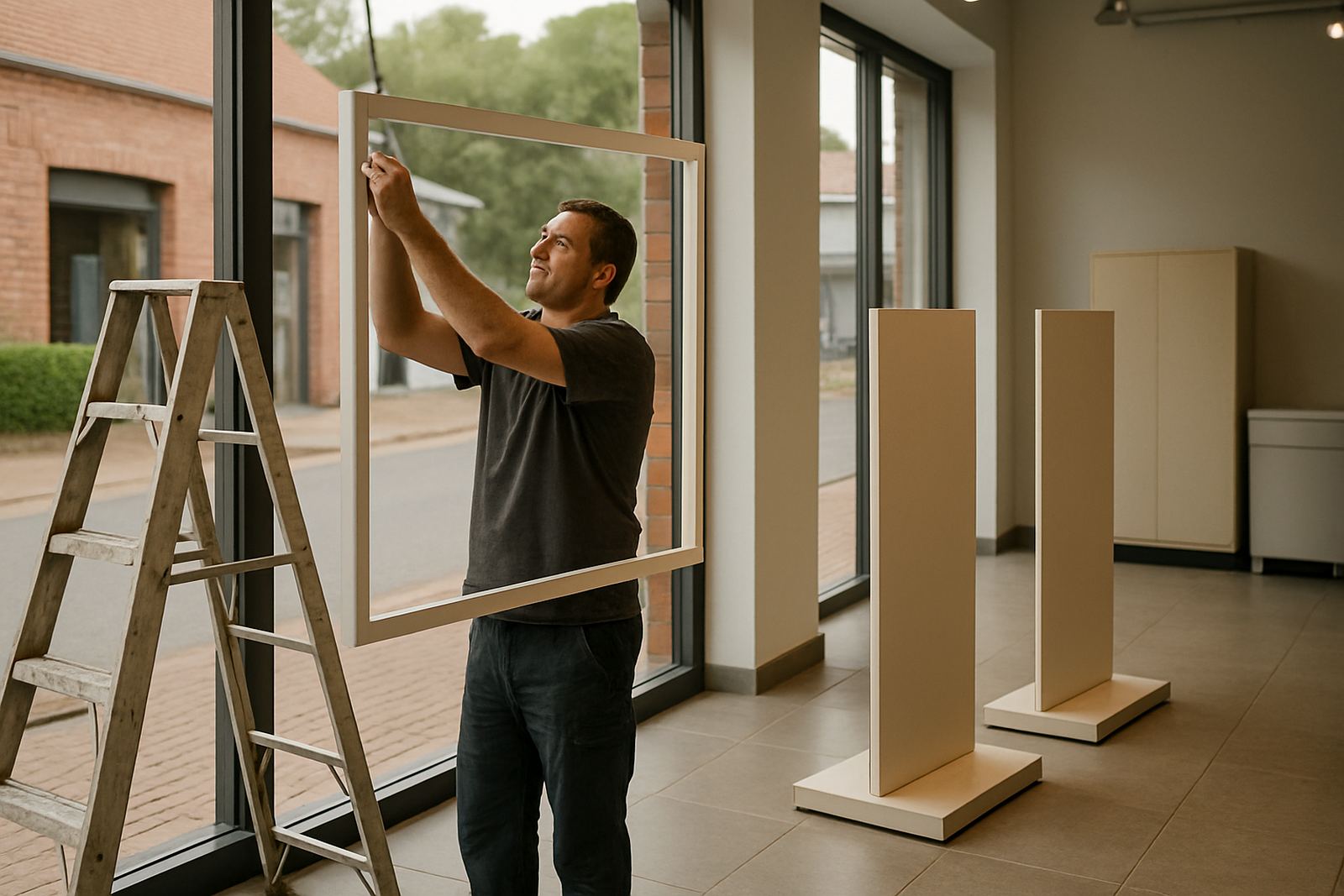
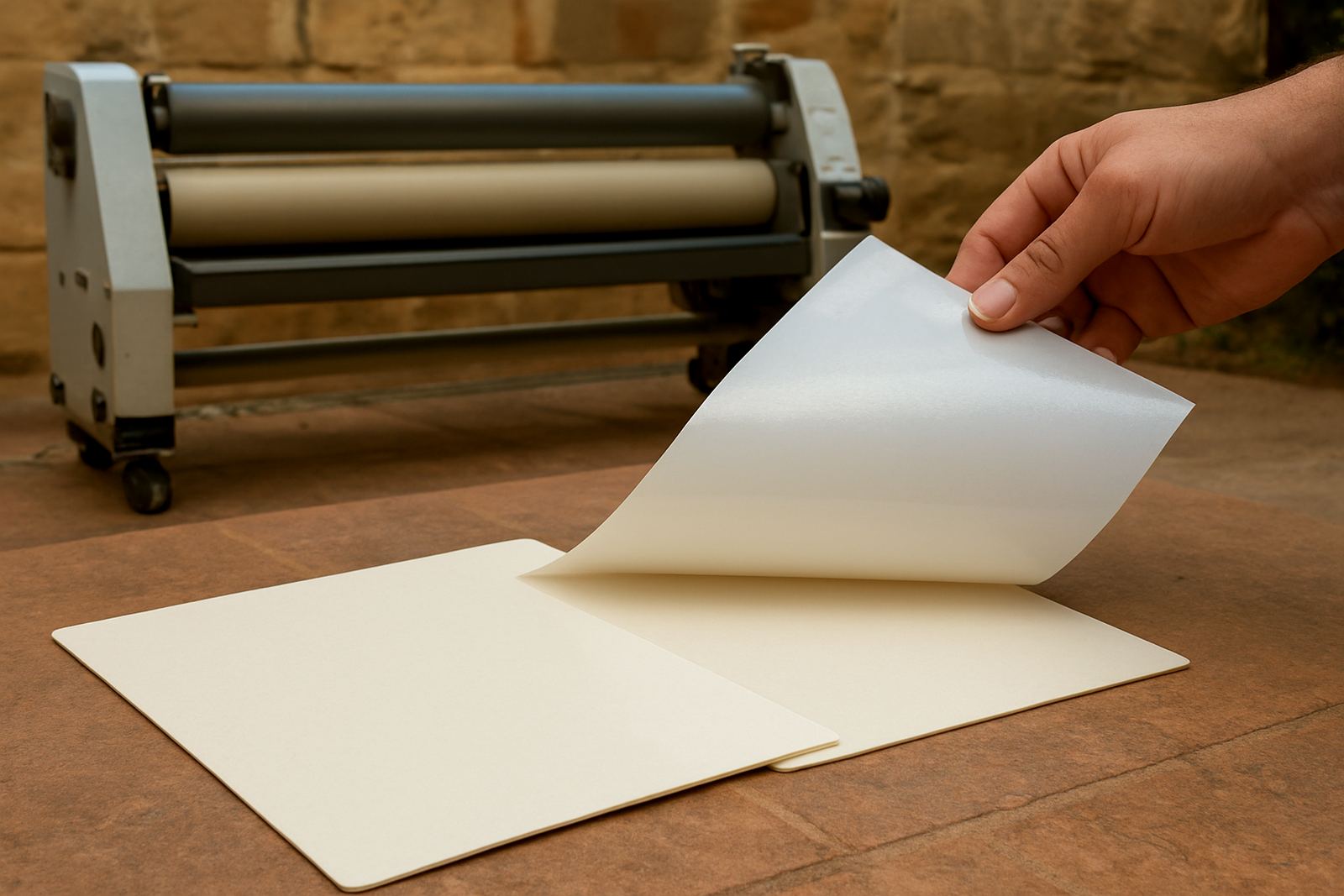
The film you choose is only one part of a clean result. Installation matters just as much. Glass must be measured accurately, cut cleanly and applied without bubbles, lifted edges or dust trapped underneath. In busy commercial areas, there is often limited downtime, so the work needs to be planned around trading hours and staff movement.
For larger premises, it is often best to install section by section so business can continue with minimal disruption. That is especially useful for clinics, retail stores and municipal offices where the public still needs access. If a building has sun exposure, aircon vents or frequent cleaning, the film should be selected and fitted with those conditions in mind.
Maintenance is simple once the film is on. Use a soft cloth, mild cleaning solution and avoid abrasive pads. On coastal or high-dust sites, routine care helps the finish stay clear and presentable for longer. If a panel gets damaged, individual sections can often be replaced without redoing the whole window, which keeps costs under control.
HM Graphics & Signs handles site surveys, design, fabrication and installation from our Hartbeespoort base while serving Pretoria, Centurion, Brits, Tshwane, Akasia, Rosslyn and Soshanguve. That makes it easier to manage office glass, shopfront windows and public-facing panels as one project instead of splitting it across different contractors.
When privacy film becomes part of the brand
Window privacy film is often chosen for a practical reason, but it can do more than screen a room. It can shape the way people experience your premises from the moment they approach the door. A clean frosted panel suggests order and professionalism. A printed strip can carry a logo, service line or simple pattern that ties the glass into the rest of the signage on site.
For brands with multiple branches, this is useful because the same glass treatment can be repeated across several locations. That gives a consistent look in Pretoria, Centurion and Brits without needing large structural changes. For municipalities, it also helps create a uniform appearance across service counters and public entrances.
Used well, privacy film solves a real operational need and improves the look of the building at the same time. It is a small change that can make a front office feel calmer, more organised and easier to use. In a city where people are often dealing with heat, traffic and long queues, that matters more than it may first seem.