Artwork Setup That Prints and Fits First Time
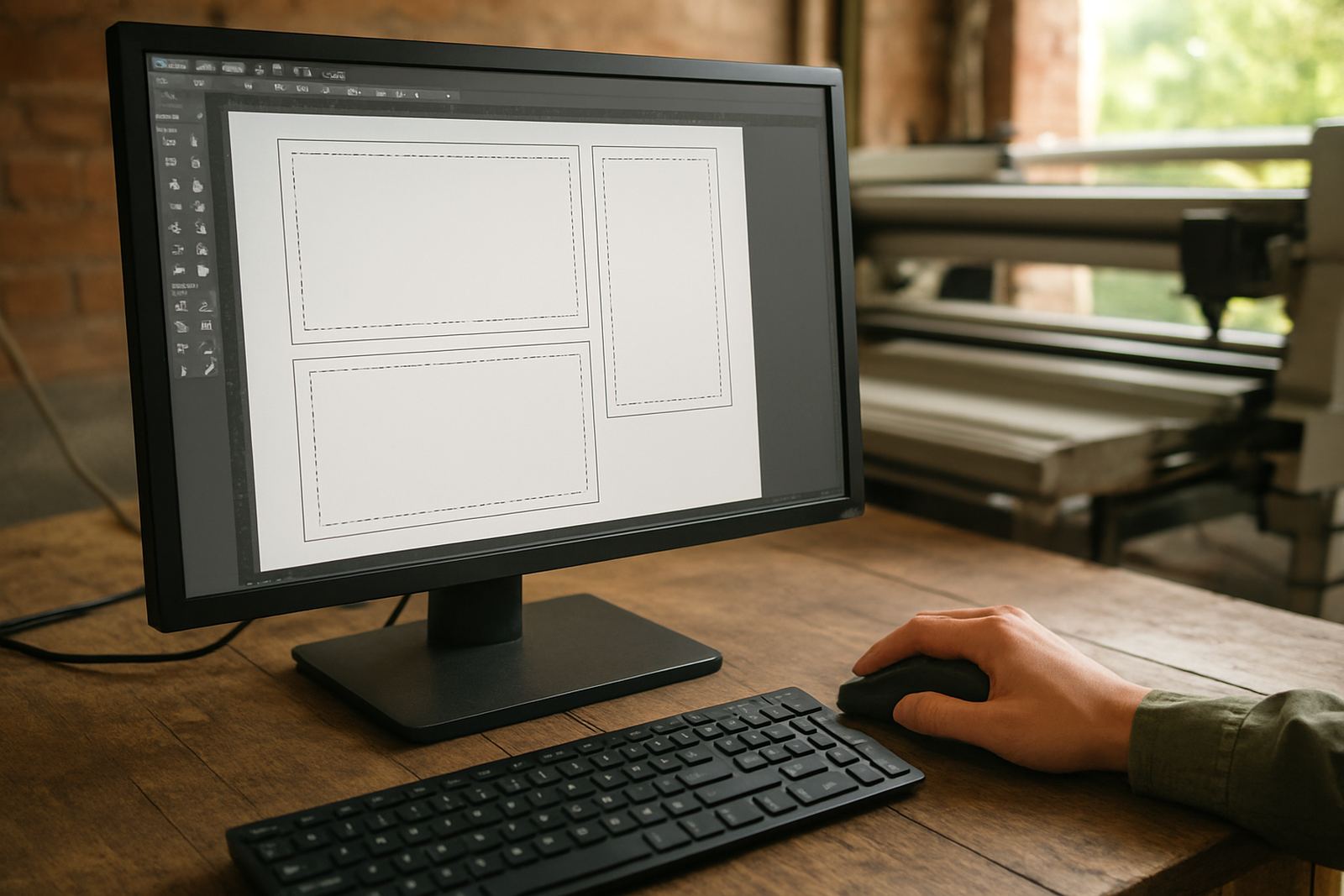
Artwork prep is the stage where a good design becomes a usable production file. We check size, bleed, colour, image quality, fonts and cut paths so the final sign, wrap panel or printed board comes out as intended and not a few millimetres off. For retailers, municipalities and brand rollouts, that accuracy matters because one wrong panel can hold up an entire site or campaign.
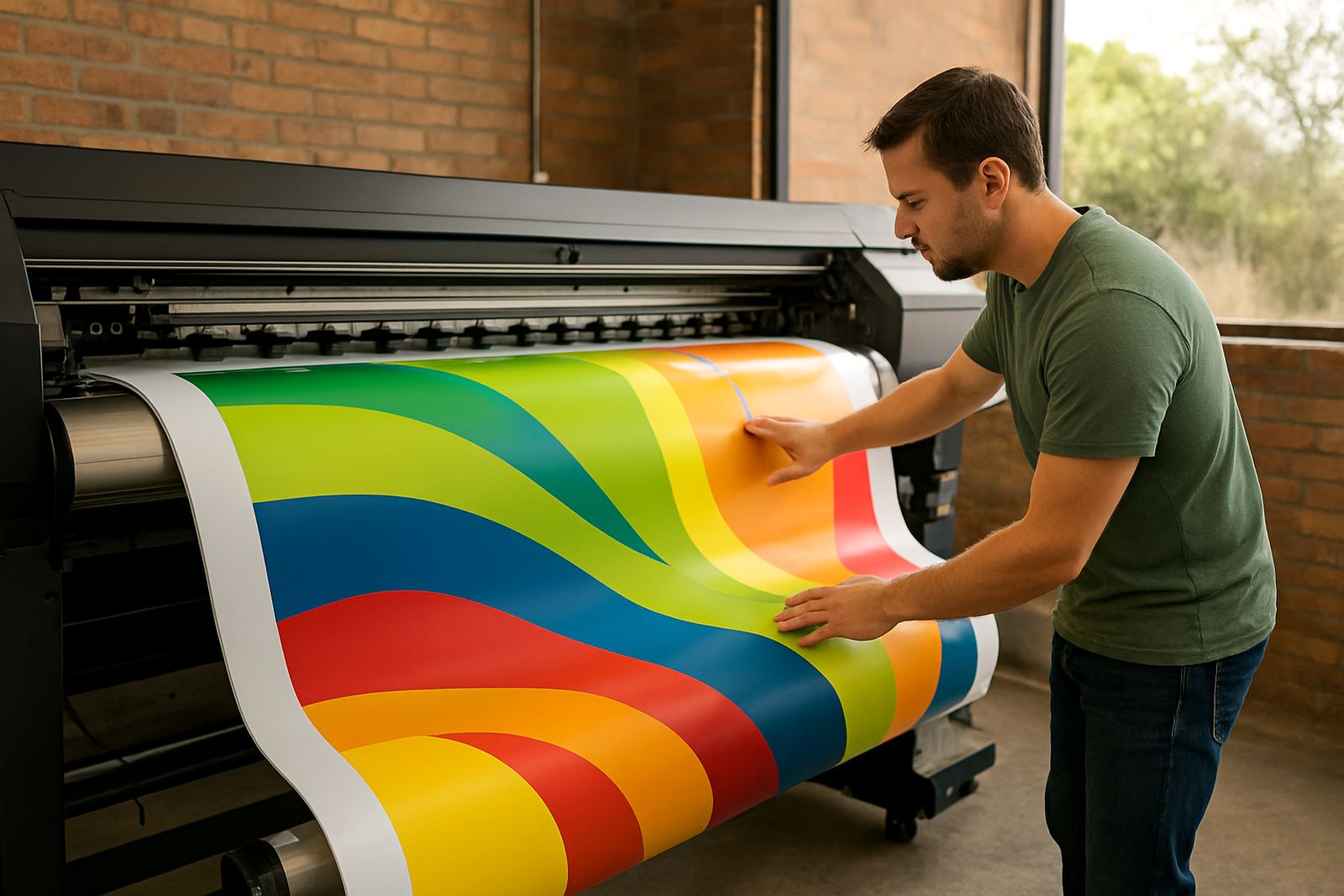
Our team at HM Graphics & Signs handles files for large format printing, vinyl cutting, flat signage, box signs, directional boards and campaign graphics. We also set up artwork for different finishes and materials, since what works on paper is not always right for ACM, acrylic, PVC or vinyl. In practice that means we tidy the file, flag problems early and prepare it for manufacture without guesswork.
- Artwork checked for final size, scale and output method
- Images reviewed for resolution and clarity
- Fonts outlined or supplied correctly
- Bleed and trim marks added where needed
- Cut lines prepared for plotter work or routing
What We Include in the Artwork Prep Scope
We handle the practical tasks that sit behind accurate signage production. That includes setting up supplied brand files, adjusting layouts for sign dimensions, preparing print panels, separating layers for fabrication and checking that colours will reproduce properly on the chosen material. If a job needs town-specific wording, permit notes, directional copy or multiple site variations, we format the versions so they stay consistent across every board.
For clients in Pretoria, Centurion, Brits, Akasia and Rosslyn, we often prepare artwork in batches for retail openings, office parks, school notices and municipal messaging. The aim is to keep the artwork clean enough for production and simple enough for repeat use later.
- Artwork from supplied logos, scans or older sign files
- File cleanup for low-resolution images, missing fonts and broken elements
- Layout adaptation for vehicle panels, wall signs, shopfronts and notice boards
- Colour setup for print, spot colour matching and cut vinyl separation
- Versioning for multi-site campaigns and different language requirements
File Specs We Check Before Production Starts
Good artwork prep is technical work. We check the numbers so the output is accurate and the installer is not left trimming or reworking on site. For most sign and print jobs, we work to the actual finished size or a clearly marked scale, usually with 3 mm bleed for edge-to-edge print and a safe margin of 5 to 10 mm for text and critical details. If the job is being cut, we prepare vector paths with closed shapes and clean nodes so the cutter reads the file properly.
We also pay attention to colour and resolution. Raster images are best supplied at Usually 150 to 300 dpi at final print size, based on how far the sign will be viewed from. Fine detail for close-up signs, reception boards and product graphics needs a bit more care than a board viewed from the street. When a job must match existing signage, we compare the artwork to the physical sample and adjust where needed, because a colour shift can be very obvious in bright Gauteng daylight.
- Bleed: 3 mm standard for printed panels and boards
- Safe area: 5 to 10 mm from trim edges for key text
- Resolution: 150 dpi minimum for large signs, 300 dpi for close viewing
- Colour mode: CMYK for print, spot colours where required for cutting or matching
- Vector files: preferred for logos, line art and cut shapes
- Fonts: outlined or supplied with correct licensing and naming
How the Artwork Prep Process Works
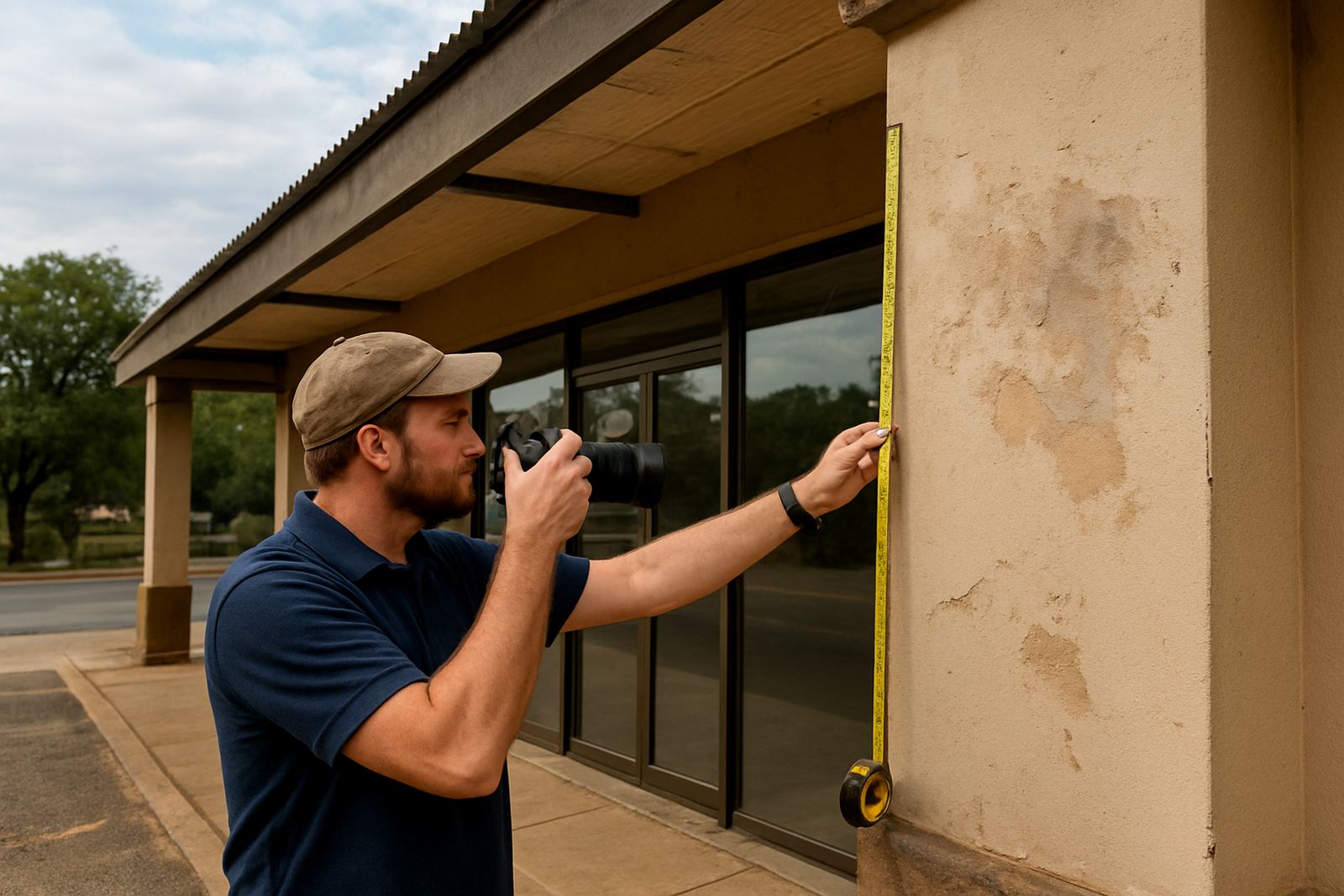
We keep the process straightforward so clients know what happens next. After the brief, we review the supplied material, confirm the application and check the technical needs of the sign or print item. If measurements are missing, we can arrange a site survey first. That helps where wall sizes, vehicle panel curves or existing fixings need to be measured properly before artwork is locked in.
Once the layout is prepared, we send a proof for approval. If changes are needed, we revise the file and resubmit. After sign off, the file moves into manufacture or print scheduling. Where load-shedding or site access affects the programme, we plan the handover and installation order so work does not stall at the wrong time. It keeps the job moving, even when the week is busy.
- Receive the brief and supporting files
- Check dimensions, material type and output method
- Prepare artwork and technical layout
- Send proof for client approval
- Revise if needed and finalise for production
Turnaround Times and Pricing Approach
Turnaround depends on how complete the source material is and how many versions are needed. A straightforward artwork tidy-up can be done faster than a full campaign with multiple store formats, permit wording and matching to an existing sign set. In most cases, simple prep is quoted after we see the brief, while more detailed work is priced according to time, revision rounds and technical complexity.
We keep pricing practical. That means you pay for the work the file actually needs, not for extra steps that do not help the end result. If a client brings rough images, an old PDF or a logo that needs rebuilding, we explain what must be redrawn, cleaned or measured. For repeat work across Tshwane or Gauteng, we can keep a master file structure so future rollouts are quicker and less costly.
- Simple file checks and tidy-up work
- Layout rebuilds for damaged or outdated artwork
- Multi-branch artwork sets for rollout campaigns
- Proofing and revision based on the approved brief
- File storage for repeat use on future signage
Keeping Files Ready for Reprints and Maintenance
Artwork prep does not stop at the first print. Signs often need reprints, panel replacements or updated wording after a policy change, tenant move or branding refresh. We keep files organised so replacements can be produced with the same size and colour settings later on, which saves time when only one panel is damaged or a board needs new information.
For outdoor signage in Hartbeespoort, Pretoria and the surrounding areas, we suggest checking artwork files whenever the sign itself is inspected. Sun exposure, coastal humidity on some routes to the north west and general wear can make replacement more common than clients expect. A quick file review every 12 to 24 months is often enough for long-term use, while high-traffic retail or municipal sites may need a shorter review cycle.
- Review artwork after any branding change or site update
- Check reprint files during annual sign maintenance
- Keep a master file for each branch or location
- Confirm dimensions before replacing panels or vinyl
- Update contact details, notices and statutory wording when required
Working Across Hartbeespoort, Pretoria and Gauteng
Our Hartbeespoort base serves Pretoria and surrounding areas, including Centurion, Brits, Tshwane, Akasia, Rosslyn and Soshanguve. Because we work with retailers, brands and municipalities, we understand that artwork needs to suit different sites and approval processes. A retail park sign, a roadside directional board and a municipal notice board all need different handling, even when the logo stays the same.
Clients usually reach us through the enquiry form on our contact page with their brief, measurements and any existing artwork. From there, we can advise what needs to be cleaned up, what needs to be redrawn and whether a site survey is needed before final production. If you need accurate artwork for print, cutting or fabrication, we can take it from rough material to production-ready file with no fuss.
Key facts
| Service type | Production-ready artwork setup for print, cutting and fabrication |
|---|---|
| Output formats | Print files, vector cut files, fabrication layouts and proof PDFs |
| Typical bleed | 3 mm for edge-to-edge printed work |
| Image quality | Usually 150 to 300 dpi at final print size, based on how far the sign will be viewed from |
| File types | Vector preferred for logos and cut paths, high-resolution raster for photos |
| Coverage area | Hartbeespoort, Pretoria, Centurion, Brits, Tshwane, Akasia, Rosslyn and Soshanguve |