What We Fabricate In Our Workshop
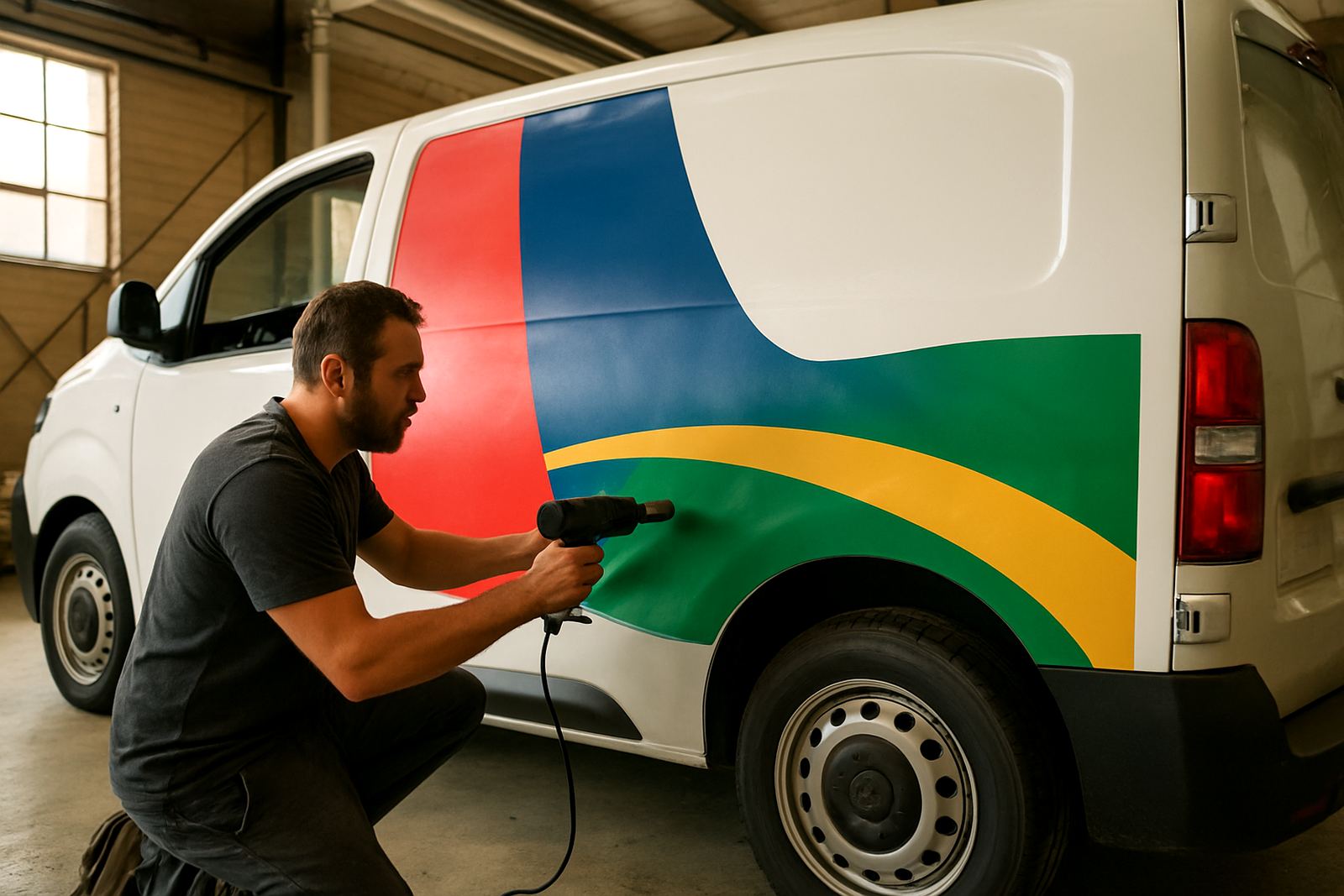
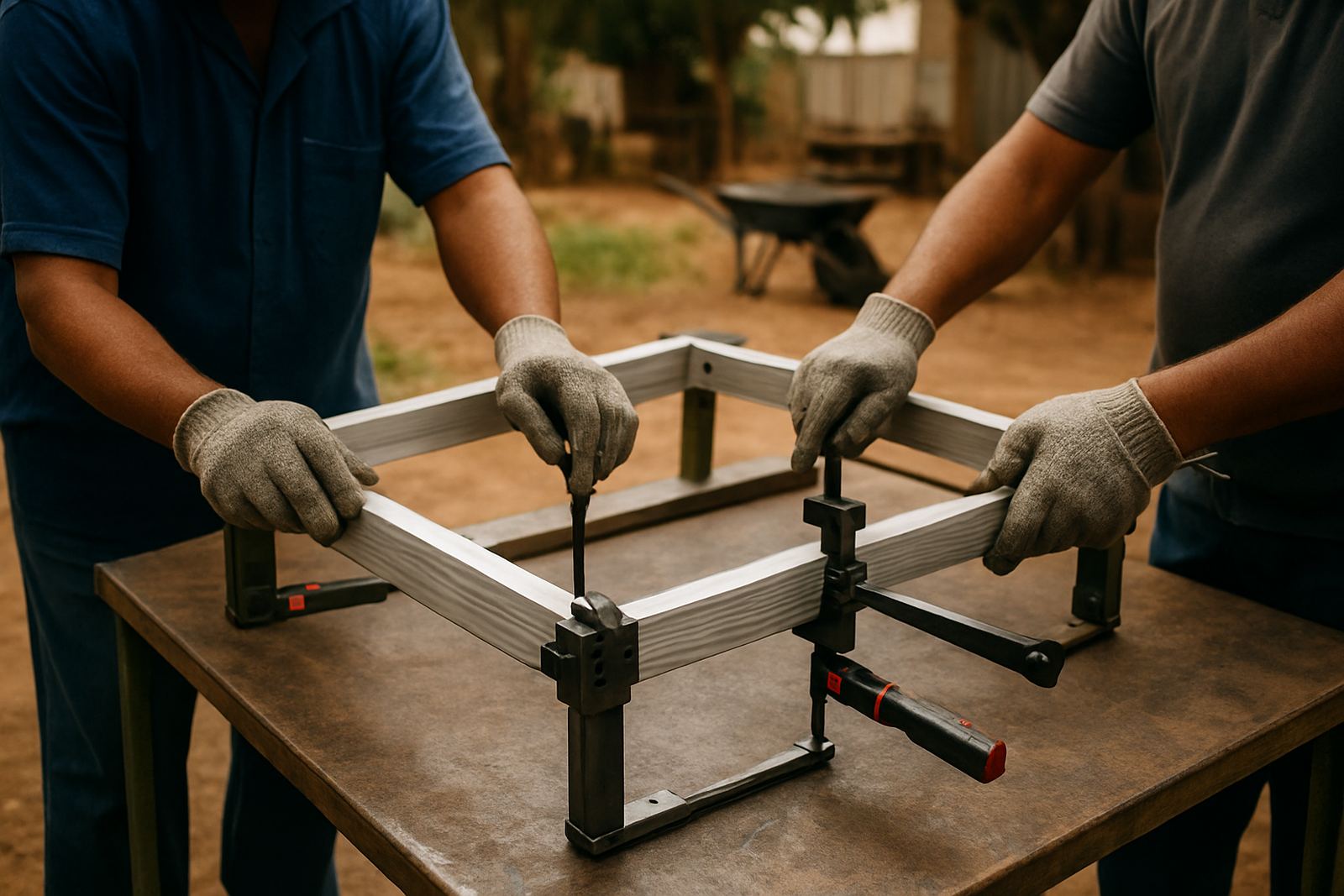
Sign fabrication is the part of the job where the sign becomes a physical product, not just a drawing. We manufacture sign bodies, mounting frames, aluminium composite panels, powder coated steel frames, built-up letters, internal light boxes, pylons, wall signs and bracketed signs for retail fronts, estates, depots, offices and municipal sites.
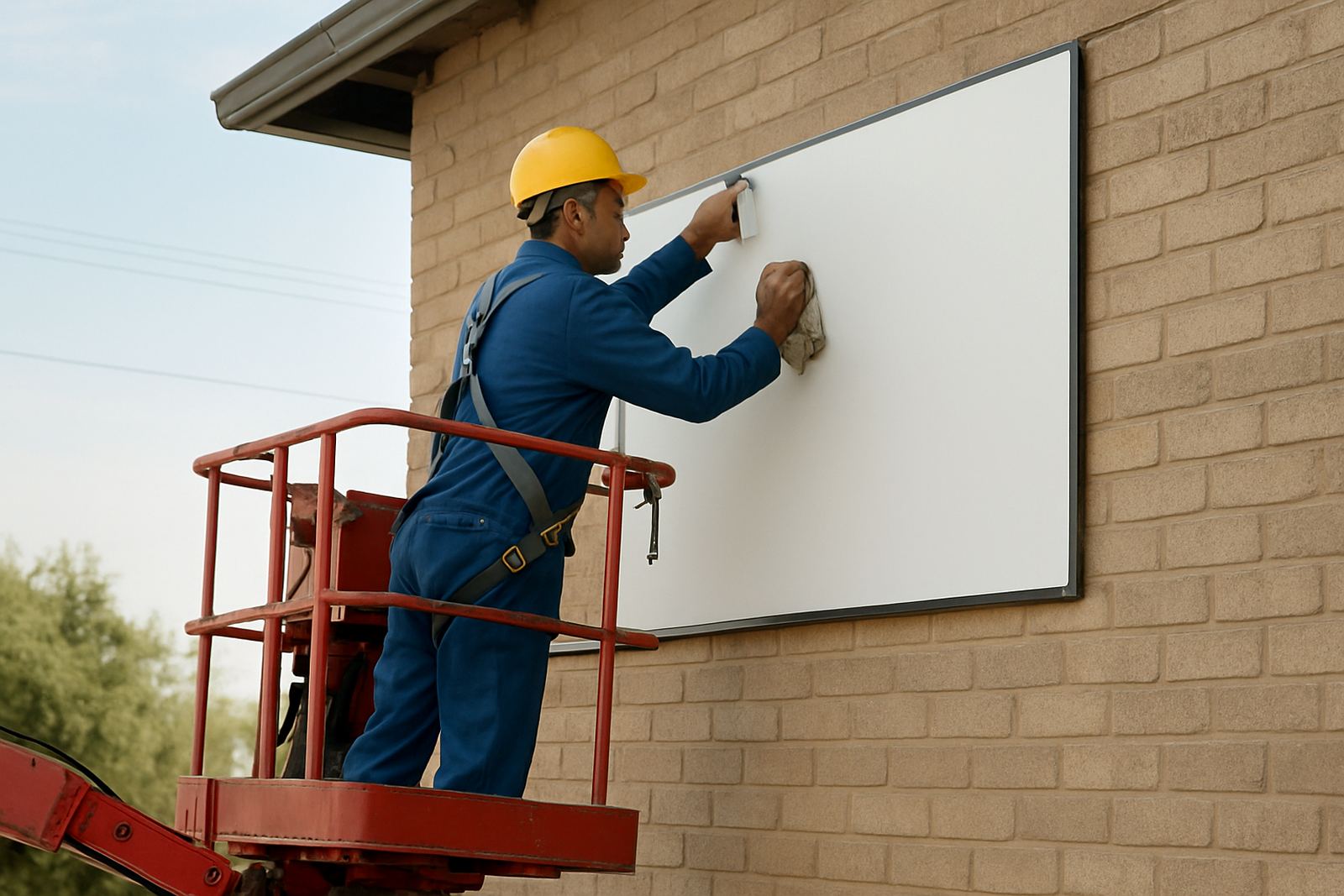
Our workshop team works from approved artwork and site measurements, then cuts, welds, assembles and finishes each item to suit the site conditions. In Hartbeespoort and Pretoria, that often means planning for wind, dust, sun exposure and load-shedding, so the structure and fixing method have to be right from the start. We also look at access for lifts, ladders and safe installation, because a sign that is hard to fit is usually hard to maintain too.
- Free-standing and wall-mounted sign structures
- Aluminium, steel and composite panel fabrication
- Individual letters and logo panels
- Internal light box frames and housings
- Frames for direction signs, estate boards and municipal boards
Materials And Build Specs We Commonly Use
We select materials according to size, location and expected wear. For outdoor use in Gauteng, we often specify galvanised steel or aluminium where corrosion resistance matters, especially in areas with dust, winter rain and coastal-like humidity around large water bodies. For large panels, aluminium composite sheet is a common choice because it stays neat, is light enough for easier handling, and accepts vinyl, print or paint finishes well.
Typical fabrication details include 25 x 25 mm, 38 x 38 mm or heavier box section for frames, 3 mm to 6 mm aluminium composite panels, 1.6 mm to 3 mm aluminium sheet, mild steel for internal structure, stainless steel fasteners where needed, and edge returns or folded lips for extra strength. We also use backing boards, internal stiffeners, standoffs, powder coating or primed paint systems depending on the use case. If a sign has lighting, we allow for wiring routes and service access, so maintenance later is not a struggle.
- Suitable for indoor and outdoor applications
- Can be prepared for vinyl, print, painted or routed finishes
- Can include pre-drilled fixing points and concealed brackets
- Built for municipal, retail and industrial environments
How The Fabrication Process Works
Our process is straightforward. First we confirm the sign type, size, mounting surface and any site constraints. Then we prepare the fabrication drawing or working layout, followed by material selection, cutting and assembly. Once the structure is complete, it is cleaned, finished and checked before installation or collection.
The team keeps the process practical and clear. Hendrik Mokoena oversees the business direction, while Lerato Mthembu manages operations, Riaan Odendaal supervises production, Ayanda Mavuso handles design preparation, Retief Wessels manages fabrication work and Kagiso Ndlovu leads installations. Revasha Desai coordinates client communication and job progress, which helps keep rollouts moving when a client has more than one branch or site to cover.
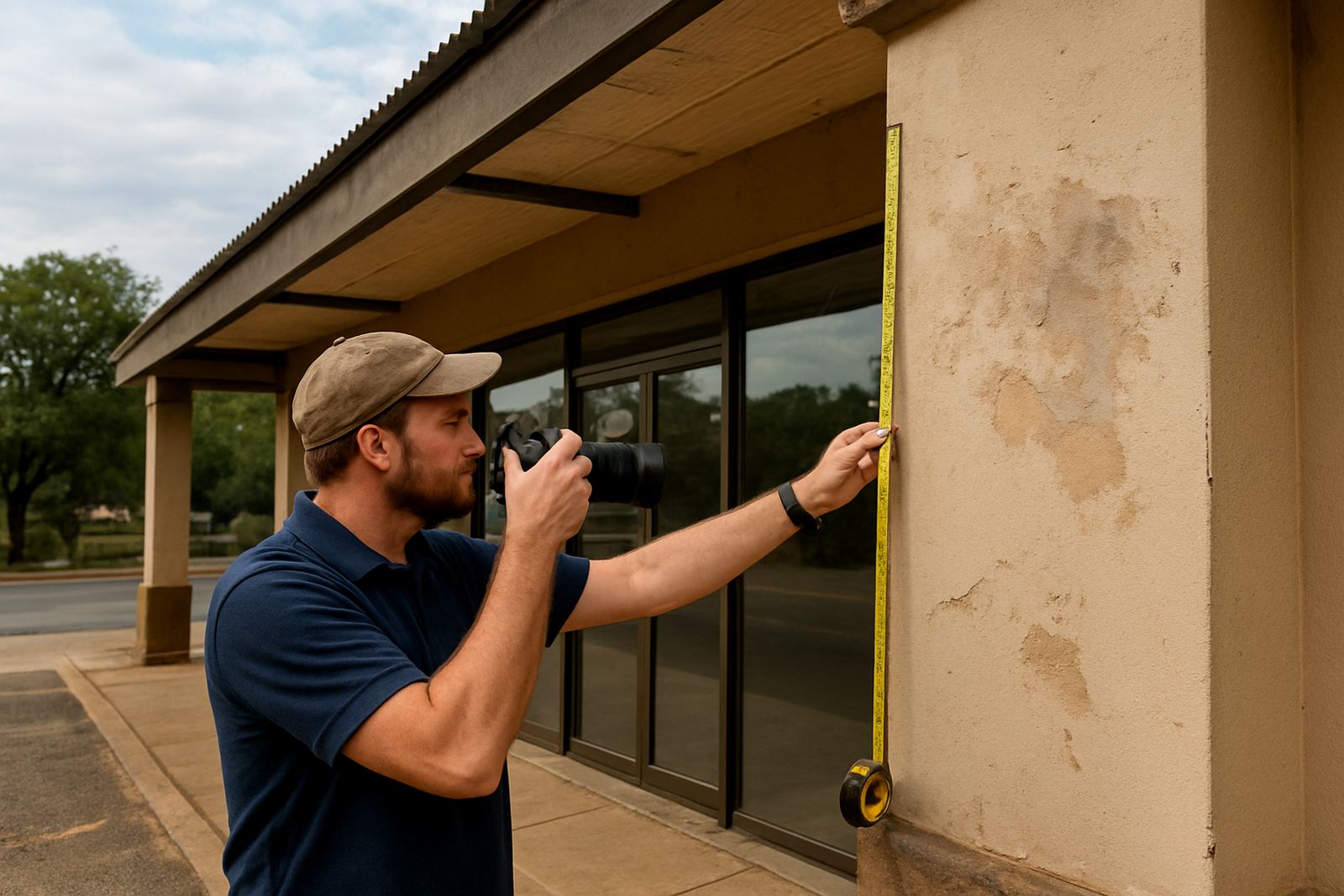
- Site survey and measurements
- Artwork and fabrication prep
- Cutting, welding, bending or assembly
- Finishing, drilling and hardware fitment
- Quality check and handover for installation
Turnaround Times And Scheduling
Turnaround depends on the sign size, material choice, finish and whether approvals are needed. A simple panel or letter set can move faster than a large fabricated pylon or a site with several signs in one rollout. For many standard items, fabrication can be completed within a few working days after sign-off, while larger or more complex pieces may need longer because of weld cure times, coating, drying and hardware sourcing.
We also plan around site access and the realities of working in busy trading areas, municipal locations and retail centres. If the sign is for a branch opening, campaign launch or a change of trading name, we can sequence the fabrication so the most urgent items are ready first. In some cases we split the job into phases so that urgent fascia sections go up first and secondary wayfinding signs follow after. That keeps the site moving and reduces down time.
Pricing Built Around Fabrication, Not a Standard Estimate
Fabrication pricing is based on size, material type, finish, complexity and installation conditions. A small cut-out logo in aluminium will not cost the same as a welded steel frame with cladding, fixings and access challenges. We quote from the actual requirements so clients know what they are paying for and where the main cost drivers sit.
For multi-site clients in Pretoria, Centurion, Brits and Tshwane, we can price each branch separately or combine the work into one rollout schedule. That often helps with budgeting, because you can compare sign types across branches and choose where to standardise. Where needed, we also price maintenance and future replacement parts as part of the brief, so the client is not surprised later.
- Quoted from site details, dimensions and material choice
- Options available for standard and custom builds
- Pricing can include fabrication only or full supply and install
- Maintenance and call-out costs can be separated clearly
Keeping Fabricated Signs In Good Order
A well-made sign still needs routine checking, especially outdoors. In Gauteng, we usually advise a first inspection after the initial installation settles, then follow-up checks every 6 to 12 months depending on exposure. High sun, vibration, wind and dust can loosen fixings or mark finishes over time, so it is better to catch small issues before they become expensive repairs.
For coastal humidity or heavy traffic sites, the intervals may need to be shorter. Maintenance can include bolt tightening, cleaning, touch-up painting, replacing damaged panels, checking welds, resealing light boxes and re-securing fixing points. If the sign is part of a campaign rollout or municipal install, planned maintenance helps keep the site compliant and presentable. It also extends the life of the structure, which saves money in the long run, no question about it.
When To Bring Us In Early
Bring us in at the start if the job involves unusual size, height, weight, illumination, municipal placement or multiple branches. Early involvement helps us advise on the best material choice, the right fixing method and any permit or site restrictions that may affect the build. That is especially useful for retailers, brands and municipal clients working to a fixed opening date or rollout window.
If you already have artwork, we can adapt it for fabrication and print. If you only have a sketch, we can turn it into a practical fabrication plan and prepare the sign for production. Clients in Hartbeespoort, Pretoria, Akasia, Rosslyn, Soshanguve, Centurion, Brits and the wider Gauteng area can send an enquiry through the contact form and we will take it from there.
Key facts
| Typical frame sizes | From small wall brackets to large free-standing structures, sized to site measurements |
|---|---|
| Common materials | Galvanised steel, mild steel, aluminium, aluminium composite, acrylic |
| Finish options | Powder coating, primed paint, vinyl face application, routed panel finish |
| Fixing methods | Wall plugs, chemical anchors, concealed brackets, stand-off fixings, base plates |
| Outdoor suitability | Built for sun, wind, dust and regular cleaning in Gauteng conditions |
| Maintenance interval | Initial check after install, then every 6 to 12 months depending on exposure |