What acrylic signs are used for
Acrylic signage is made from clear, frosted or coloured acrylic sheet, then printed, cut or mounted with vinyl graphics to create a crisp sign face. It is a popular choice for reception walls, office entrances, meeting rooms, clinic directories and tenant boards because it looks neat and stays easy to read from a short to medium distance.
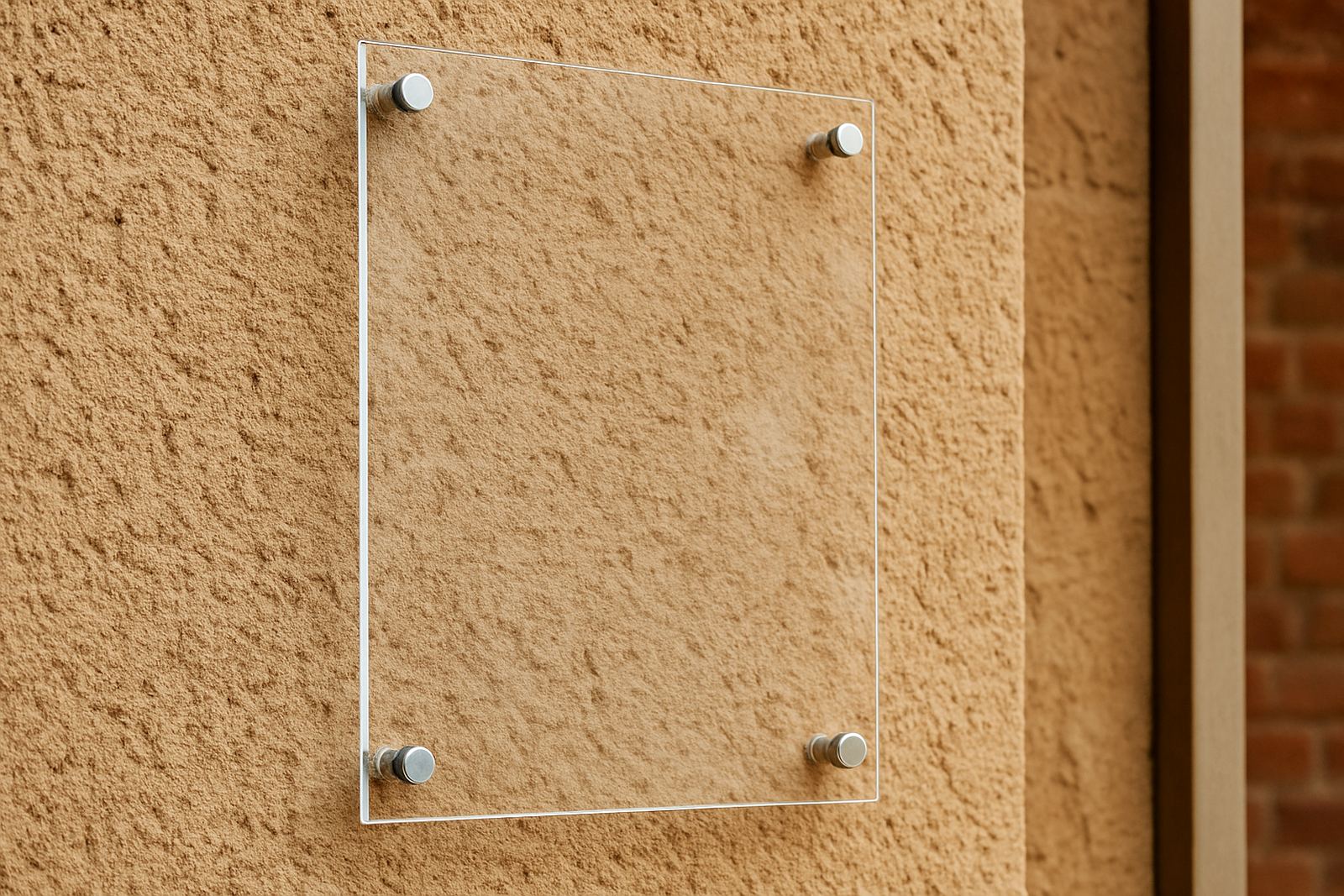
For many clients in Pretoria, Centurion and Hartbeespoort, acrylic is the right balance between appearance and practicality. It gives a more refined look than basic printed board, but does not carry the weight or cost of metal for every application. You can use it for single panels, layered signs or stand-off mounted name boards, depending on the space and the message.
- Clear acrylic for a floating, modern finish
- Frosted acrylic for privacy and softer contrast
- Back-painted or coloured acrylic for brand matching
- Layered builds for raised lettering and depth
- Indoor directory panels and room markers
Sizes, thicknesses and finish options
Acrylic signs are usually cut to suit the wall, door or panel size on site. Common thicknesses range from 3 mm to 10 mm, with 5 mm and 6 mm used often for internal signs. Larger panels or signs that need more rigidity may need thicker material or extra mounting points.
Finish choice affects both the look and the care needed. Clear acrylic shows the wall behind it, while frosted finishes reduce glare and fingerprints. Gloss finishes suit strong colour work, while matte options help in bright reception areas with lots of natural light. We can also add standoff fixings, vinyl lettering, printed graphics or a combination of these for a more detailed result.
- Standard thickness: 3 mm, 5 mm, 6 mm, 10 mm
- Common panel sizes: A4, A3, A2, A1 and custom cuts
- Edge finish: polished or flame-finished where suitable
- Mounting: direct fix, standoffs, spacers or adhesive tapes
- Graphics: cut vinyl, printed vinyl, frosting, layered build-ups
Where acrylic signs suit best
Acrylic is best where the sign needs to look clean and stay professional, but not take over the room. It works well in corporate foyers, customer service counters, school admin areas, medical rooms and shared office passages. It also suits branded directories in estates and multi-unit buildings around Tshwane, Rosslyn and Akasia.
Because acrylic is smooth and non-porous, it is easy to wipe down and keeps its appearance with normal care. That makes it useful in spaces that see regular hand contact or dust. In Gauteng offices with aircon, the surface stays stable and neat. In warmer or more humid coastal conditions the same sign should still perform well indoors, provided the correct fixings and substrate are used.
- Reception walls and lobby branding
- Office name panels and room identifiers
- Internal directional signs and tenant lists
- Clinic, school and municipal information boards
- Retail back-office and staff area signage
Installation, mounting and site requirements
Most acrylic signs need careful measuring before production so the fixing holes, standoffs and graphics line up properly. Our team handles site surveys, layout checks and installation across Pretoria, Centurion, Brits and surrounding areas. On a smooth interior wall, a sign may only need wall plugs, screws or high-bond tape, but the surface must be checked first. Painted plaster, tiled walls, glass, melamine and cladding all behave differently.
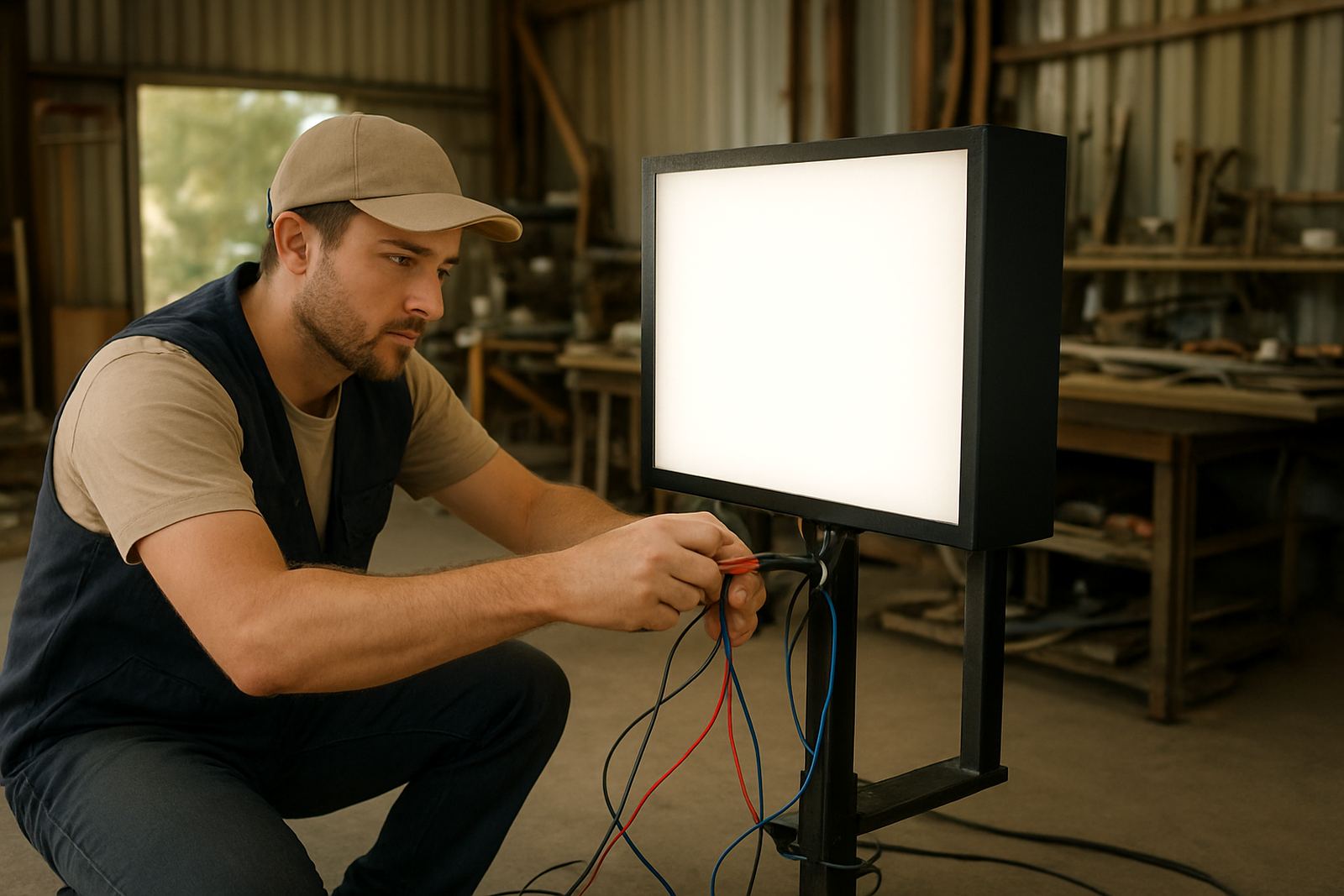
Acrylic signs do not need power or gas for the sign itself. If you are adding illumination, then we will need access to electrical power and safe cable routing, but standard acrylic name signs are non-electrical. For larger boards or high wall placements, we check access, ladder clearance and any building rules before fitting. Where a property has municipal or estate restrictions, permit support can be arranged if needed.
- No power required for standard acrylic signs
- No gas required
- Wall condition must be sound and level
- Outdoor exposure needs UV stable graphics and correct fixings
- Access for installers should be arranged before the visit
Care, cleaning and maintenance over time
Acrylic stays looking good with simple maintenance. Use a soft microfibre cloth, clean water and a mild, non-abrasive cleaner. Avoid thinners, harsh chemicals and rough pads because they can scratch the surface or cloud the finish. If the sign is in a busy passage or public-facing area, a quick wipe every week is usually enough.
For signs that carry printed vinyl or layered graphics, it helps to check the edges now and then for lifting or dirt build-up. If a panel has been damaged by impact, UV ageing or poor fixing, we can repair, replace or refurbish it. In some cases only the face graphic needs redoing, which keeps costs down and shortens downtime.
- Use soft cloths only
- Avoid abrasives and strong solvents
- Check standoffs and fixings during routine cleaning
- Replace damaged graphics before they peel further
- Ask for refurbishment if the base panel is still sound
Before You Order an A-Frame Sign
To get the right acrylic sign the first time, it helps to confirm a few practical details before production starts. The final size, wall type, fixing method and artwork format all affect the result. If the sign is going into a shared building, we also need to know whether there are any landlord or municipal rules that affect branding placement.
Our team in Hartbeespoort and Pretoria works from the concept stage through to manufacture and installation, so we can help shape the sign around your space. If you already have artwork, we can check it for print suitability and sizing. If not, we can prepare the layout and tidy up the file so the final sign is clean and legible.
- Exact wording and spelling
- Sign size and viewing distance
- Indoor or outdoor placement
- Wall material and fixing preference
- Brand colours, logos and artwork format
- Any access restrictions, permits or site rules
Key facts
| Product type | Acrylic signs for offices, receptions and internal directories |
|---|---|
| Material | Clear, frosted or coloured acrylic sheet |
| Typical thickness | 3 mm, 5 mm, 6 mm or 10 mm |
| Mounting | Direct fix, stand-off fixings, spacers or high-bond tape |
| Power or gas need | None for standard signs |
| Service area | Hartbeespoort, Pretoria, Centurion, Brits and Tshwane |