
What Construction Signs Do On A Live Site
Construction signs are used to guide people, warn workers and visitors, and show important site information where work is active. On a busy site in Tshwane or Brits, a clear sign can do several jobs at once: mark the entrance, identify the contractor, show PPE requirements, direct traffic, and highlight restricted areas. It is the kind of signage that must be seen quickly and understood straight away.
We produce signs for building contractors, civil works teams, estate developers, road projects and municipal sites. Depending on the application, a sign may carry safety messages, project details, contact information, emergency notices or directional arrows. For long-term use, we choose materials that cope with sun, wind, rain and dust, and for sites near the dam or other humid areas we allow for extra protection against warping and corrosion.
- Site entrance boards
- Safety and warning signs
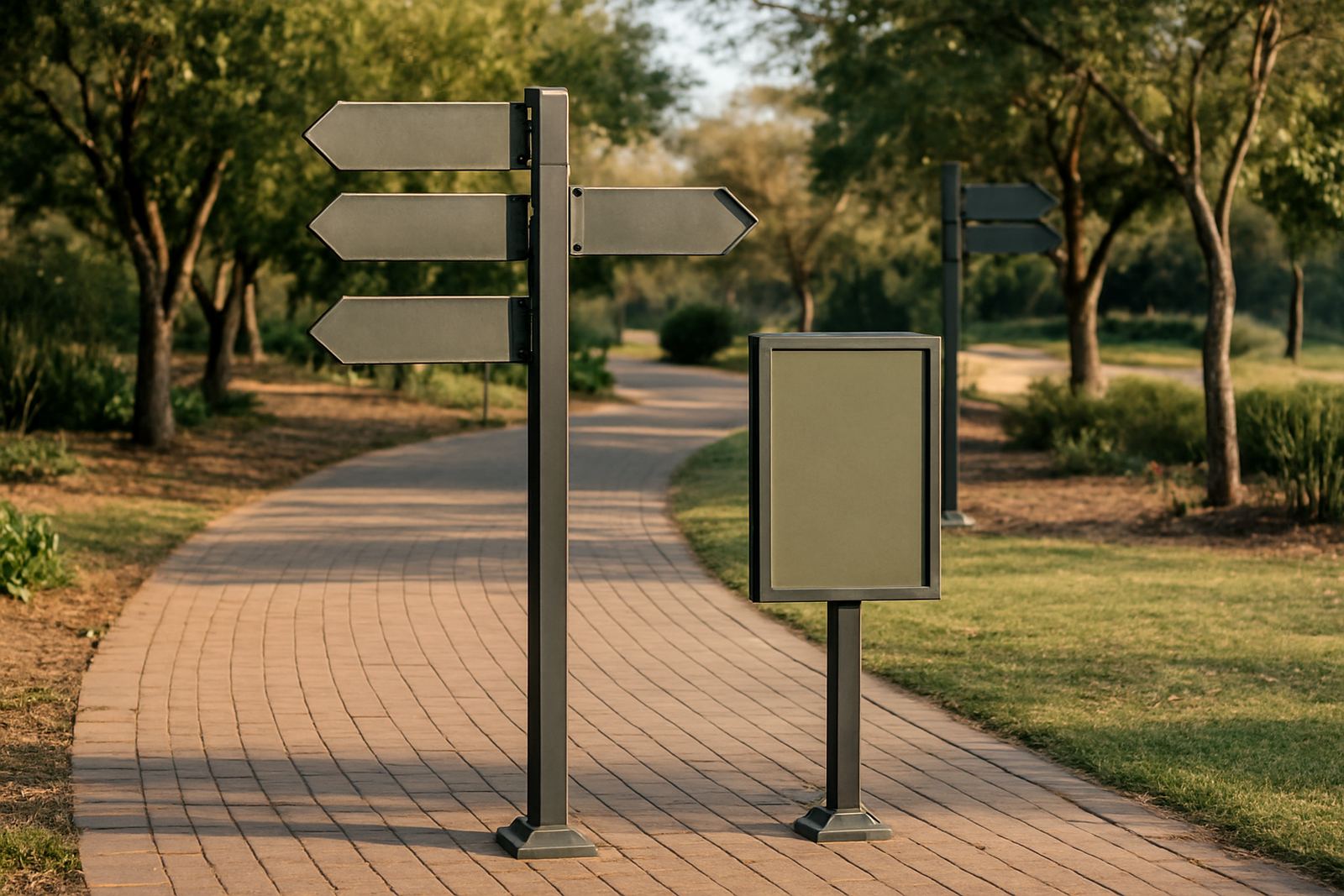
- Directional and access control signs
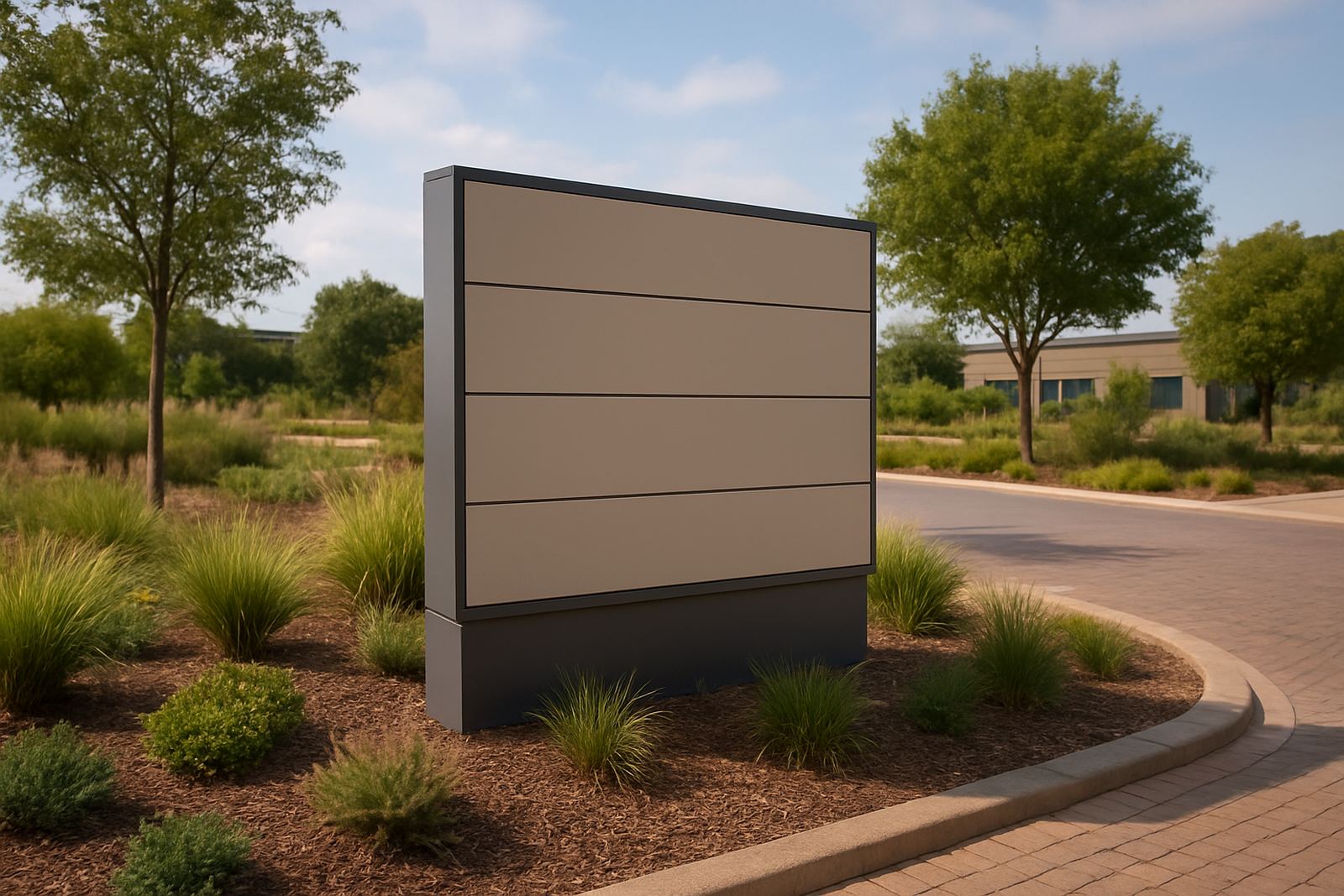
- Project information boards
- Temporary contractor branding
Sizes, Materials And Finish Options
Construction signs are not one-size-fits-all. A small warning sign for a gate may be 300 x 450 mm, while a project board for a main road site can run to 1200 x 2400 mm or larger. We also make custom sizes to suit boundary fencing, scaffold boards, gate entrances, safety huts and hoarding panels. If the site changes often, removable panels can save time and cost.
Common material choices include ACM, PVC board, aluminium sheet, reflective sheeting and waterproof vinyl applied to rigid substrate. For outdoor sites with strong wind or constant handling, a rigid panel with reinforced fixing points works better than light material. On night-time or low-light jobs, reflective film helps the message remain visible without extra power. Where colour coding matters, we match the board to the site system so the signage stays consistent across phases.
- Rigid boards for entrances and perimeter fencing
- Reflective options for night visibility
- Weather-resistant print for long outdoor exposure
- Laminate finish available for added surface protection
- Custom cut shapes for logos, arrows and hazard symbols
Where Construction Signs Work Best
These signs suit active building environments where movement, dust and equipment create risk. They are used on housing developments, warehouse builds, road upgrades, service installation sites, municipal infrastructure projects and retail refurbishments. In Centurion and Pretoria, they are often placed at access points where delivery trucks, subcontractors and site staff all enter through the same gate.
They also help with compliance and site discipline. Clear notices reduce confusion around no entry zones, hard hat areas, speed limits and pedestrian routes. For projects with public foot traffic, signs can carry instructions in plain language so visitors know where to report and which areas are restricted. That is especially useful where there are multiple contractors on one site, because no one wants mixed messages at the gate.
Where a project runs for months, the sign should be readable from a moving vehicle and tough enough to stay legible after repeated cleaning. For dusty sites and windy corners, we recommend surfaces that can be wiped down without the print lifting or fading too quickly.
Installation, Fixings And Site Requirements
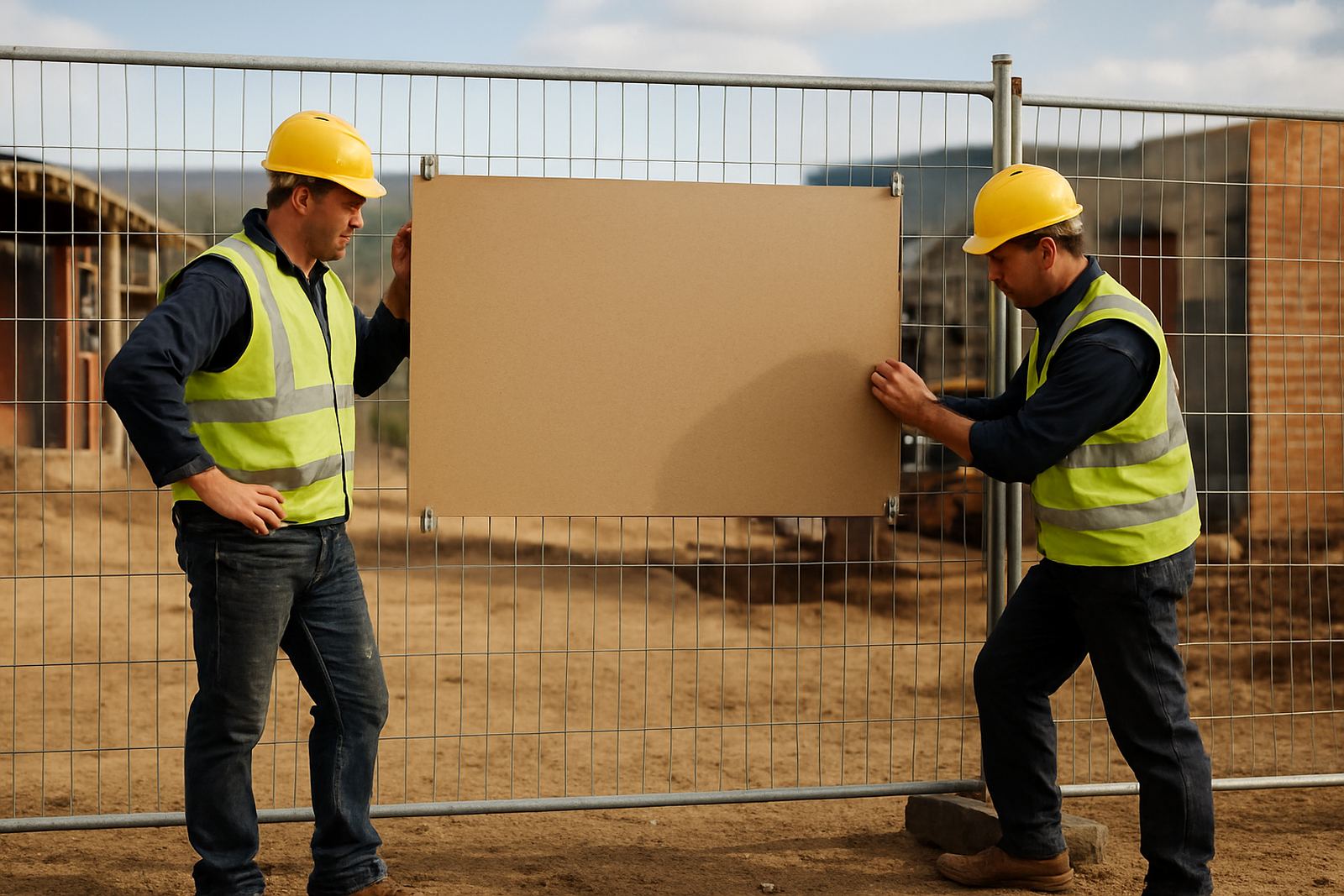
We install construction signs on fencing, walls, poles, gates and temporary hoarding. The fixing method depends on wind exposure, sign size and the life span of the project. Smaller boards can be screwed or riveted onto timber or steel, while larger signs may need framed support or galvanised posts set in concrete. If the site is on uneven ground or near a busy road, we plan the install so the sign stays upright and visible.
Most construction signs do not need electrical power or gas. They are usually passive signage, which makes them ideal for sites with limited temporary services or load-shedding challenges. If the brief includes illuminated boards, we can advise on the wiring access and maintenance points needed, but many contractor and safety signs perform well without any power at all.
- No power required for standard boards
- Optional reflective finish for after-dark visibility
- Fixings selected for timber, steel, masonry or fencing
- Can be fitted before the main build or during phased access
- Permit guidance available for roadside or municipal locations
Care, Refurbishment And Replacement Over Time
Construction sites are hard on signage. Boards get splashed with cement, scratched by equipment and exposed to UV all day. We recommend a simple cleaning routine with mild soap and water, especially on printed surfaces and reflective films. Avoid harsh solvents because they can dull the finish or lift the laminate. If a site runs for a long period, it is worth checking the boards after heavy rain or strong wind to make sure the fixings remain tight.
We also handle sign maintenance and refurbishment when a project changes phase. That can mean replacing faded information, updating contractor names, adding new safety notices or reusing a frame with fresh print. For developers and municipal teams, this is often more cost-effective than starting from scratch. It also keeps the site looking orderly, which matters when inspectors, clients or the public pass through.
In coastal humidity or on sites with heavy dust, schedule a periodic review so any peeling edges, rusted screws or damaged panels can be dealt with early. A small repair now usually avoids a bigger replacement later, and that saves downtime.
What To Check Before You Order
Before we make your construction signs, it helps to confirm the details that affect layout, compliance and durability. The best sign is the one that fits the site, the message and the way the team actually works. If the information changes often, we can design it so updates are simple and the main structure stays reusable.
- Exact wording, spelling and any mandatory safety notices
- Sign size, reading distance and where it will be viewed from
- Indoor, outdoor or roadside exposure
- Whether the sign needs reflective material or standard print
- Fixing method, posts, frames or fence mounting
- Any municipal permit needs for public-facing sites
- Whether the board must match an existing branding system
We work from our Hartbeespoort base and support sites across Pretoria, Centurion, Brits, Tshwane, Akasia, Rosslyn and Soshanguve. If you need contractor boards, warning signs or a full rollout across several entrances, send the details through the enquiry form on our contact page and we will advise on the best setup for your site.
Key facts
| Typical sizes | 300 x 450 mm up to 1200 x 2400 mm and custom |
|---|---|
| Materials | ACM, PVC board, aluminium sheet, reflective film, vinyl on rigid substrate |
| Use | Site safety, contractor identification, direction and access control |
| Mounting | Fence fixed, wall fixed, pole mounted or framed |
| Finish options | Gloss, matte, laminated, reflective |
| Service area | Hartbeespoort, Pretoria, Centurion, Brits and wider Gauteng |