Purpose-built signs for movement, safety and direction
Road signs guide drivers, pedestrians and visitors without confusion. On estates, campuses, business parks and municipal routes, the right sign helps people slow down, find entrances, follow one-way systems and stay off restricted roads. We make signs for directional control, speed management, parking areas, loading bays, access control points and public information panels.
Each sign is planned for the way people actually read it from a moving vehicle or on foot. That means the message, size, reflector choice and mounting height all matter. A sign that looks fine in the workshop can fail on site if it is too small, set too low or placed where tree cover and street lights create glare. We work from Hartbeespoort and Pretoria and install across Tshwane, Brits, Centurion and nearby areas.
For developments with mixed traffic, we can set up a full sign schedule from the first gate to the last parking bay. This is useful when a site has visitors, delivery vehicles, contractors and residents all moving through the same space. It keeps the traffic flow simple and cuts down on wrong turns and unsafe stops.
Common road sign formats and size options
Road signs are not one-size-fits-all. We supply compact signs for internal roads and larger panels for faster public routes or longer approach distances. Sizes are chosen according to the viewing distance, the speed of traffic and how much information must be shown.
- Directional panels: from 450 x 150 mm up to 1200 x 300 mm for entrances, exits and route arrows
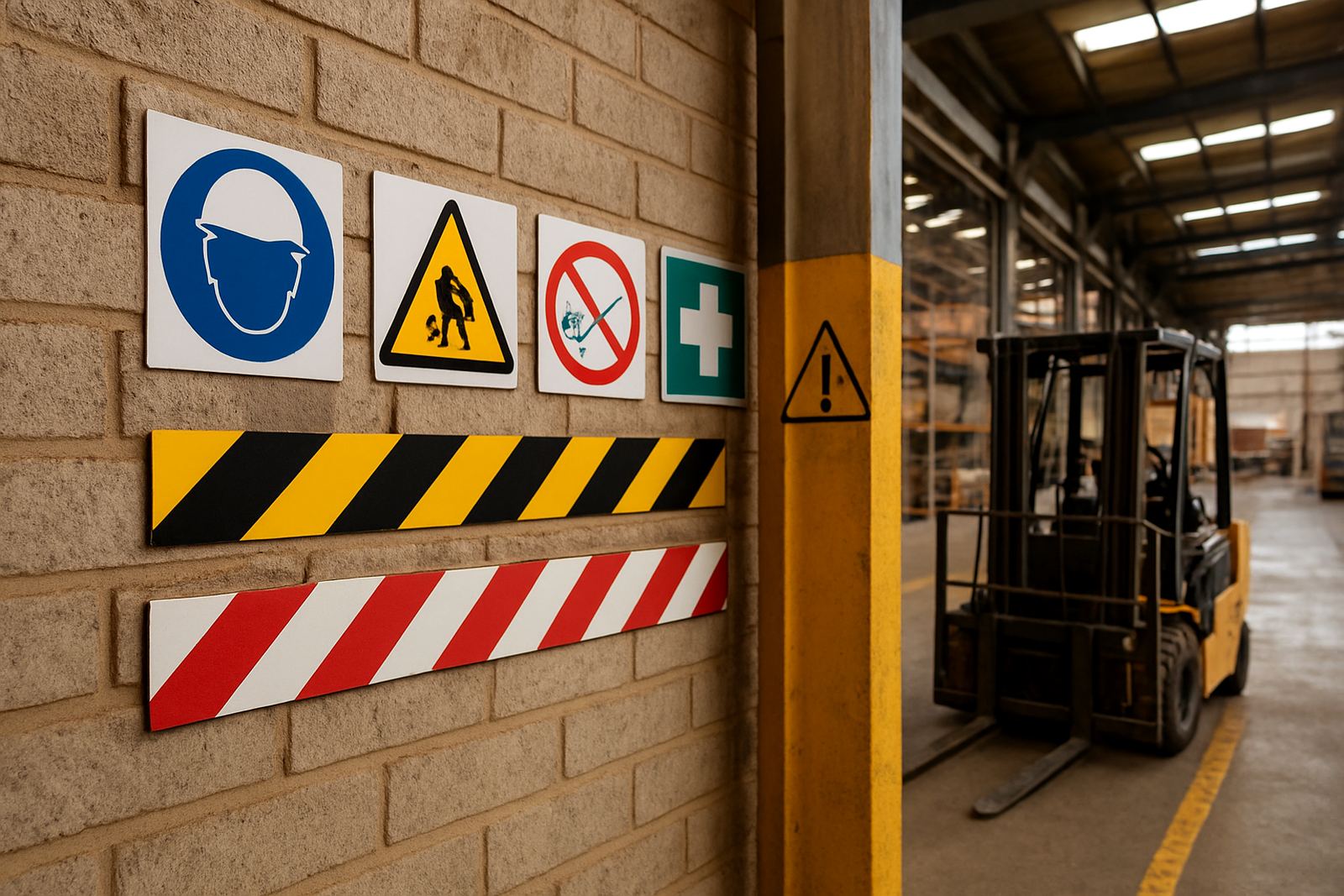
- Warning signs: standard triangles or custom warning panels for bends, crossings, speed humps and restricted access areas
- Regulatory signs: stop, give way, speed limit, no entry and no parking signs for compliance and control
- Informational signs: site maps, visitor parking, loading instructions and pedestrian guidance boards
- Reflective options: non-reflective, engineering grade reflective and higher visibility reflective finishes
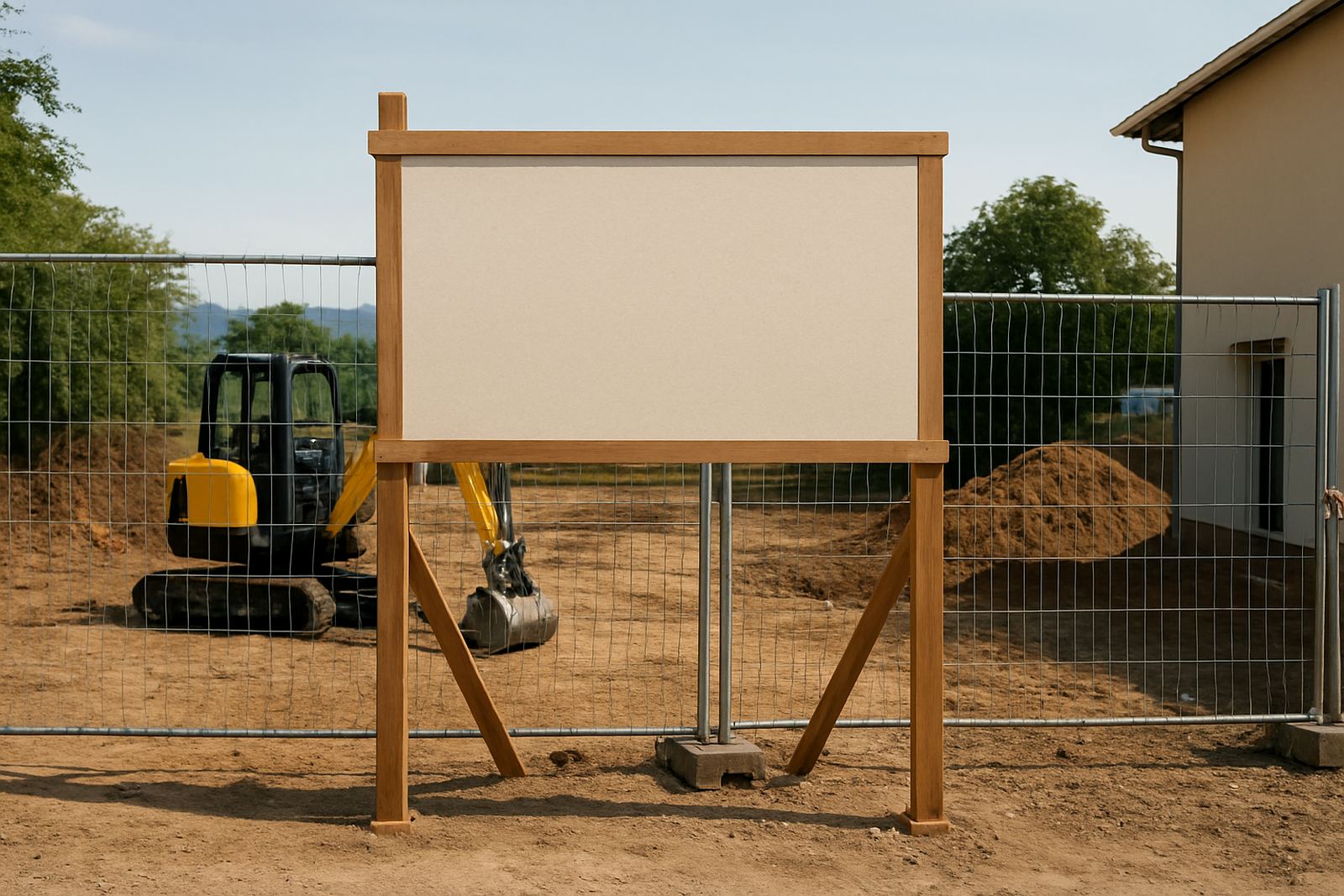
We can also produce double-sided signs, face-fixed signs, post-mounted signs and wall-mounted signs. If a site needs a run of repeat signs, such as parking bays or repeated directional boards, we keep the text layout consistent so the whole route reads as one system.
Where required, we can include logos, colour coding and numbering for estates, campuses and municipality-related wayfinding. On busy sites this makes it easier for security, maintenance teams and visitors to find the right point quickly.
Materials that suit sun, dust and coastal conditions
South African conditions are hard on signage. In Gauteng, high UV and dust can fade low-grade prints quickly. In humid or coastal conditions, moisture can affect fixings and edges if the wrong material is used. We select materials according to the site and the lifespan expected.
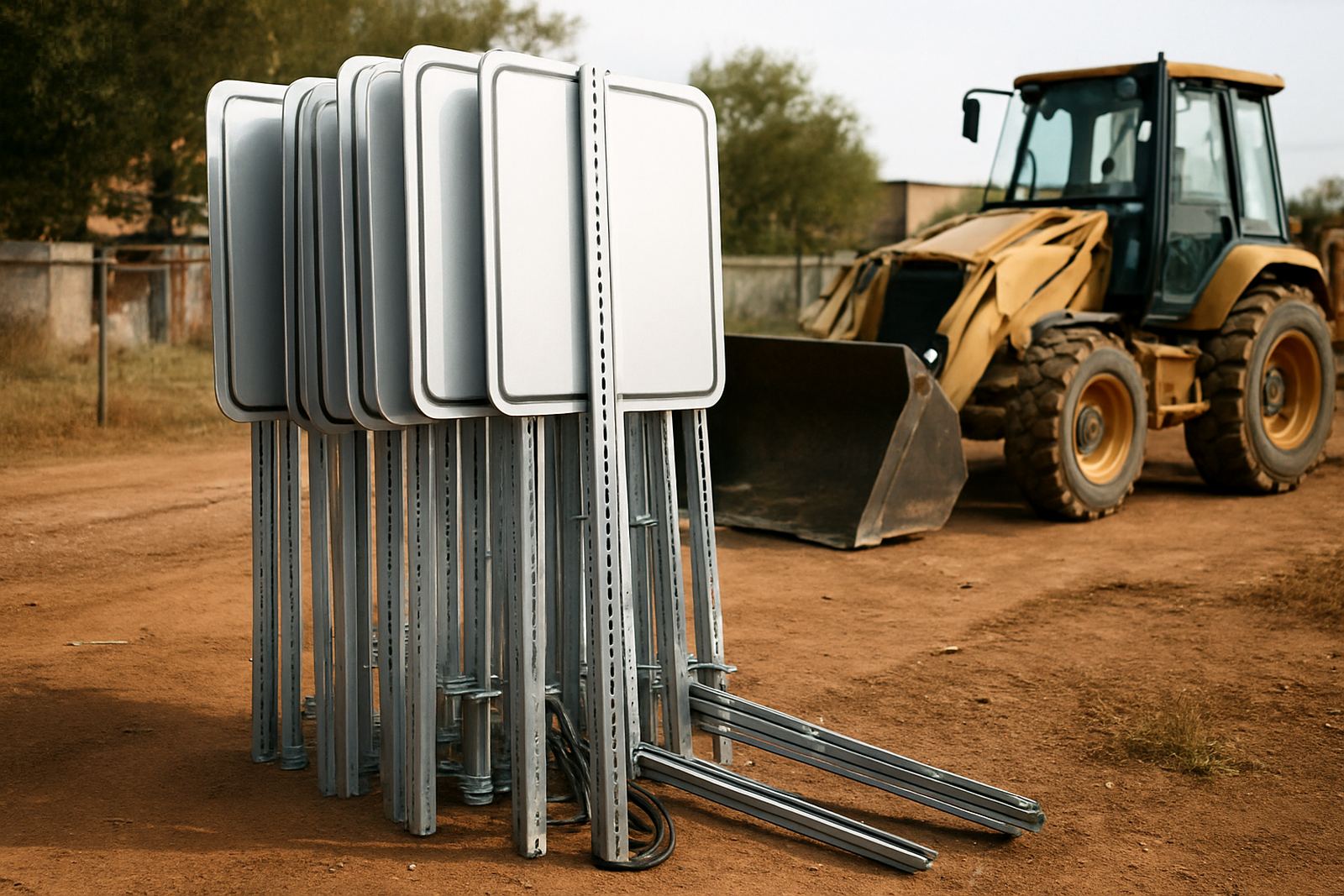
Typical road sign construction includes aluminium composite panels, aluminium sheet, galvanised steel posts and weather-resistant graphics films. For longer-life public signs, reflective sheeting is often used so the sign remains visible at night and in poor weather. For internal estate roads, durable printed panels may be enough if the speed is low and there is good ambient lighting.
Fixings are chosen for the mounting surface and wind load. That may mean masonry anchors, post clamps, U-bolts or fabricated brackets. If the sign is close to road spray or irrigation water, we allow for sealing and a maintenance gap so the board does not trap moisture at the bottom edge.
- Substrates: aluminium composite, aluminium sheet and galvanised steel
- Posts and frames: powder coated or galvanised steel
- Graphic finish: printed and laminated, cut vinyl or reflective face treatment
- Fasteners: corrosion-resistant fittings suited to the site conditions
Where road signs work best on your site
Road signs are used wherever people need to make a quick decision. On estates and campuses they guide vehicles from the gate to the correct destination. On commercial and industrial sites they control deliveries, staff parking, visitor access and service routes. On municipal and public-facing routes they help with traffic calming, public safety and route clarity.
We commonly install road signs at entrances, boom gates, junctions, pedestrian crossings, school drop-off areas, clinic access points, service yards and municipal depot roads. For a site with more than one access point, we can map out sign placement so the route is readable from each direction, not only from the main gate.
Where there are municipal rules or estate guidelines, we work to the required format and placement notes so the sign fits the approved layout. That matters for developments in Tshwane and surrounding areas where access control, public safety and road marking standards are checked closely.
- Estates and residential access roads
- Schools, colleges and training campuses
- Industrial parks and logistics yards
- Municipal routes, depots and public service areas
Installation, fixings and power needs
Most road signs do not need power. A standard directional, warning or regulatory sign is a passive installation and only needs the right post, bracket or wall mount. Where a sign includes illumination, solar assistance or electronic display components, we plan for the power supply, cable route and any battery space needed.
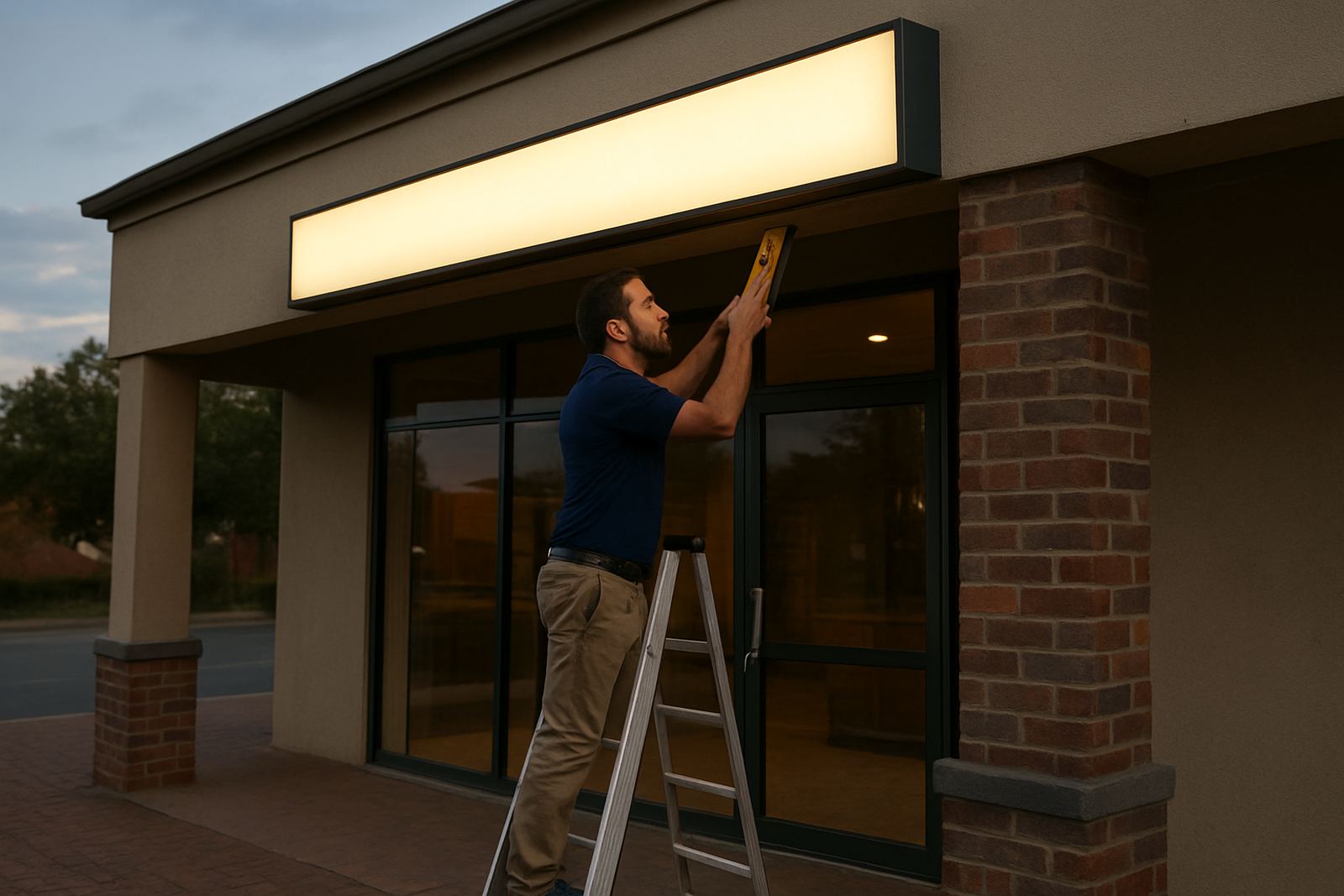
Installation starts with a site survey so we can check clearances, surface type, underground services and safe access for drilling or post setting. On a new estate or campus, it is best to confirm sign positions before paving and landscaping are completed, because that saves cutting into finished surfaces later. In older areas, we also check for uneven surfaces and low branches that may hide the sign from view.
Our installation team handles mounted signs, post setting and final alignment. If the route has night-time traffic or poor lighting, we can recommend reflective faces or added illumination. In areas with load-shedding, reflective materials are often the simplest and most reliable option because they do not depend on a power feed.
- Power needs: none for standard signs, optional for illuminated or electronic units
- Site checks: clear sight lines, mounting height, setback from kerb and traffic flow
- Access needs: safe work area for ladders, drill equipment and post setting
Care, servicing and replacement planning
Road signs work best when they are checked before they become unreadable. Dust, sun, scratches, faded print and bent posts can all affect how a sign performs. In busy sites, a seasonal inspection is usually enough. On public routes or high-traffic sites, signs may need more regular checking.
We can maintain signs that have been knocked by vehicles, faded by weather or damaged during site works. That may include face replacement, post repair, re-securing loose brackets or full refurbishment if the base structure is still sound. If a sign has been hit several times, it is often more cost-effective to replace the panel and bracket together than to keep patching the same point.
For estates and municipalities, keeping a small stock of standard panels can reduce downtime. This is useful for repeated items like stop signs, speed limit boards and directional panels because one damaged sign should not slow down the whole site. Regular servicing also helps keep the site tidy and compliant, which matters when visitors and contractors rely on the signs to move safely.
What to check before you order road signs
Good ordering starts with clear information. If the brief is vague, the sign can end up the wrong size, too wordy or mounted in the wrong place. We help clients confirm the message, size and mounting method before manufacture so the finished signs suit the site and the traffic speed.
Please have the following ready where possible:
- Exact wording for each sign, including arrows, numbers and line breaks
- Approximate viewing distance and whether the sign will face pedestrians, slow traffic or faster vehicles
- Mounting preference, such as post-mounted, wall-mounted or bracket-fixed
- Site conditions, including sun exposure, dust, moisture and any risk of vehicle impact
- Any approval rules, estate guidelines or municipal requirements that must be followed
- Quantity needed, including spares for future maintenance or phased rollouts
If you are not sure which format is best, we can help from the concept stage through artwork prep, fabrication and installation. HM Graphics & Signs works with retailers, brands and municipalities from our Hartbeespoort base serving Pretoria and the wider Gauteng area, so we are used to sign projects that need to be practical, compliant and ready for daily use.
Key facts
| Product type | Traffic, directional and public guidance road signs |
|---|---|
| Typical sizes | 450 x 150 mm to 1200 x 300 mm, plus custom formats |
| Materials | Aluminium composite, aluminium sheet and galvanised steel |
| Mounting options | Post-mounted, wall-mounted, double-sided and bracket-fixed |
| Visibility options | Non-reflective, engineering grade reflective and higher visibility reflective finishes |
| Service area | Hartbeespoort, Pretoria, Centurion, Brits, Tshwane and Gauteng |