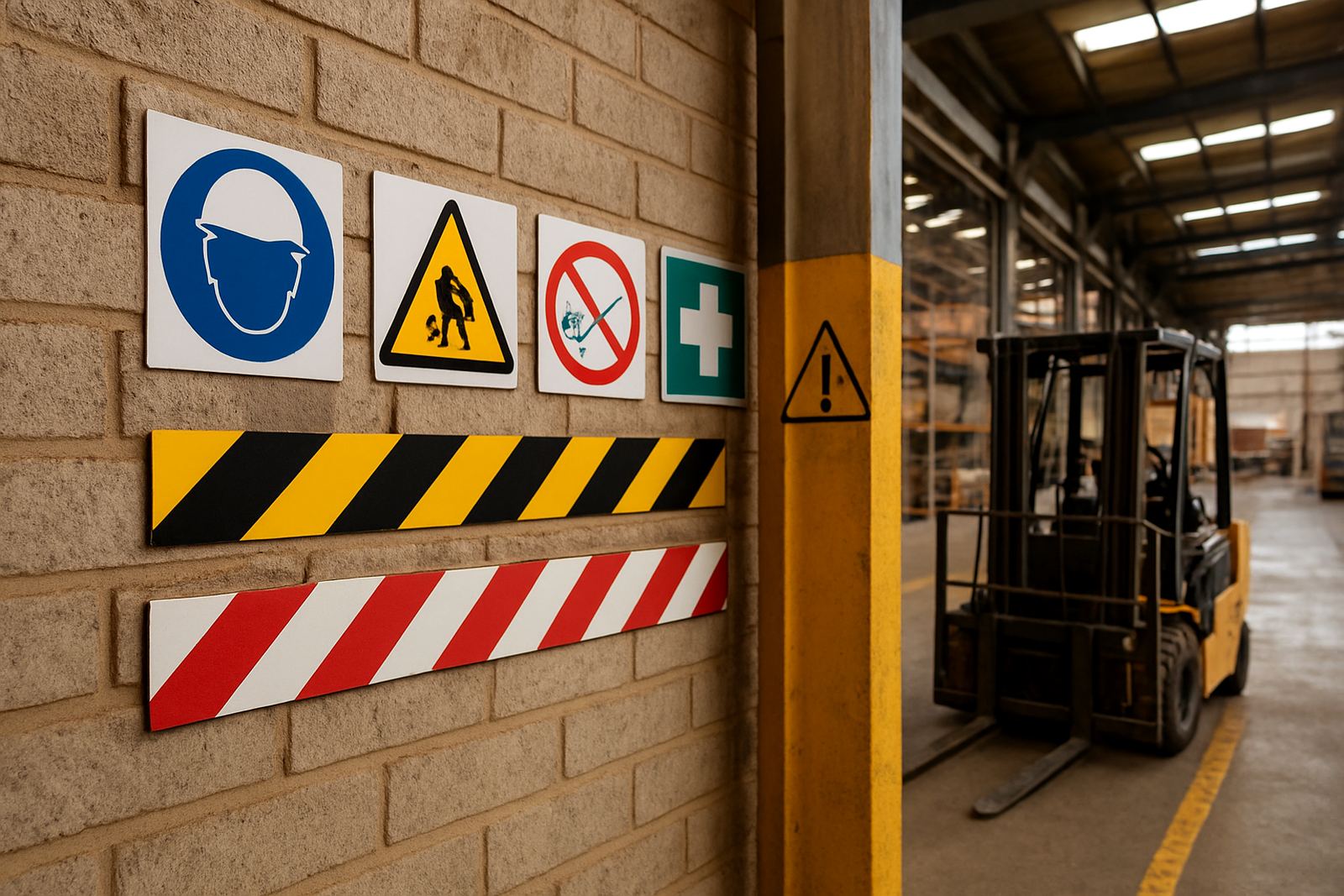
Clear safety signs for busy sites and compliance needs
Safety signage is used to warn, instruct and control movement where people, vehicles and equipment share the same space. It includes hazard warnings, PPE notices, restricted access signs, emergency exits, fire point markers, assembly point boards, machine warnings and contractor notices. On a proper site, these signs do more than tick a box, they reduce confusion during peak hours, load-shedding changeovers and shift handovers.
We produce safety signage for factories, warehouses, retail back areas, schools, clinics, municipal facilities, construction sites and public venues. The right set depends on your risk areas, traffic flow and whether the signs will be read indoors, outdoors or in low light. For sites in Hartbeespoort, Pretoria, Centurion, Brits and Tshwane, we also factor in dust, sun exposure, wind and coastal humidity carried inland on some routes.
Common formats, sizes and material choices
Signs can be made as flat panels, wall-mounted boards, hanging signs, directional arrows or floor markers. We cut and print to the size that suits the viewing distance. A small internal warning may only need 150 x 200 mm, while a yard or plant entrance often needs 600 x 900 mm or larger so motorists and forklift operators can read it in time.
Typical options include rigid PVC, aluminium composite, acrylic, self-adhesive vinyl and laminated print for short term use. For outdoor use we often recommend UV-stable print on rigid board or metal-backed panels. Where a site needs repeated cleaning or exposure to oil and dust, a harder surface helps the sign last longer. Finishes can include gloss, matt or reflective material for low-light conditions.
- Indoor notice boards for workshops and offices
- Outdoor hazard signs for yards, loading areas and gates
- Reflective warning signs for night visibility
- Floor graphics for walkways, queues and exclusion zones
Where safety signage works best on site
The best signage is placed where decisions are made. That means at entrances, at eye level near hazards, beside doors, at access controls, on fences, near machinery and at the point where PPE must be worn. If staff must stop and think before entering an area, the sign should already be visible before they reach the risk. This is especially useful on contractor sites with changing layouts and temporary barriers.
We help clients map signs for production lines, parking areas, walkways, store rooms, generators, chemical zones, fire equipment and public areas. Where there are multilingual teams or visitor traffic, simple pictograms and short wording work best. A site with good signing tends to run cleaner because people can see what is expected of them without asking every time.
- Workplaces and factory floors
- Depots, yards and loading bays
- Schools, clinics and public buildings
- Construction sites and temporary works areas
- Retail back-of-house and stock rooms
Installation, fixing methods and site requirements
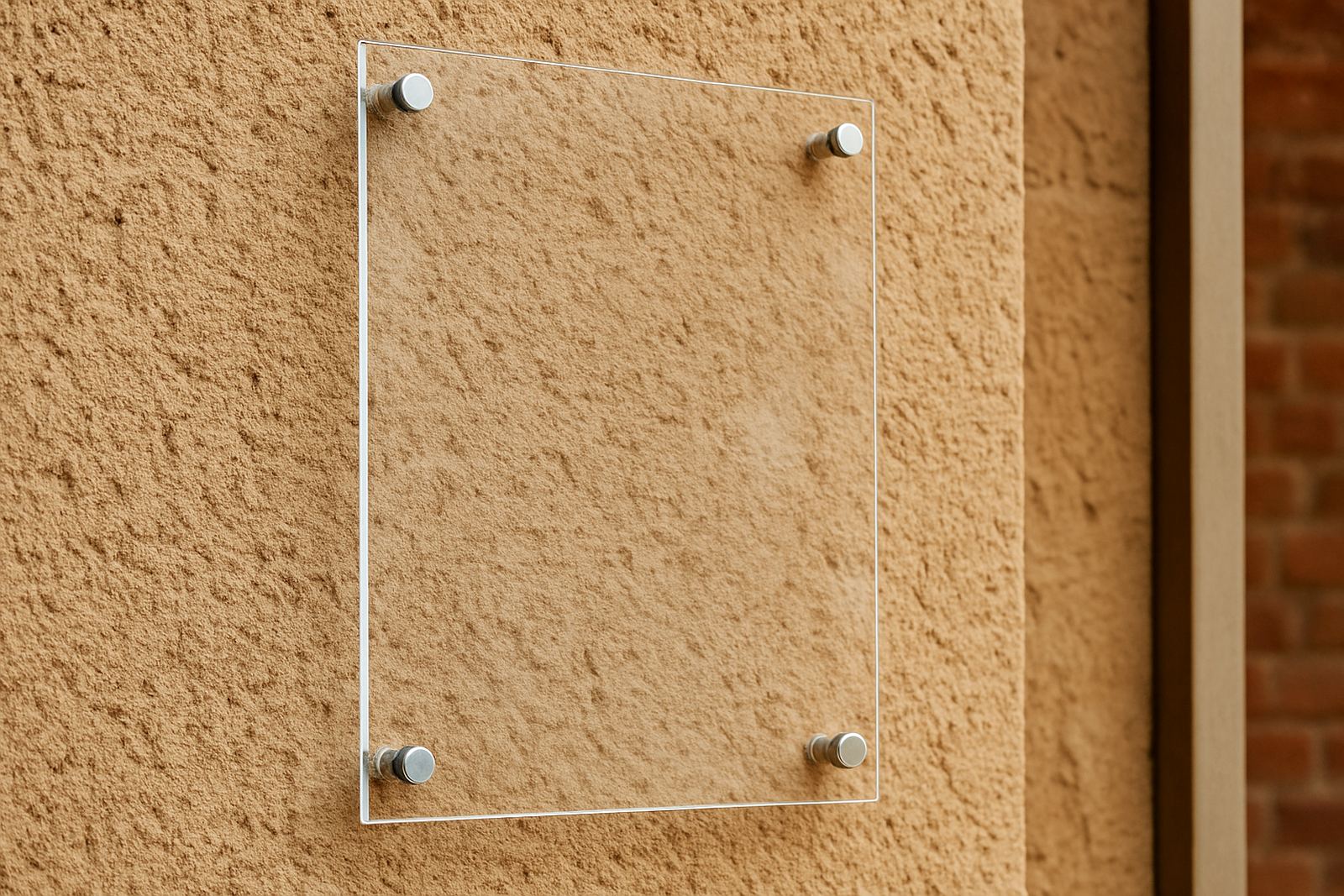
We install safety signage with the fixing method that suits the surface and the environment. That may mean screws and plugs into masonry, rivets on metal frames, high-bond tape on clean interior surfaces, or stand-off mounts where the sign must sit off the wall. For temporary campaigns or project sites, signs can also be made for quick removal and re-use. Proper installation matters because a sign that falls, curls or fades becomes part of the hazard.
Most safety signs are passive and do not need any electrical supply. The main exception is where clients want illuminated exit boxes, backlit panels or lighted emergency indicators. Those require a safe electrical connection and should be planned with the site electrician or facilities team. In hot plants or near gas lines, we use materials and mounting positions that avoid heat exposure and do not interfere with access. If there are sprinkler lines, security beams or access gates, the sign layout should be checked before fixing starts.
How to keep signs readable and in good condition
Safety signage should be easy to read at all times. Dust, chemical mist, sunlight and repeated touching can all reduce visibility. A simple wipe-down with mild soap and water is usually enough for most rigid signs. Avoid harsh solvents on printed graphics unless the material is made for that type of cleaning, as they can dull the finish or lift the laminate. On outdoor sites, a regular inspection once a month helps catch loose fixings, cracked panels or faded wording before they become a problem.
For signs near machinery or vehicle routes, check for impact damage, vibration and any build-up of grime. In coastal or humid conditions, fixings can corrode faster than the sign face, so it is worth checking screws, washers and frames at the same time. If you have an existing sign set that needs refreshing, we can remake only the damaged sections or update wording when safety rules change.
What to confirm before placing an order
Before ordering safety signage, it helps to know exactly where each sign will go and what it must communicate. Some sites need a standard set, while others need a custom layout to match the movement of vehicles, staff and visitors. If you send us photos or a marked site plan, we can advise on placement and the right sizes. That saves time and avoids signs being too small, too high or hidden behind equipment.
Please check the following before you place the order:
- Exact wording, symbols and any required languages
- Sign size and viewing distance
- Indoor or outdoor use
- Fixing surface, such as wall, gate, fence or floor
- Need for reflective, matt or laminated finish
- Whether the sign must meet a site rule or municipal requirement
If your site has several hazard areas, we can group the order so all signs match in colour, size and wording. That makes maintenance simpler and keeps the site easy to read for staff and contractors.
Key facts
| Product type | Compliance, warning and directional signage |
|---|---|
| Common sizes | 150 x 200 mm to 600 x 900 mm and custom |
| Materials | PVC, aluminium composite, acrylic, vinyl and reflective media |
| Finish options | Gloss, matt, laminated or reflective |
| Mounting | Screws, rivets, adhesive tape or stand-off fixing |
| Power or gas needs | Normally none, except illuminated signage requiring electrical connection |