
Confirm the site, access route and contact person
Before installation day, make sure the team knows exactly where to go and who will meet them. On busy sites in Pretoria, Centurion or around Hartbeespoort, a simple access mix-up can cost hours, especially if security needs advance notice or delivery vehicles must use a specific entrance. A named contact person on site helps the crew get started without waiting around.
It also helps to send clear directions for the final approach, not only the street address. If the site has boom gates, loading bays, shared parking, or narrow access roads, say so in advance. For industrial areas like Rosslyn and Akasia, this is important where truck movement, shift changes and security checks can slow things down. One small detail like a locked gate or no one answering the phone can hold the whole job up.
- Share the exact site address and the best gate or entrance to use.
- Give the name and number of the person who will be on site.
- Tell the team about security sign-in, parking rules and delivery hours.
- Flag any height limits, low cables, narrow passages or one-way access.
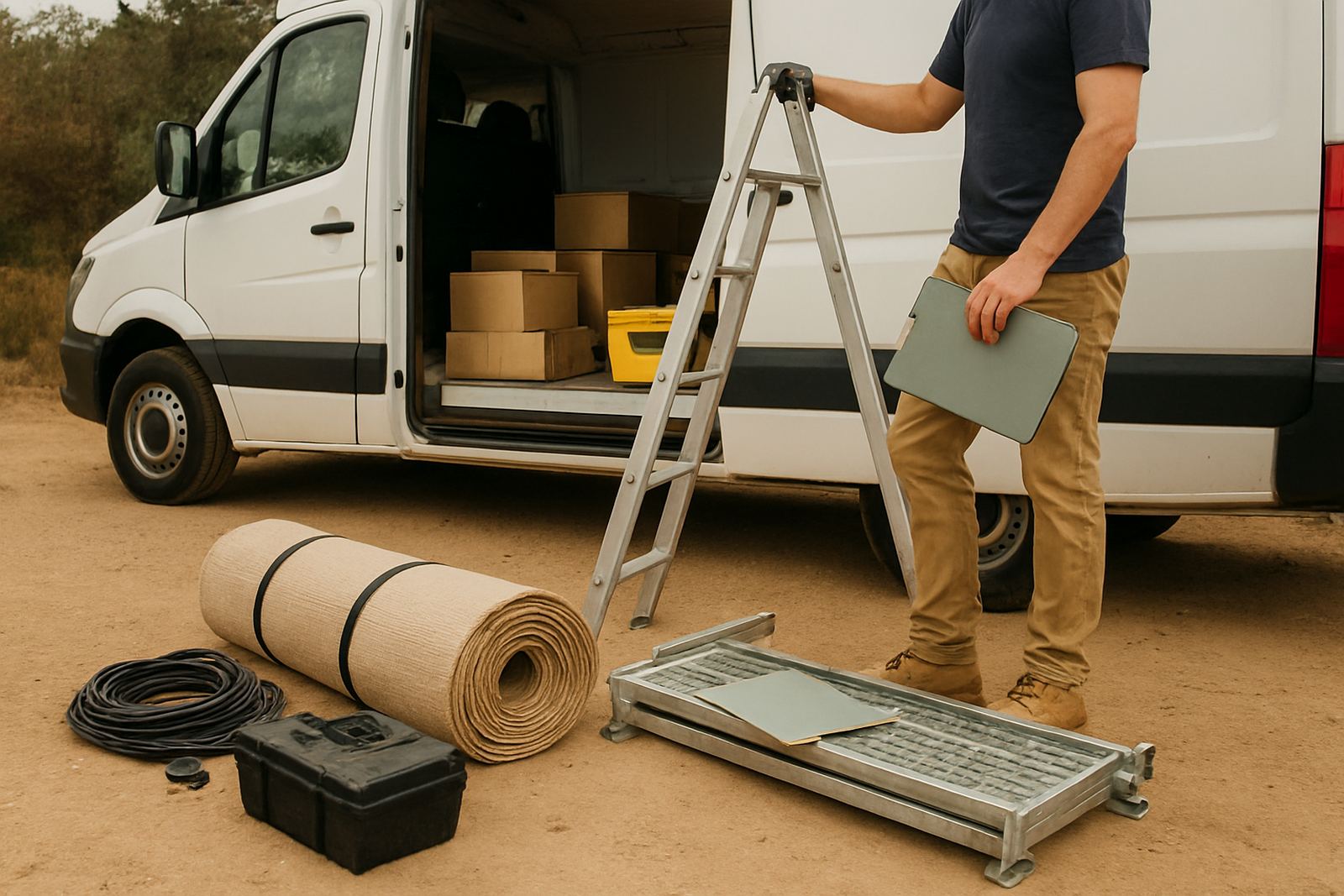
Clear the work area before the first ladder comes off the truck
The fitter needs space to work safely and accurately. Remove stock, displays, loose furniture, parked vehicles and any temporary items that could block access to walls, pylons, windows or vehicle bays. If the sign is going onto a retail frontage, try to keep the area in front of the shop clear from opening time, and let staff know where not to stand while drilling or measuring is in progress.
Inside or outside, dust and clutter make the job slower and less accurate. On tiled or freshly painted surfaces, small debris can affect the finish and can even damage vinyl or printed material during handling. If the installation is happening at a municipal site or public-facing area, a tidy space also helps keep the public safe and shows that the project is being managed properly.
- Move vehicles away from the installation zone.
- Remove loose stock, bins, signage and portable items.
- Keep staff, customers and pedestrians a safe distance back.
- Make sure the wall or mounting surface is reachable from start to finish.
Check power, lighting and load-shedding plans
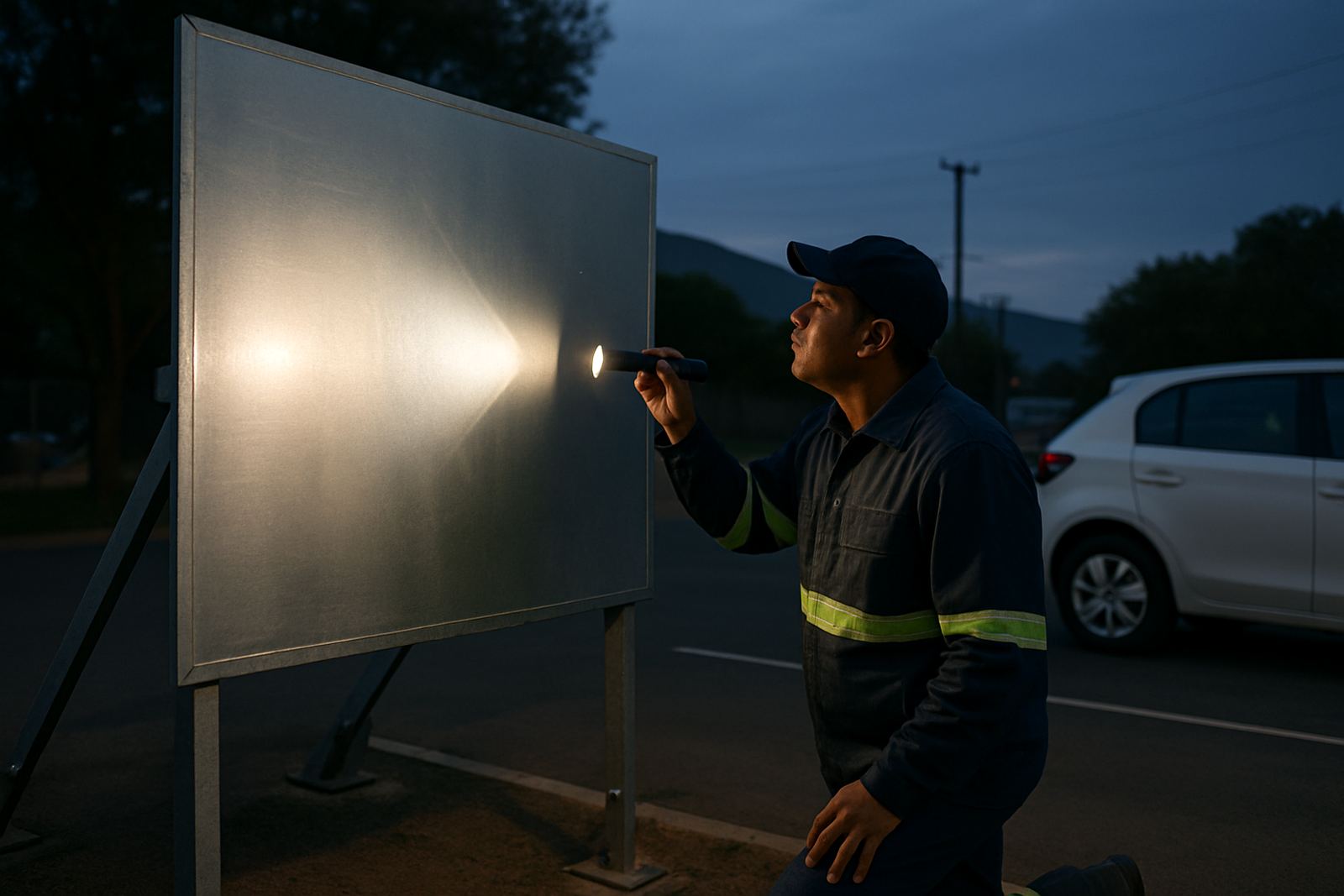
Many signage jobs depend on power for tools, testing or final checks. If the site has no electricity, or if load-shedding is expected, let the installation team know beforehand so they can plan around it. In some cases, battery tools or extra testing time may be needed. For illuminated signs, it is better to test the wiring and switching conditions properly than to discover a problem after the crew has packed up.
Good lighting matters too, especially for early morning starts, under-canopy work, or indoor sites with poor daylight. A site that is dark or half-lit can slow down alignment and make small marks hard to see. If the work will happen after hours, make sure security and emergency lighting are sorted out and that the crew has safe access when leaving. A power cut at the wrong time can mean more time on site and a return visit the next day.
- Tell the team if load-shedding affects the site on installation day.
- Check that power points are accessible if testing is needed.
- Arrange temporary lighting where the work area is dim.
- Let the crew know if after-hours access needs to be arranged.
Get permissions, permits and approvals out of the way early
Some signs need written approval from a landlord, body corporate, shopping centre management or the local authority. If your project falls under municipal advertising rules or property guidelines, do not leave this until the last minute. A sign can be fully made and ready, but it still cannot go up if the paperwork is missing. That is one of the most common reasons for delays on commercial jobs.
If the installation involves roadside visibility, fascia changes, pylons, window branding or work near public pavements, ask early about the required permissions. This is especially useful for sites in Tshwane and around high-traffic commercial areas where signage control is taken seriously. HM Graphics & Signs can assist with permit-related steps where needed, but the client or property manager often still needs to approve the final location. A quick sign-off process keeps the schedule moving.
- Confirm who must approve the final sign position.
- Check landlord, centre management or municipal requirements early.
- Keep copies of written approval and site instructions ready.
- Make sure any shared building rules are passed on to the installer.
Measure twice, then walk the route from the parking bay to the wall
Before installation day, it helps to walk the route the crew will use from the gate or parking bay to the exact fixing point. This matters when carrying long panels, printed boards or frame sections. In older buildings around Pretoria and Hartbeespoort, stairs, uneven paving, tight corridors or low ceilings can all affect how equipment is moved. If the path is awkward, the team may need extra hands or a different delivery plan.
Also check the surface where the sign will be mounted. If the wall is cracked, damp, freshly painted or uneven, say so before the team arrives. Coastal humidity is not the only issue in South Africa, inland moisture and weather exposure can still affect adhesion, drilling and finishing. A wall that looks fine from a distance can hide weak plaster, rusted steel or water damage close up.
- Walk the route from entry point to installation area.
- Point out stairs, lifts, low beams and tight turns.
- Check for damp, peeling paint, cracks or corrosion on the mounting surface.
- Tell the team if access requires a second person to help carry materials.
Prepare staff, tenants and customers for the disruption
Even a short installation can create noise, dust and movement in a busy space. Let staff or tenants know when the work will happen so they can plan around it. In retail sites, this may mean shifting customer flow away from the work area for a few hours. In office parks or municipal buildings, it may mean warning reception, security and facilities teams in advance. A little communication prevents awkward interruptions and keeps the atmosphere calm.
If the installation is part of a campaign rollout across several branches in Tshwane, Brits or Centurion, it helps to give each site the same instructions. That way, every branch is ready with the same access, the same contact person and the same approved placement. Campaign work usually moves faster when each site knows its role before the truck arrives.
- Tell staff and tenants the date, time and expected duration.
- Warn customers or visitors if part of the frontage will be blocked.
- Keep reception, security and cleaning staff informed.
- Use the same preparation notes for multi-site rollouts.
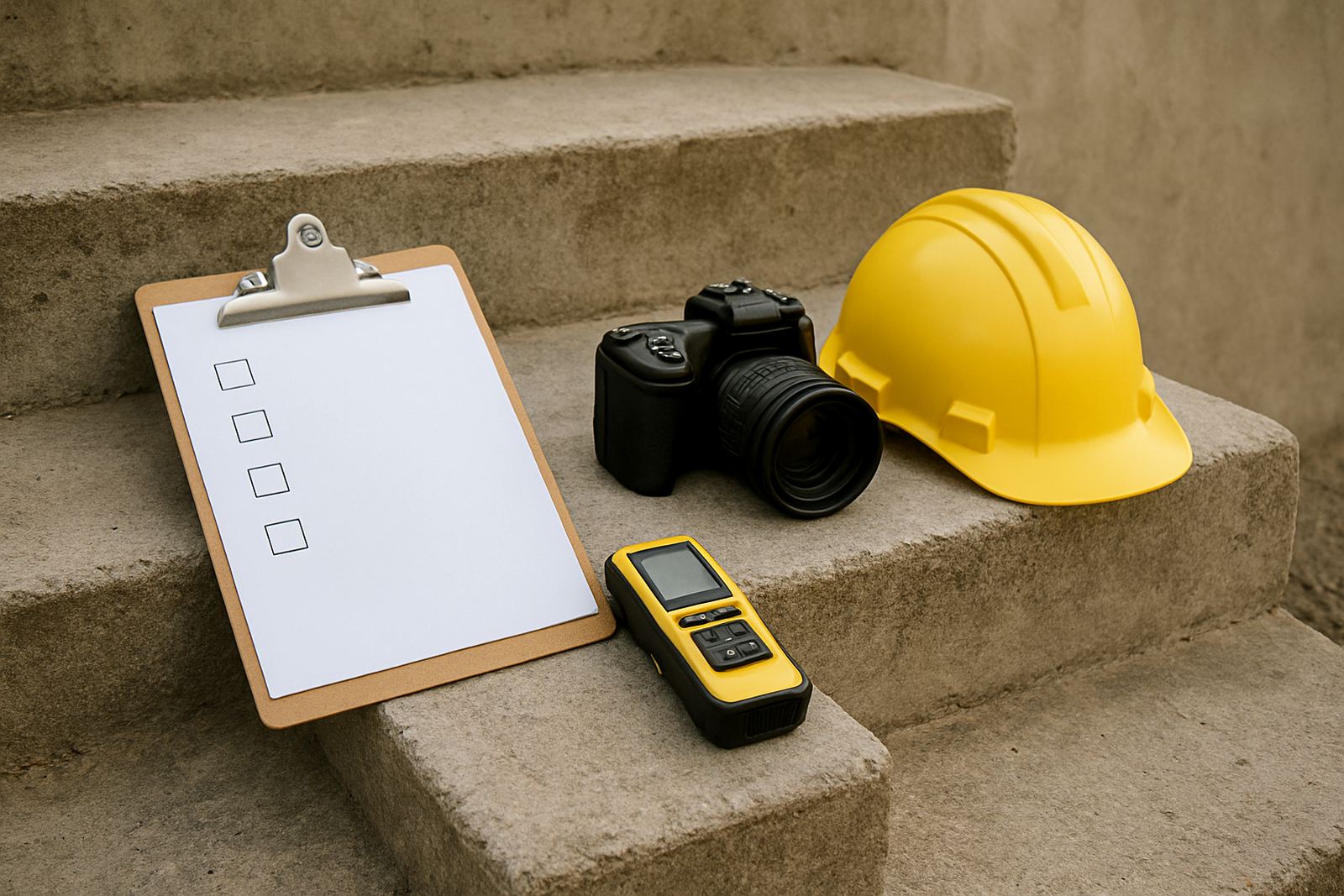
Do a final checklist the day before, not on the morning of
The best time to catch a missing detail is the day before installation. Check that the site is ready, the contact person is available, the area is clear and any approvals are in place. If something has changed, send it through immediately. A last-minute surprise, like a locked site or an unpainted wall, can turn a simple fitting into a return trip and added cost.
For clients in Hartbeespoort, Pretoria and the wider Gauteng area, this final check is often the difference between a smooth install and a delayed one. When the groundwork is done well, the fitting team can focus on alignment, finish and safety instead of chasing missing information. It saves time for everyone and helps the sign go up properly the first time.
- Confirm the date, time and access arrangements.
- Make sure the site contact will be available.
- Check that the mounting surface is ready and approved.
- Keep the area clear and safe until the job is complete.