Why a site survey changes the final sign price
A sign can look simple on paper, then turn into a different job once we are standing at the site. The survey tells us what the wall is made of, how high the sign must sit, whether a crane or tower is needed, and how much time installation will take. That is why the final price only settles after the site check, not before.
For retailers, brands and municipalities, this step also helps avoid rework. If the location has uneven walls, old fixings, low ceilings, or tight access, we can plan the right fabrication method from the start. It saves money and it keeps the programme realistic.
In Hartbeespoort, Pretoria and the surrounding Gauteng areas, we also look at practical conditions like heat, wind exposure, afternoon storms and dust. Those details affect material choice, adhesive performance and the type of support we specify.
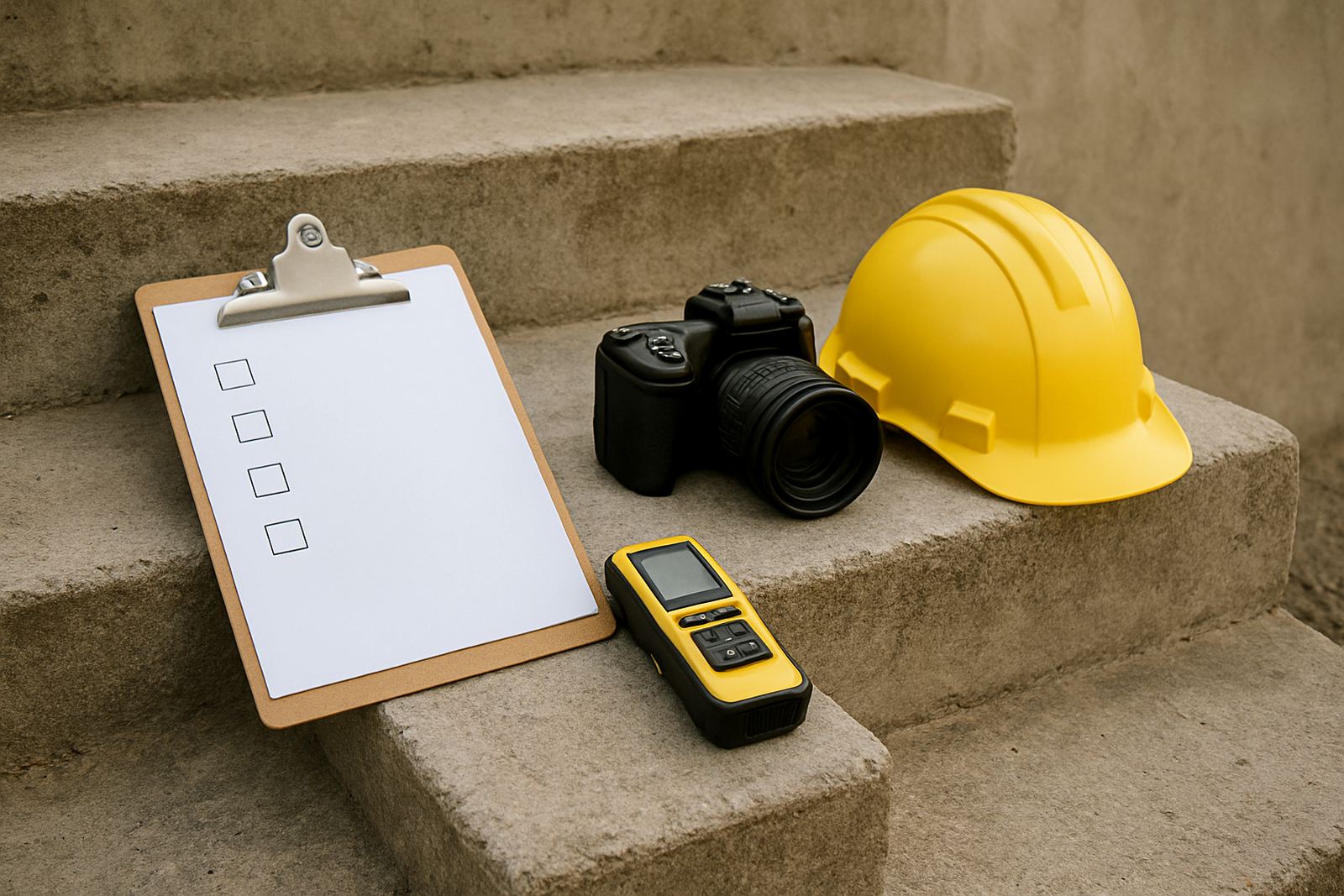
What we measure on the day
A proper survey is more than taking a quick width and height. We measure the area, check clearances and confirm where the sign can safely sit without blocking entrances, lights, sprinklers or CCTV. If it is a fascia sign, we look at the usable face size and any joins or service access behind it.
- Exact mounting area in millimetres and metres
- Height from ground level to the fixing position
- Wall material, cladding type or structural frame
- Available access for ladders, scissor lifts or cherry pickers
- Nearby obstructions such as trees, pipes, cables and signage already in place
- Power points or lighting access if the sign is illuminated
We also confirm the viewing distance. A shopfront sign in Centurion needs a different letter height than a directional sign inside a municipal building in Tshwane. If the message is too small, people miss it. If it is too large, it can overwhelm the frontage and cause approval problems.
Checking the wall, roof or ground before fabrication
The fixing surface matters just as much as the artwork. A brick wall, steel frame, concrete plinth and aluminium composite face all need different fasteners and sometimes different sign construction. Coastal humidity is not the issue in Hartbeespoort, but moisture, heat and UV still matter on exposed sites. Indoor sites face a different set of issues, especially where aircon, dust or cleaning chemicals are involved.
We check for cracks, soft plaster, loose cladding, corrosion and previous drill holes. If the surface is unstable, we may recommend a backing frame, standoff system or a revised fixing method. That protects the sign and reduces the chance of failure after installation.
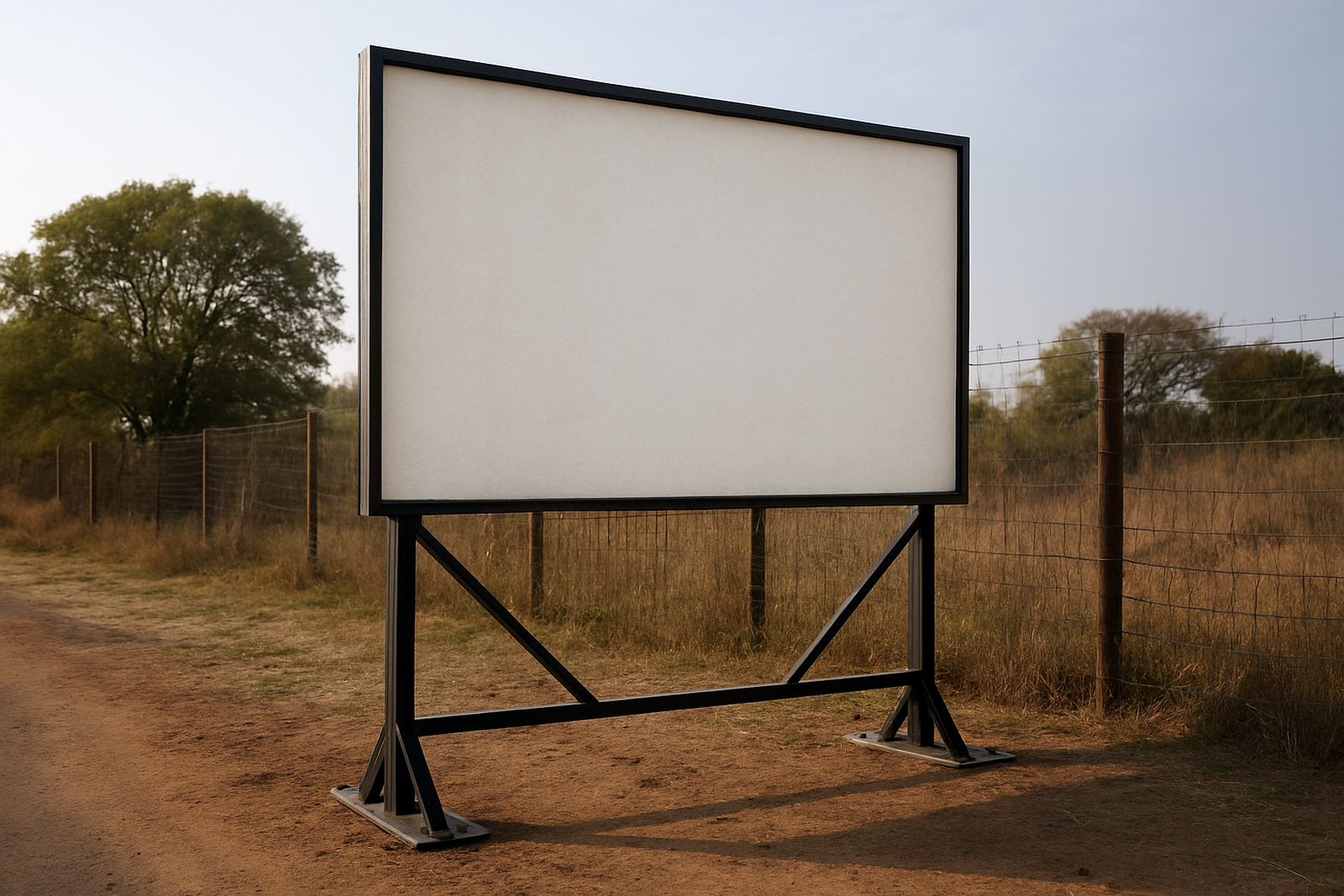
On roof and pylon jobs, we also look at wind load, base condition and maintenance access. A sign that will be serviced later must be designed so a technician can reach it without damaging the structure. That is something many people only discover after the first fault.
Access, safety and installation logistics
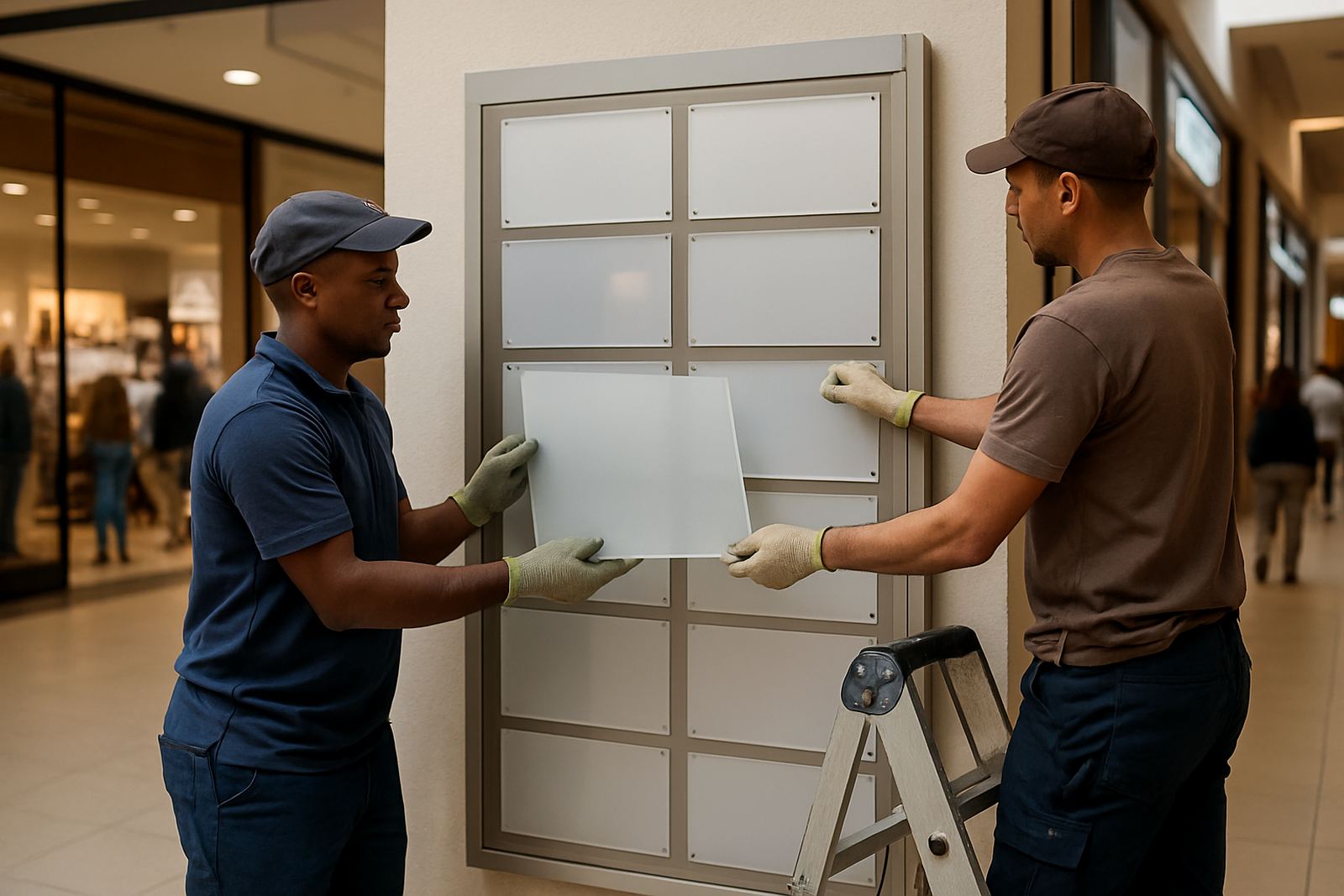
Access can change a straightforward job into a much bigger operation. A storefront in Rosslyn with a clean loading bay is very different from a site with security checks, limited parking and no place to stage materials. We plan how the team will enter, unload and work without holding up staff or customers.
We also check safety requirements before installation day. That includes overhead hazards, working at height, electrical isolation, traffic control and any site inductions that must be completed. On busy roads or municipal premises, we may need to time the work around trading hours or public movement.
- Can a vehicle park close to the work area?
- Is there enough space to assemble ladders or access equipment?
- Will the site need cordoning off during installation?
- Are there security procedures or permit conditions to follow?
- Can the job be done in one visit, or does it need phased installation?
Good planning reduces delays and keeps the site safe. It also helps us confirm whether the quoted labour is correct for the job, not just guessed from a photo.
Permits, landlord rules and municipal approvals
Some signs need approval before they can be made or installed. This is common on municipal properties, retail centres and visible roadside sites. Depending on the location, there may be landlord rules, building control requirements or municipal signage by-laws to consider. A site survey gives us the facts we need to guide that process.
We check whether the sign is on private property, a shared building, a fenced public area or a roadside position. That affects what paperwork is needed and who must sign off. For a municipality or public-facing project, it is important to know early if the sign size, placement or illumination needs permission.
Where permit assistance is required, the survey record helps support the application with correct dimensions, photos and position details. That avoids back-and-forth later when fabrication has already started.
Artwork, lighting and visibility checks
A survey is also where we confirm if the artwork will actually work on the site. A logo might look fine on a screen, but once it is scaled to a shopfront or vehicle, the contrast, spacing and legibility may need adjustment. We check line of sight, daylight glare and nearby colours that could weaken the message.
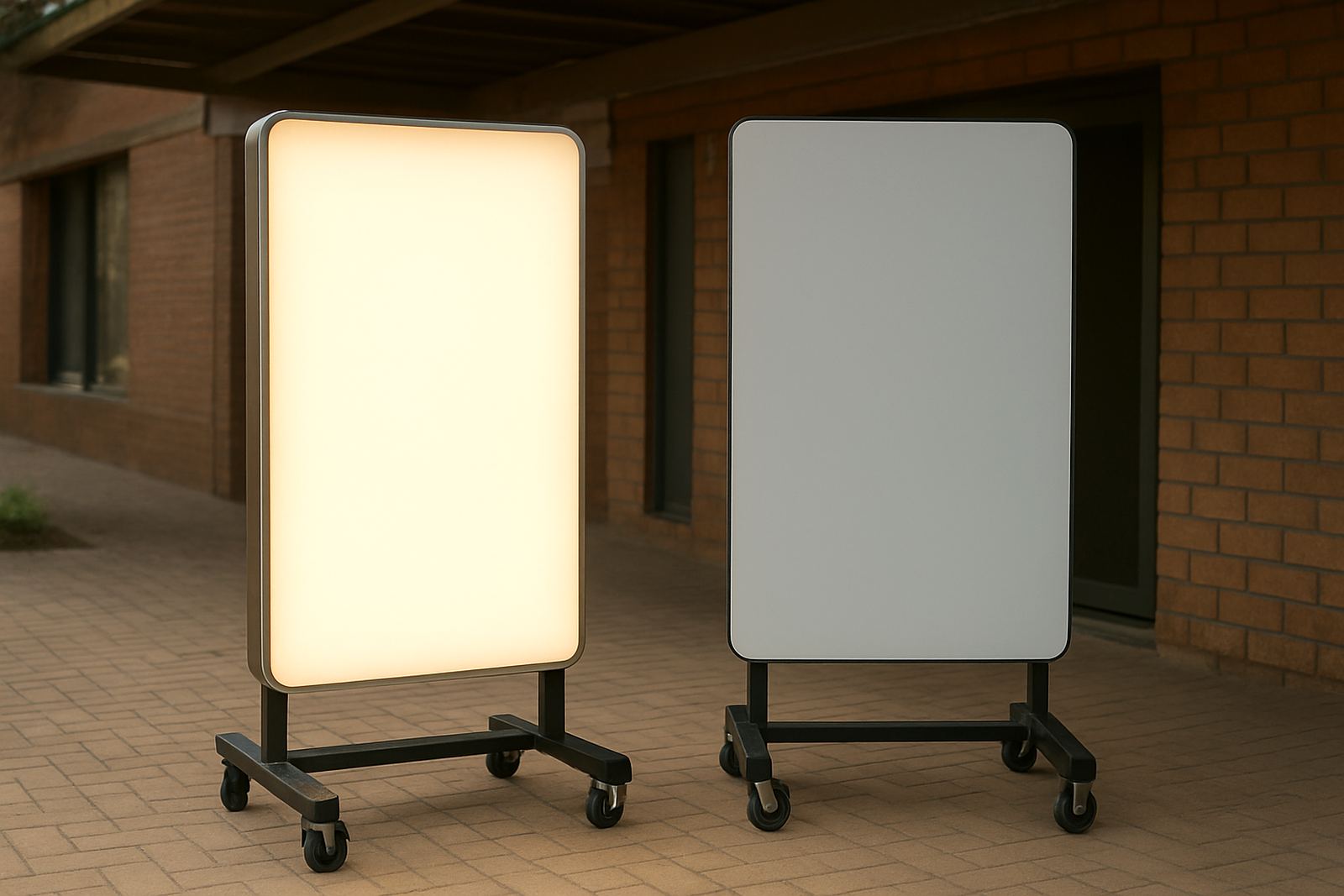
If the sign is illuminated, we look at power supply points, cable routes and whether there is enough space for maintenance access. In load-shedding areas, clients often ask how visible the sign will be when the power is off. That is useful to know before production begins, especially for businesses that trade into the evening.
For vehicle branding and campaign rollouts, we also note body shape, rivets, handles and service doors. These details affect vinyl cutting, panel sizes and where text can sit without lifting later.
A local example from Pretoria and Hartbeespoort
A Pretoria retailer may ask for a new fascia sign and window vinyl at short notice. After the survey, we might find that the wall is uneven, the old sign brackets are too close together, and the parking area only allows early morning access. That changes the fabrication method, the installation plan and sometimes the date.
In Hartbeespoort, the same type of job might face a different challenge. The frontage could be exposed to strong sun and afternoon wind, which means the material choice and fixing method must be adjusted. On a municipal site in Tshwane, the focus may be on approvals, safe public access and clear directional visibility.
That is the value of the survey. It turns a broad request into a practical job plan with correct pricing, a realistic lead time and a sign that fits the site properly the first time.