The first quote is only the starting point
When people compare sign prices, they usually look at the fabrication figure first. That makes sense, but it leaves out the costs that follow after installation. A sign that looks affordable upfront can become expensive if it fades quickly, needs regular fixing, or was installed without thinking about wind, sun and water exposure.
In Hartbeespoort, Pretoria and the surrounding areas, we see the same pattern across retail centres, municipal sites and roadside branding. A sign exposed to strong sun and seasonal storms will age differently from one under cover. If it sits near a busy road, it may also need stronger mounting and more frequent cleaning because dust builds up fast.
Lifecycle cost is the full amount you spend to get useful service from a sign. That includes planning, design, permits where needed, manufacturing, fitting, upkeep and eventual removal or replacement. Once you look at it that way, the right choice is often the one that lasts longer and costs less over time.
What adds to signage costs after installation
Some costs are easy to predict, others only show up once the sign is in use. If you are budgeting for a new rollout, it helps to list every stage instead of treating installation as the finish line.
- Site surveys and measurements before manufacture
- Artwork prep and design changes for print and fabrication
- Permit assistance for municipal sites or regulated areas
- Access equipment for high facades or awkward positions
- Electrical work for illuminated signs and timed controls
- Cleaning, tightening and weather checks after installation
- Repairs after storm damage, impact or vandalism
- Refurbishment when graphics fade but the frame is still sound
A retailer in Centurion, for example, may save a few thousand Rand by choosing a lighter structure. But if that structure starts flexing in strong wind, or the face panel warps in heat, the same site can end up needing earlier replacement. That second visit costs labour, transport and downtime, and the shop still has to keep trading through it all.
Why material choice changes the total bill
Material selection has a direct effect on how long a sign stays presentable. In Gauteng, UV exposure is hard on printed graphics and plastic faces. Near Hartbeespoort, moisture and morning condensation can affect fixings, metal edges and backing boards if the materials were not chosen properly from the start.
For a long-term install, the lower-cost option is not always the best value. A sign face that prints well today but breaks down in heat may need to be replaced sooner than a more expensive option with better finish and protection. The same applies to vinyl, metal frame work, brackets and sealants.
Good lifecycle planning means asking simple questions before manufacture:
- Will this be indoors, outdoors or both?
- How much direct sun and rain will it take?
- Will it be cleaned weekly, monthly, or only when problems show?
- Can the design be updated without replacing the whole sign?
- Is the mounting strong enough for local wind conditions?
These questions help avoid overspending now and again later. A cleaner, stronger build can also make maintenance quicker, which matters if you are managing multiple sites across Tshwane or running a rollout in several towns at once.
Designing for repairs instead of replacement
One of the easiest ways to control lifecycle cost is to design signage in a way that makes future work simpler. If a sign is built in sections, a damaged face panel can often be replaced without redoing the full structure. If a brand updates its look, the graphic layer can be changed without starting from scratch.
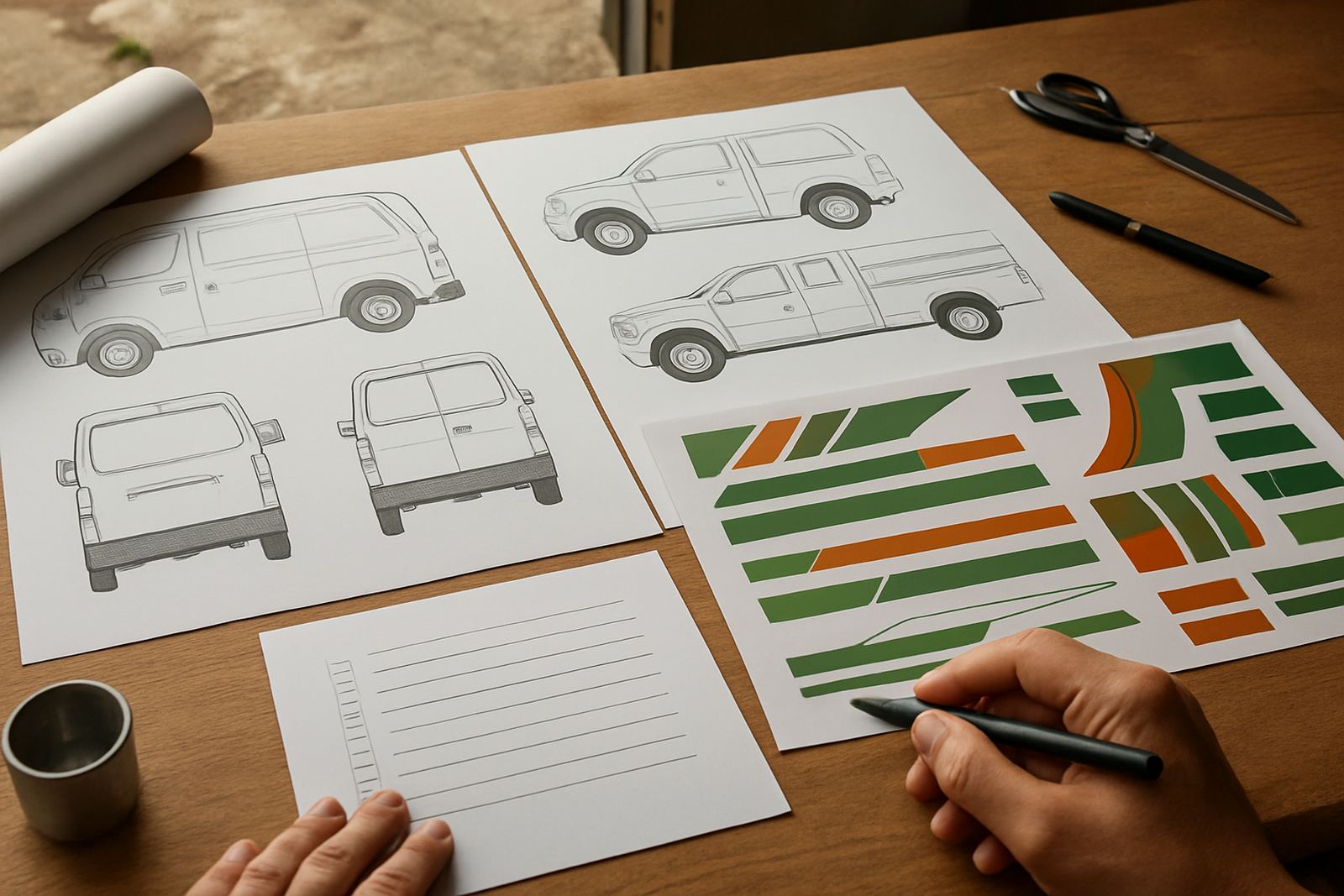
That is especially useful for campaign work and promotional branding, where dates, offers and tenant names change often. The same thinking applies to vehicle wrap fitting. A smart layout can make it easier to refresh a fleet without stripping every surface at once.
Practical design choices that save money later:
- Use standard sizes where possible
- Keep access points open for cleaning and bulb changes
- Separate replaceable graphics from fixed structures
- Choose finishes that can handle regular washing
- Allow for future rebranding or tenant changes
We often advise clients to think about the third year, not only the first week. A sign that is easy to service is usually cheaper to own. That is true for retailers, brands and municipalities alike, because access and downtime costs can add up quickly.
Maintenance budgets are part of the value, not an extra
Many businesses plan for manufacture and installation, then forget to set aside a small maintenance budget. That is when small issues grow into bigger ones. Loose fixings, damaged vinyl edges, dirty faces and failed illumination can make a site look neglected even if the structure is still sound.
In a busy trading environment, a sign is working every day. It has to stay legible, clean and secure. A maintenance plan does not need to be complicated, but it should be realistic.
- Quarterly visual checks for movement, rust or damage
- Cleaning schedules suited to dust, traffic and coastal air
- Prompt repair of torn graphics or lifted edges
- Inspection after storms or strong winds
- Replacement planning for ageing illuminated components
Load-shedding also matters. If a sign uses lighting, power interruptions can expose weak fittings, poor cabling or ageing components. That is another reason to inspect rather than waiting until a sign stops working completely. A little prevention can save a full rebuild later on.
A Hartbeespoort example that shows the full picture
Consider a roadside retail client serving motorists between Hartbeespoort and Pretoria. The first quote they received was for a simple fascia and a freestanding directional sign. On paper, the cheaper option looked fine. But after a site survey, it became clear the signs would face strong wind, sun exposure and regular dust.
We recommended a stronger frame, more durable print media and a layout that allowed face replacement later. The upfront cost was higher, but the client avoided repeated repairs, and the signs stayed readable for longer. That also reduced the chance of unplanned downtime when the site needed cleaning or minor work.
This is the key point: lifecycle value is about the total cost of ownership, not just the first invoice. A well-planned sign can support trading, improve site appearance and keep maintenance predictable. A badly planned one often becomes a recurring expense.
If you are comparing sign options for branches in Pretoria, Brits, Centurion or across Tshwane, ask for a full view of the project. That should include design, fabrication, installation, permit help if needed, and the likely upkeep over time. The cheapest number is not always the smartest one.
How HM Graphics & Signs helps clients spend wisely
HM Graphics & Signs works from Hartbeespoort and serves Pretoria, Centurion, Brits and surrounding areas with signage planning, manufacture and installation. Our team handles site surveys, graphic design, artwork prep, large format printing, vinyl cutting, sign fabrication, installation, vehicle wrap fitting, maintenance, refurbishment, campaign rollouts and permit assistance.
That end to end approach helps clients make better decisions from the start. When a project is planned properly, you can compare options based on real lifespan, servicing needs and site conditions, not just the first quote. For municipal work, retail rollouts and branded sites, that kind of planning often saves more than it costs.
If you are budgeting for new signage or reviewing older signs that are starting to fade, think in years not weeks. The right build, placed in the right way and maintained properly, usually gives better value across the full life of the sign.