
Start with a monthly walk-around, not a repair job
The best sign maintenance plan is a simple inspection before a small fault becomes a costly one. Once a month, walk around the site and look at every sign from a distance first, then up close. Check if the sign is still straight, if the face is clean and if any parts are loose after wind or heavy rain. In Gauteng and North West, dust builds up quickly and that layer alone can dull colours and make lettering harder to read.
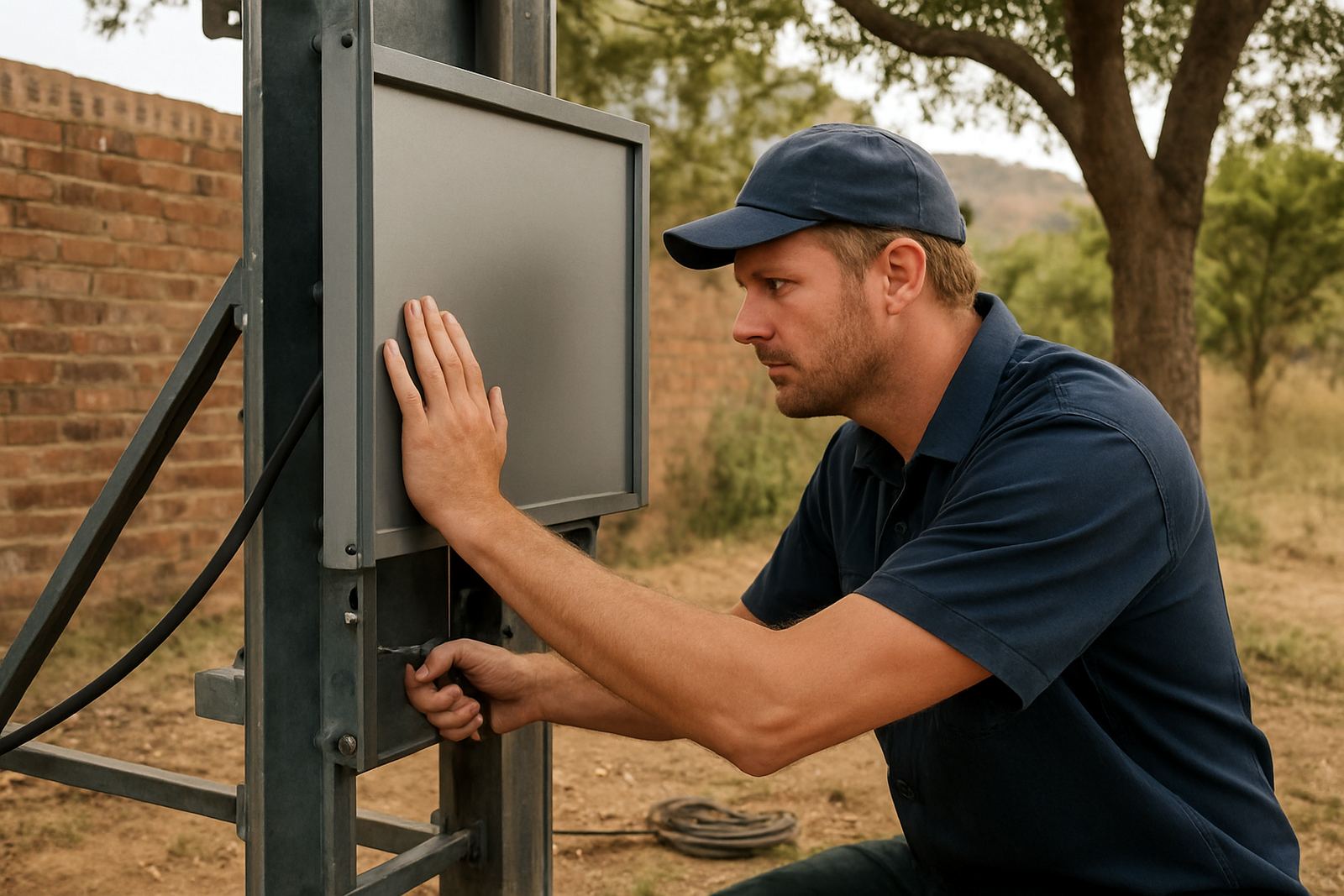
Pay attention to the fixing points, frames and joints. A sign that looks fine from the road may have a bracket that has started to move, or a panel that is bowing slightly. Catching that early helps avoid sudden failures, especially on freestanding signs or higher wall-mounted signs where access is more difficult and safety matters more.
- Look for loose screws, rust marks and cracked seals
- Check if panels are lifting at the corners
- Confirm that the sign is still level and visible from the normal viewing distance
- Note any fading, scratches or peeling edges
Clean signage properly so you do not damage the finish
Cleaning sounds basic, but the wrong method can shorten a sign’s life. Use soft cloths, clean water and a mild soap solution where needed. Avoid abrasive pads and harsh solvents unless the material supplier has confirmed they are safe for that finish. Vinyl graphics, printed panels, acrylic faces and powder-coated frames all react differently to chemicals and rough handling.
Coastal humidity can leave a film on surfaces, while inland dust and exhaust grime can build up on shopfronts in busy areas like Centurion and Pretoria West. A gentle wash removes dirt before it becomes stubborn staining. If the sign is mounted high or near electrical fittings, do not try to clean it from unstable ladders or improvised platforms. Safe access matters just as much as appearance.
- Use low-pressure cleaning only, unless the sign type allows more force
- Dry the surface after washing so water marks do not set in
- Do not scrub printed lettering or reflective finishes
- Clean more often in dusty areas, near traffic or close to construction sites
Watch for fading, peeling and colour change
Sun exposure is one of the main reasons signs start looking tired. The Highveld sun is strong, and south-facing or west-facing signs can take a lot of weather over time. Fading does not only affect appearance, it can also reduce contrast so the message becomes harder to read from the road or from a parking area. If the sign carries important directional information, that matters.
Peeling vinyl, lifting edges and colour shift often begin in small spots before spreading. On vehicle graphics and promotional panels, heat and washing chemicals can speed this up if the materials were not matched correctly to the job. When you spot early damage, it is better to repair a section than wait until the whole face needs replacing. That keeps downtime lower and the site looking cared for.
For municipalities, retailers and multi-site brands, it helps to keep a record of which signs are ageing fastest. That makes budgeting easier and avoids the surprise of doing a full refresh all at once.
Check structure, fixings and power points before load-shedding bites
Not every sign problem is about the face itself. Structure and electrical components need attention too. Lightboxes, illuminated fascia signs and directional signs with internal lighting should be checked for flicker, dim sections or water entry around joints. After heavy rain, inspect for moisture, as even a small leak can lead to corrosion or failed fittings over time.
Load-shedding also puts pressure on illuminated signage. If the light comes back on after an outage and a sign is not switching properly, it may be a wiring issue, a tired component or a loose connection. Do not open electrical housings unless a qualified person is handling it. The safest approach is to log the fault, isolate the unit if needed, and get it checked before the issue spreads.
- Inspect brackets, bolts and anchors after strong wind
- Look for rust on steel members and water stains around joints
- Test illuminated signs after outages to confirm they restart properly
- Keep access panels locked and sealed to limit tampering and dust entry
Look after signs during promotions and campaign rollouts
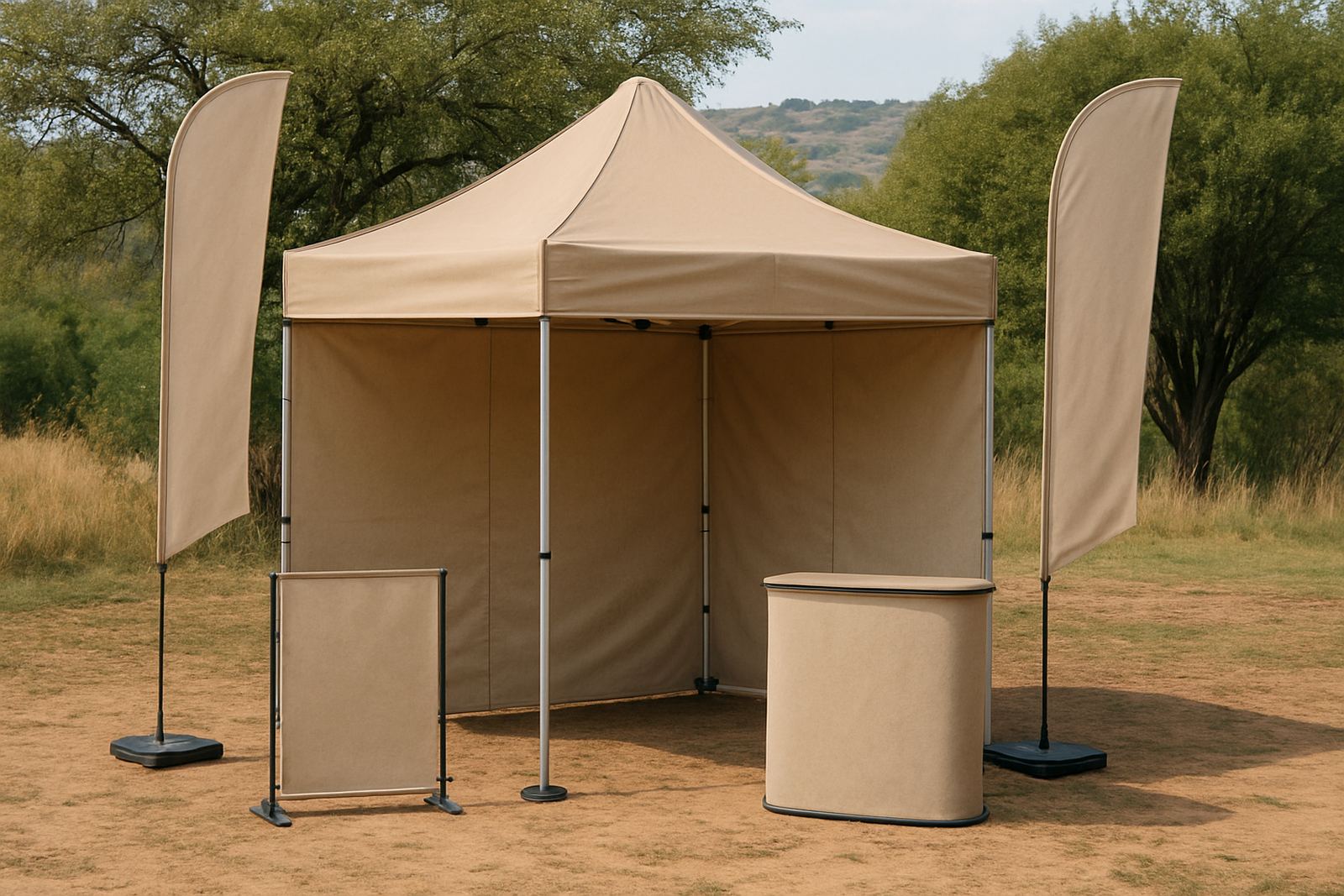
Temporary promotional branding often gets handled more roughly than permanent signage because the focus is on speed. That can cause bent frames, wrinkled vinyl, scuffed boards and adhesive failure. During a rollout, it helps to assign one person to inspect every item after installation and again after the first few days of trade. In busy retail areas, staff, trolleys and cleaning equipment can all affect the sign without anyone noticing straight away.
Campaign signage should be stored properly when it is not in use. Keep boards flat, dry and out of direct sun. Rolled vinyl should not sit under heavy weight for long periods, and printed items should be packed so they do not crease or rub against dust. A little care between activations saves money and keeps the branding looking consistent from one location to the next.
For sites in Hartbeespoort, Brits and Tshwane, weather can change quickly, so removable signs should always be checked after storms. If a panel has shifted or a fixing has loosened, it is better to secure it again immediately rather than wait for the next trading day.
Set a local maintenance routine that matches your site
There is no single maintenance schedule that suits every site. A small shopfront in Akasia will need a different level of attention from a large roadside sign outside Pretoria or a branded forecourt in Centurion. The right routine depends on traffic, weather exposure, height, material type and how important the sign is to daily customer flow.
A practical approach is to split maintenance into weekly, monthly and quarterly tasks. Weekly checks can cover obvious damage or dirt. Monthly checks can cover fixings, lighting and visibility. Quarterly checks can include a more detailed review of structure, finish and any repainting or refurbishment needs. That rhythm keeps maintenance manageable and avoids the rush of emergency callouts.
Where permit rules apply, especially for larger outdoor signs or municipal sites, it is wise to keep records of inspections and repairs. If a sign needs adjustment or replacement, having the history on hand helps with decision making and site compliance. It also gives you a clear view of when refurbishment will be more cost-effective than patch repairs.