
How Pretoria weather affects sign choice
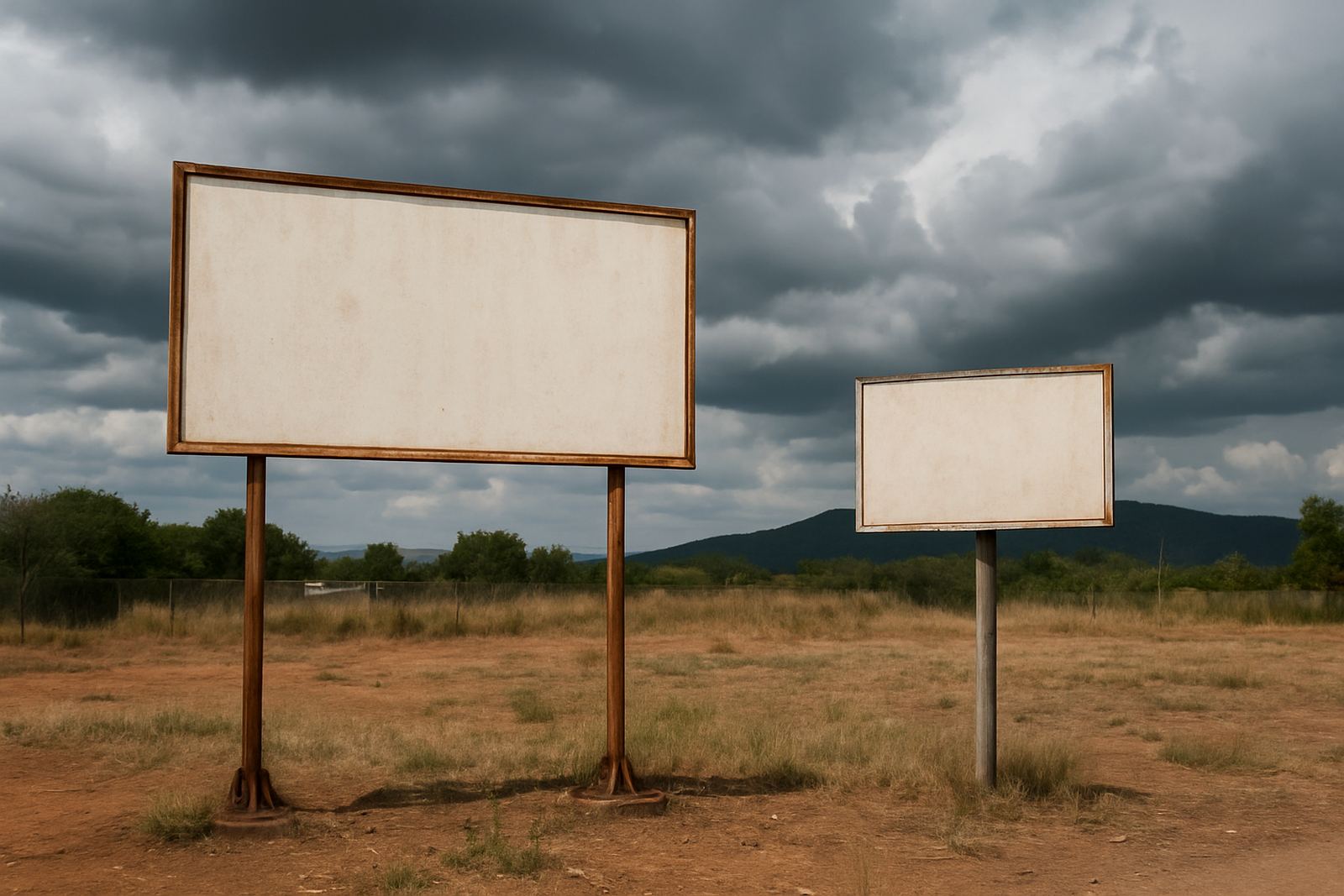
A sign that works well in a sheltered mall passage may fail quickly on a roadside wall in Pretoria or on an exposed site near Hartbeespoort. Sunlight fades print, wind pulls at fixing points, and rain finds every weak seam, joint or screw hole. That means weather is not a small detail, it is part of the brief.
At HM Graphics & Signs we start with a site survey and ask where the sign will face, how much shade it gets, whether it sits near traffic dust, and how the structure is fixed to the building. A sign for a retail centre in Centurion needs a different build to a municipal notice board in Soshanguve or a forecourt sign in Brits. The aim is simple: make the sign visible, stay secure and keep maintenance manageable.
Sun exposure, fading and heat build-up
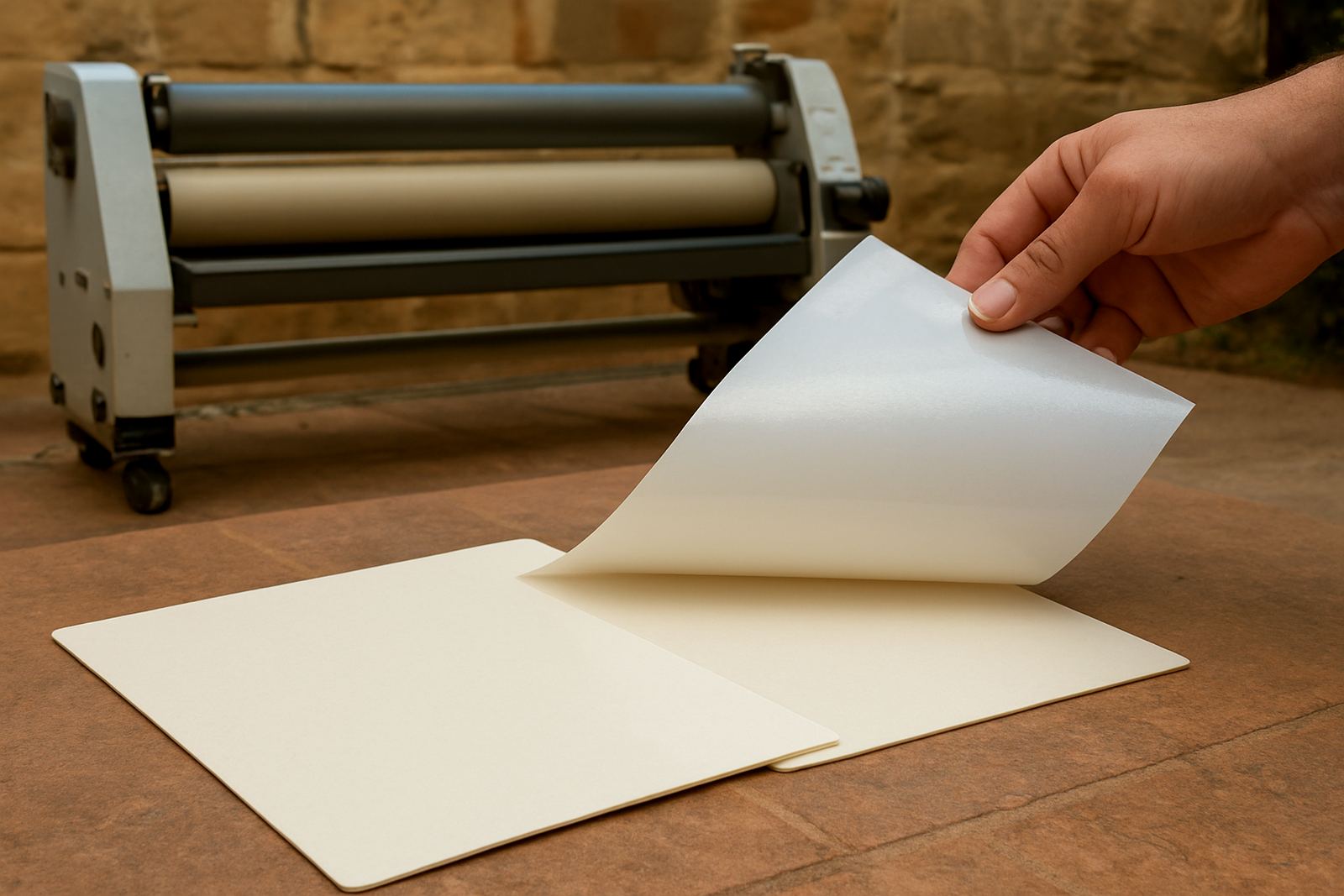
High UV levels break down cheap inks, films and laminates. In exposed areas, dark colours can also heat up enough to warp thin substrates or loosen adhesive edges. On a tin roof fascia, for example, the surface can become very hot by midday and cool again after sunset, so the material must cope with expansion and shrinkage.
- Use UV-stable print films and laminates for full-colour graphics.
- Choose acrylic, aluminium composite or treated steel where heat and glare are a concern.
- Allow for shade, especially on north-facing walls in Gauteng.
- Specify colour fast finishes for long-running campaigns and outdoor branding.
In hot, open parking areas around Pretoria and Akasia, we often recommend simple layouts with strong contrast. A clean logo and clear text usually last longer visually than a very detailed design that starts to look tired after one summer. Good artwork prep also helps, because poor file quality can make colours look dull from the start, and that is avoidable.
Wind load, vibration and the right fixing method
Wind is often the real test for outdoor signage. A panel that is too large for its frame can flex, crack or start rattling in the first serious storm. Vehicle branding faces a different kind of stress: road vibration, washing, heat and repeated opening of doors or tailgates. If the fixing method is wrong, even a good sign will fail sooner than it should.
For freestanding signs, wall-mounted panels and pylon components, we look at the size of the face, the weight of the material and the surface it will attach to. On older brickwork, weak plaster or hollow cladding, the fixing system needs careful selection. On steel structures, corrosion protection matters just as much. In coastal humidity corrosion is one issue, but inland Rustenburg-style dust and rain cycle can be tough too, so hardware choice should match the site not just the drawing.
- Use the correct bracket spacing for the sign size and exposure.
- Seal penetrations to reduce water entry into walls and frames.
- Choose rust-resistant fasteners where moisture or washing is expected.
- Allow for movement in large panels so they do not buckle.
Rain, runoff and moisture at the edges
Rain does not only fall on a sign, it runs across it, behind it and into the edges if the build is poor. Water trapped inside a sign can stain graphics, lift vinyl, fog clear panels or cause rust inside a frame. On unsealed edges, moisture also creeps into substrates and shortens the life of the whole installation.
That is why finish detail matters. We pay attention to edge sealing, drainage points, overlap joints and the way the sign sits off the wall. A small gap for airflow can help, but it must be planned so wind does not get behind the face too easily. For illuminated or complex signs, access points should be placed where maintenance staff can reach them without unnecessary risk. If the sign is part of a campaign rollout across Tshwane, it helps to standardise the fixing details so future maintenance is quicker and less costly.
Selecting materials for different sites in North West and Gauteng
There is no single material that suits every site. A retail store in Centurion wants one type of finish, while a municipal facility in Pretoria may need something more durable and easier to clean. The best selection depends on the weather, the mounting point and how long the branding must stay in place.
For most outdoor applications we look at the following:
- Printed vinyl on rigid board for short to medium term campaigns and fascia panels.
- Acrylic or aluminium composite for cleaner looking shopfront signs and longer term use.
- Cut vinyl lettering for simple, cost-conscious branding with less edge wear.
- Fabricated metal signs for exposed locations, vehicle yards and public sites.
In Hartbeespoort, where sites can see stronger sun and sudden wind off the water, a more durable finish can make good financial sense. In Pretoria CBD or Rosslyn, dust and traffic grime also push us toward smooth surfaces that can be cleaned without damaging the artwork. The point is not to overspec everything, but to match the material to the real conditions on site.
A practical example from a Hartbeespoort to Pretoria rollout
For a multi-site rollout, weather consistency matters as much as brand consistency. If one branch has a sign that fades in six months while another stays sharp for years, the customer sees the difference straight away. We have seen this with retail campaigns where the same design had to be fitted in Hartbeespoort, Pretoria and Centurion under different wall conditions and exposure levels.
The solution was not to copy the same fixing method everywhere. Some sites needed stronger brackets, some needed extra sealing, and one location required a revised panel size because wind kept catching the edge. By combining site surveys, graphic design, fabrication and installation, the rollout stayed neat and the client did not have to chase three different contractors. It saved time and made future maintenance easier too, which is always worth it when a lot of sites are involved.
How maintenance keeps weather damage from becoming replacement cost
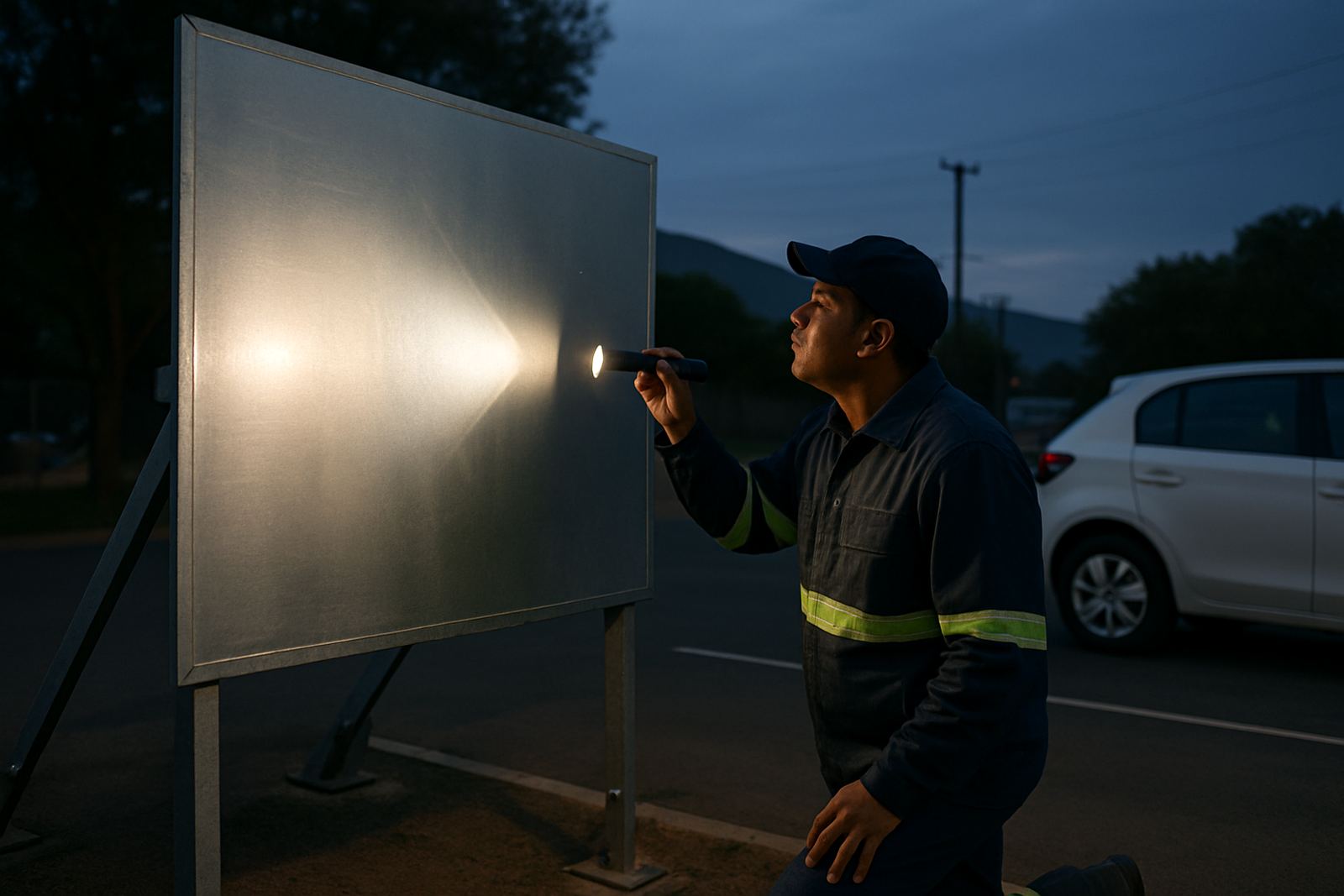
Even well-made signs need checks. Dust, rain and sun are constant, and over time small issues become expensive ones if ignored. A loose fixing, lifted corner or cracked seal can lead to water entry or a face panel coming free in a storm. That is a safety issue as much as a branding issue.
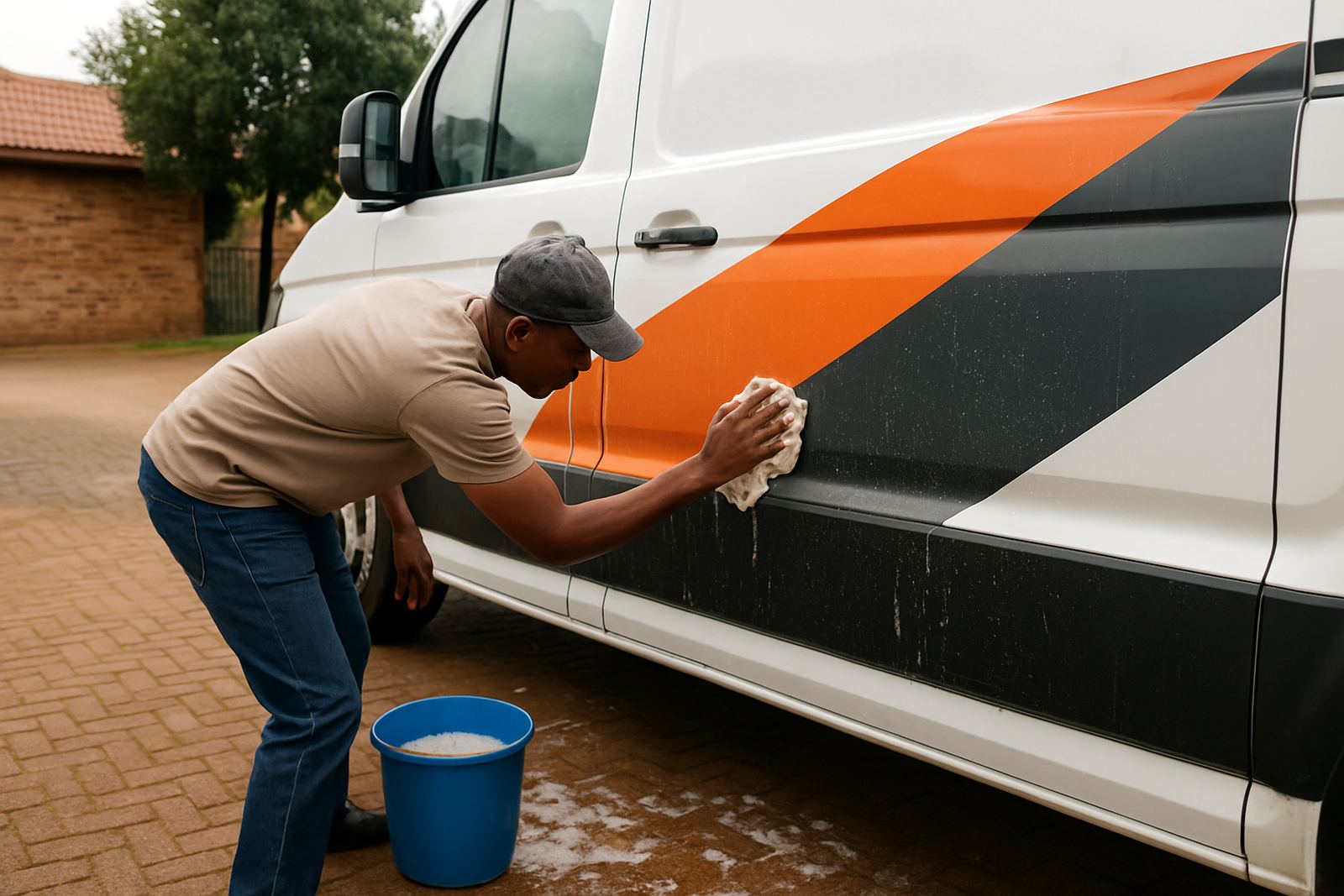
Regular maintenance should include washing, inspection of edges and fasteners, touch-up on damaged print and replacement of worn components before they fail. For vehicle graphics, it also means checking high-wear edges on doors and load areas. Refurbishment can often bring a sign back into good condition without a full replacement, especially when the frame is still sound and the artwork only needs partial renewal. That approach helps businesses in Tshwane and across Gauteng manage costs sensibly, rather than reacting only after damage has already happened.