
When temporary signage makes sense
Temporary signs are the right choice when the message has a clear end date, such as a product launch, a weekend promotion, a site opening or a public event. You want something that can be installed quickly, read from a distance and removed without leaving damage behind.
In busy areas around Pretoria, Centurion and Brits, the best temporary option depends on where people will see it and how long it must stay up. A roadside campaign needs different materials from an indoor expo stand or a fence banner at a municipal project site. Wind, dust, sun and load-shedding all matter because a sign that looks fine on day one can sag, fade or fall over if it is not made for the conditions.
We usually start with the location, viewing distance and timing. That tells you whether a lightweight board, a banner, a window graphic or a freestanding unit is the better spend.
Temporary options that work on the ground
There is no single temporary sign that suits every job. The aim is to match the material to the use, then keep the setup practical for install and removal.
- Foamboard and correx panels for indoor promotions, point-of-sale displays and short campaigns at events or in showrooms.
- Vinyl banners for fences, gates, buildings and roadside messaging where you need large format visibility at a sensible cost.
- Window graphics for shopfront launches, sale periods and branch takeovers. These can be removed cleanly if fitted properly.
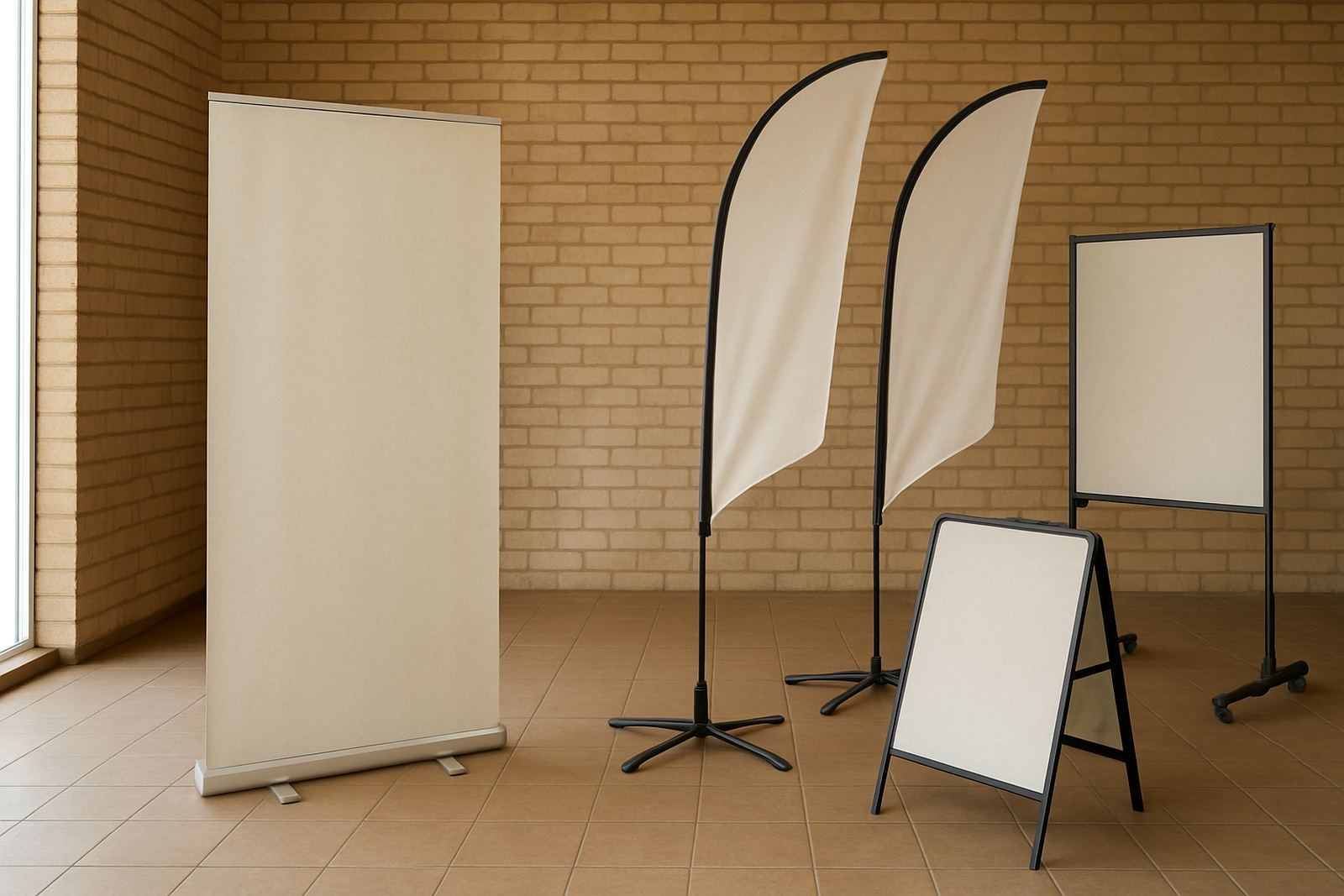
- Pull-up units and promo stands for exhibitions, foyer displays and corporate functions where the branding must travel.
- Correx or rigid directional boards for one-day activations, parking control and event wayfinding.
- Vehicle decals and short-term wraps for campaign cars, touring teams and mobile promotions.
For outdoor use near Hartbeespoort or on open sites in Tshwane, we allow for stronger fixing points, weighted bases or cable ties that can handle gusts. A sign is only temporary if it survives the full run without constant repairs.
Designing for short attention spans
Temporary graphics need to communicate quickly. People often have only a few seconds to read them, especially at traffic lights, along a service road or while moving through an event venue. That means fewer words, stronger contrast and a clean message hierarchy.
We keep the layout simple: one main message, one offer or date, and one clear action. If the sign is for a launch in Centurion or an outreach event in Soshanguve, the viewer should know what it is, where to go and when it happens without scanning a wall of text.
Type size matters as much as colour. Small text gets lost outdoors, especially on a windy day when the sign is seen from a moving vehicle. Good artwork prep also reduces print errors, which saves time when a campaign has a tight deadline and the print has to go up before the weekend.
- Use strong contrast between text and background.
- Keep contact details to the essentials.
- Leave enough clear space around Correx panels so the message stays easy to read.
- Match the graphic to the viewing distance.
Installation choices that save time and damage
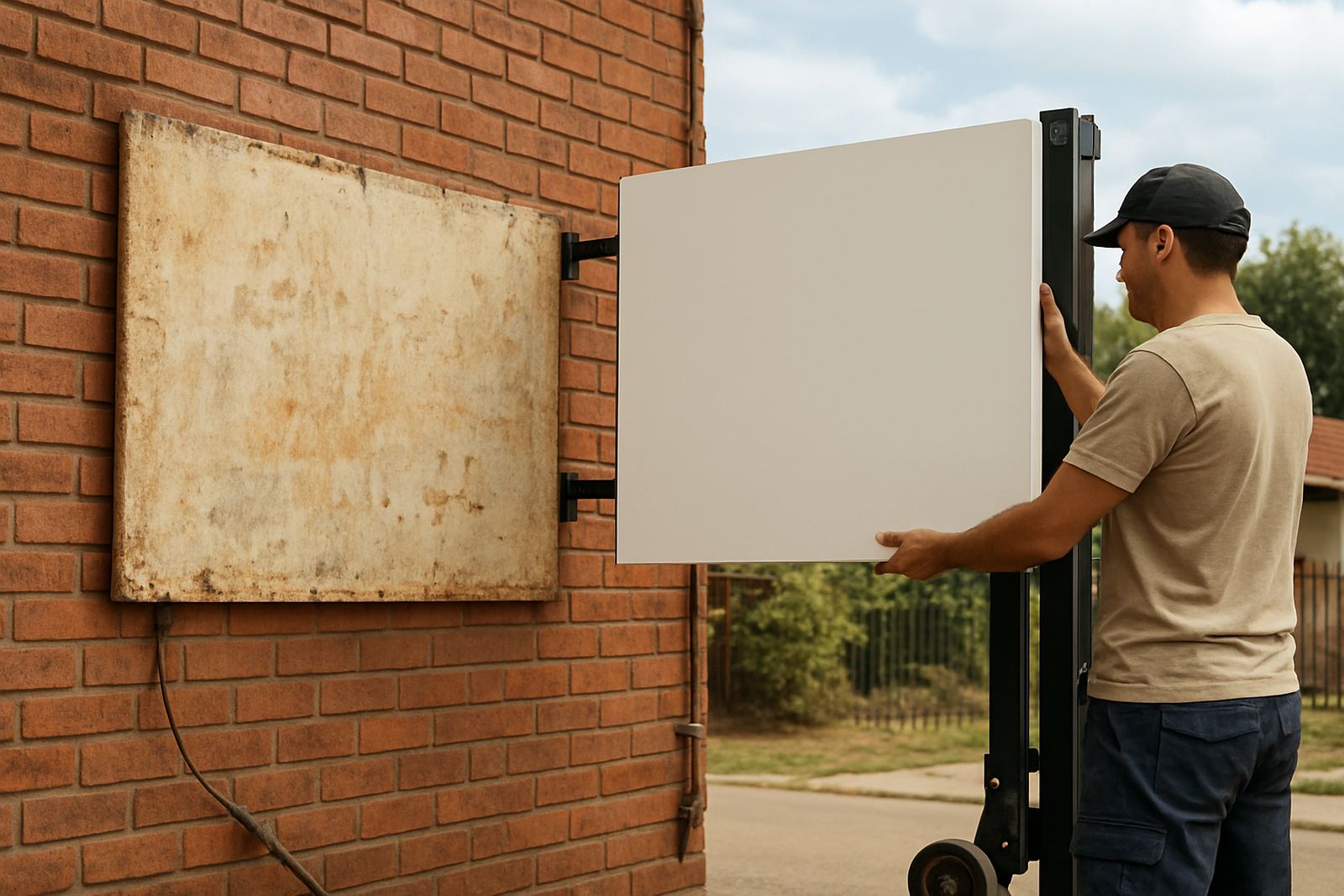
Temporary signage should be easy to fit and easy to remove. That starts with the right mounting method. For a short campaign at a retail site in Akasia or Rosslyn, we might use removable fixings, cable ties, stand-offs or adhesive systems that suit the surface. For a community activation, a freestanding frame or weighted base can be better than drilling into a finished wall.
On municipal or commercial sites, permit rules and site controls may affect where a sign may go and how long it can remain in place. It helps to check access, working hours and safety requirements before printing. There is no point rushing a banner if the site manager will not allow installation at the last minute.
We also factor in power cuts. If a temporary sign uses lighting, the setup should still make sense during load-shedding. In some cases that means choosing a fully non-illuminated option or planning battery backup for a short display period.
Clean removal is part of the job too. The best temporary signs come down without tearing, staining or leaving fixings behind that create extra cost later.
Cost control without looking cheap
A temporary sign does not have to look flimsy just because it is short term. The trick is to spend on what the public sees and save on what they do not. For example, if a banner is only up for three days, there is little value in over-specifying it for long outdoor exposure. But if it will face sun, rain and evening wind, the material and finishing must be strong enough.
We often advise clients to use a mix of formats. A large banner can carry the headline message, while smaller directional boards or window decals handle the supporting information. That approach is useful for retailers running a launch weekend in Pretoria or promoters setting up a roadshow in Tshwane. It keeps costs controlled and improves the flow of foot traffic.
Temporary work can also be reused. If the campaign date is generic enough, a pull-up unit or branded board can serve for more than one activation. That is a practical way to get more value from the same production budget.
A local example from launch day to pack-down
Picture a retail launch in Pretoria with a second activation planned in Hartbeespoort two weeks later. The brief needs shopfront visibility, parking guidance and a branded photo point. We would typically combine window graphics, a banner at the entrance and directional boards for the parking area. If the site has a fence or temporary barrier, that space can also carry a short headline message.
After the event, the graphics must be removed fast so the store can return to normal trading. That is where planning pays off. If the artwork was prepared with removal in mind, the install crew knows exactly what can stay, what must come off and which surfaces need cleaning. It saves time and avoids damage to paint, glass or cladding.
For clients working across Pretoria, Centurion and Brits, this kind of planning also helps when one campaign needs to move from branch to branch. The same visual system can be adapted for each site, with only the location details changed.
Getting the right temporary sign first time
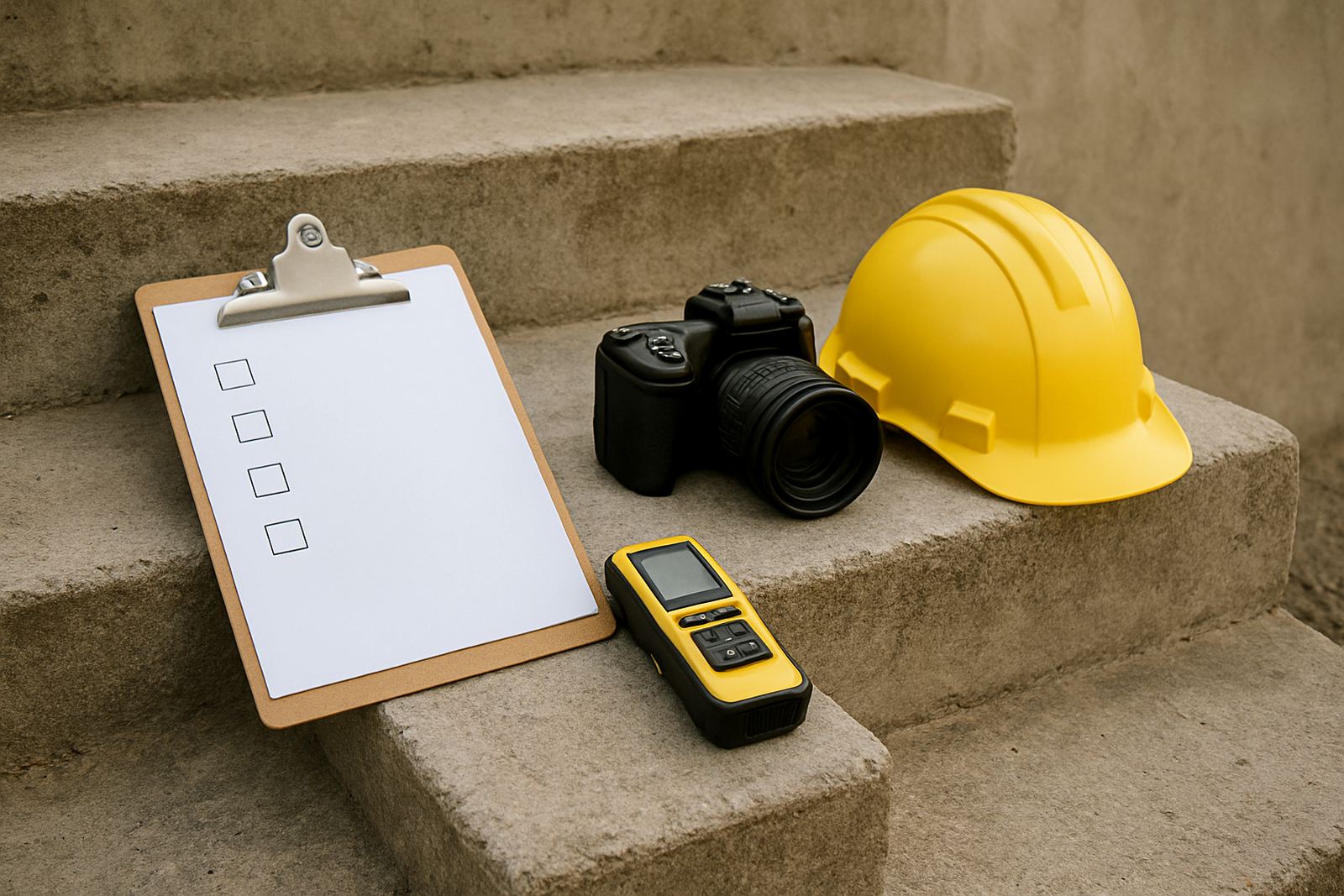
The best temporary signage starts with a clear brief. Tell us the dates, site, surface type, weather exposure and how long the sign must last. If you have a permit requirement or venue rule, share that early. It helps us recommend the right size, fixing method and material before production starts.
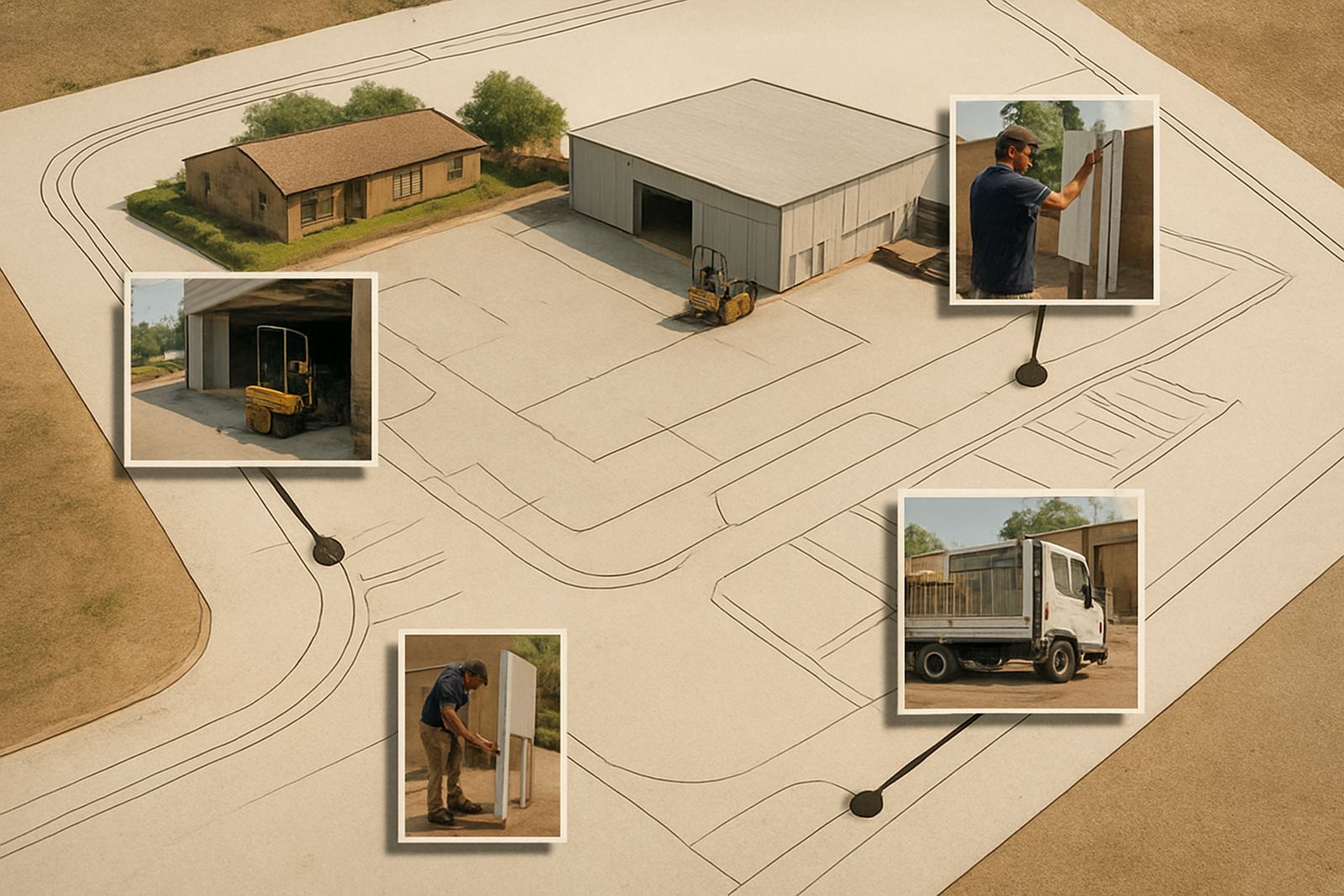
At HM Graphics & Signs, we handle site surveys, artwork prep, printing, fabrication, installation and maintenance where needed. For temporary work, that full service matters because the job is usually time-sensitive and there is little room for a reprint. Our Hartbeespoort base serves Pretoria and the wider Gauteng area, including Tshwane, Akasia, Rosslyn, Soshanguve and Centurion.
If your campaign has a hard deadline, the safest route is to keep the sign simple, fit for the surface and built for the weather. Temporary does not mean careless, and a good short-term sign should still do its job properly from the first day to the last.