What Sign Refurbishment Covers
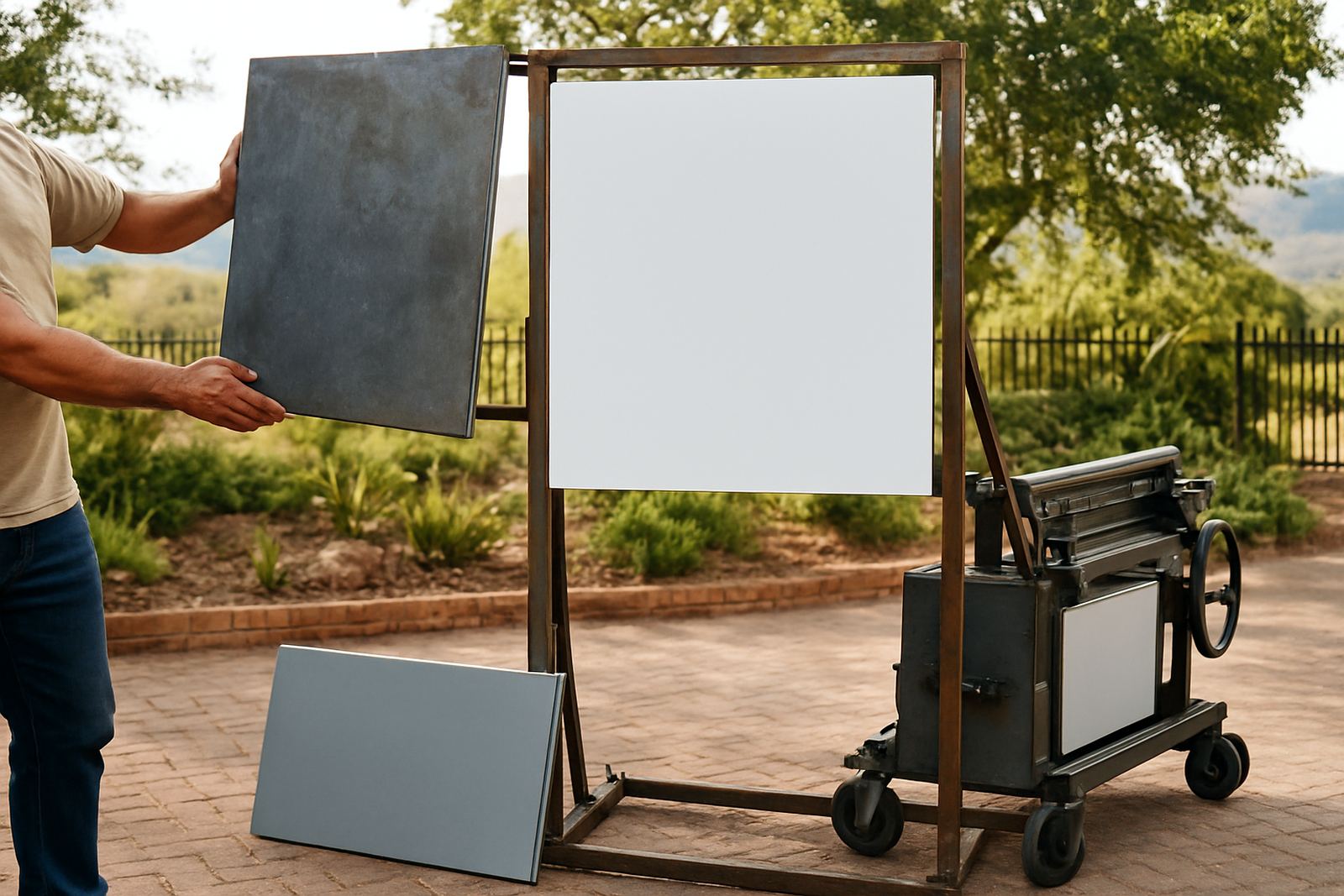
Sign refurbishment is for signs that still have a sound frame or box but the visible parts no longer do the job. That can mean a sun-bleached shopfront sign in Pretoria, a delaminated panel in Brits, or a municipal directional sign that needs a new face after a logo update. We assess the structure first, then replace only what is needed so you are not paying for a full rebuild when the base is still usable.
Typical refurbishment work includes face changes, new printed panels, vinyl overlay work, repainting where needed, fixing loose edges and cleaning up the whole sign before it goes back into service. For exterior signs we check for water entry, rust on fixings and any damage caused by wind or long exposure to heat and dust. In coastal or high-moisture areas we pay extra attention to seals and fasteners so the sign lasts longer.
- Panel replacement for flat signs, lightboxes and wall signs
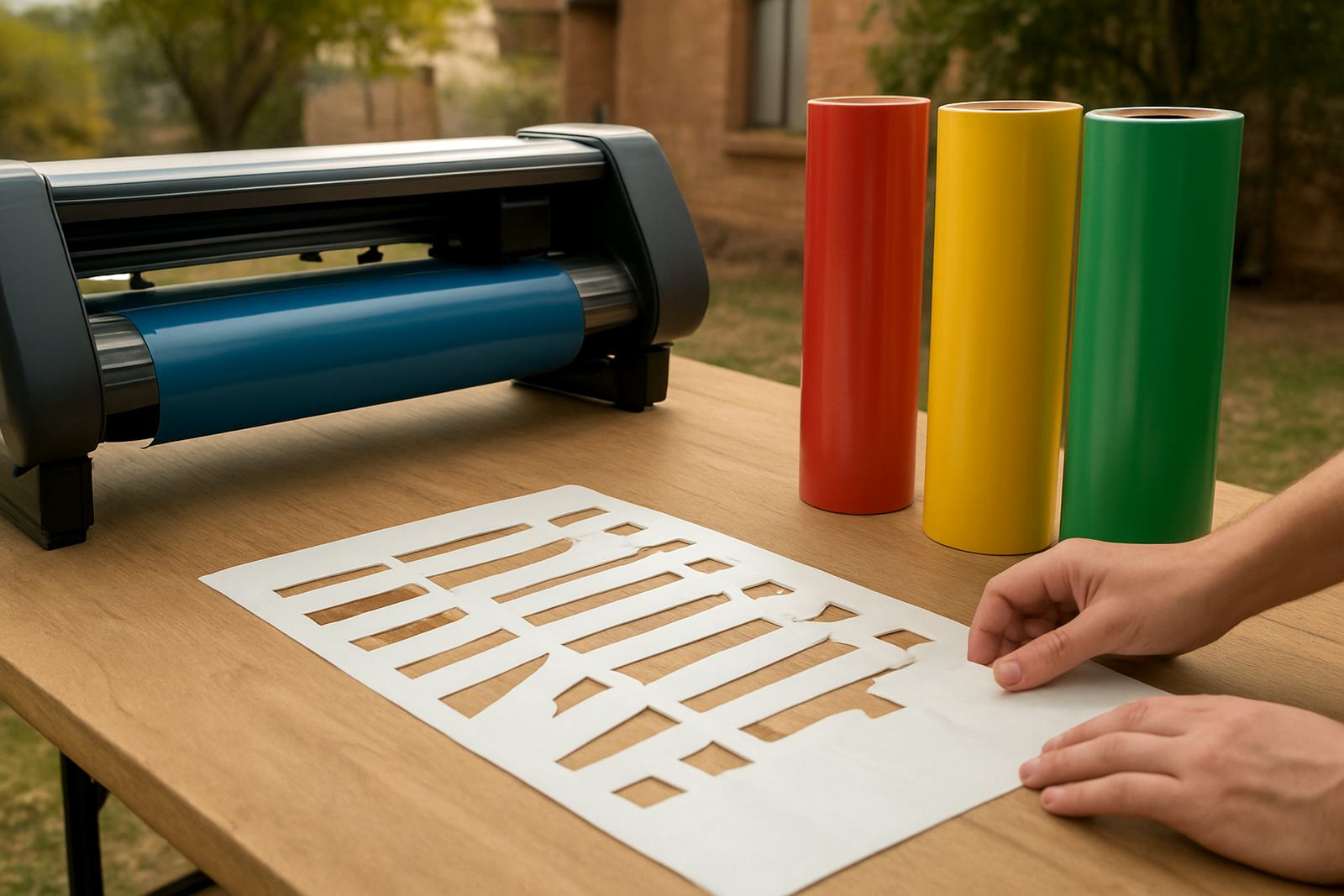
- Vinyl re-skinning for old graphics and faded branding
- Paint touch-ups on frames, brackets and surrounds
- Repair of loose trims, cracked corners and lifted joins
- Cleaning and final visual matching to your current brand
How We Handle the Refurbishment Process
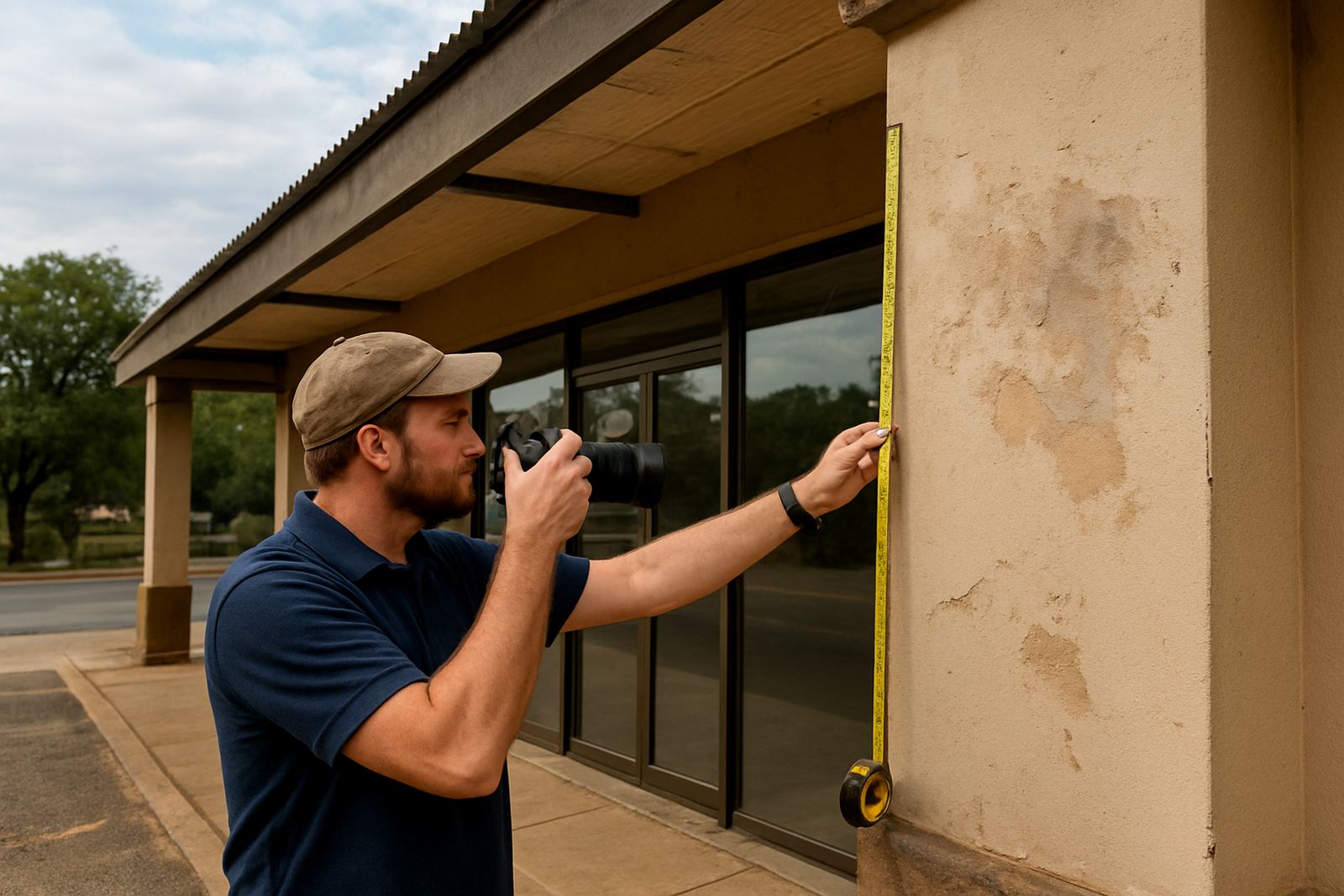
We keep the process straightforward so your site is not tied up longer than necessary. The first step is a site survey in Hartbeespoort, Pretoria, Centurion, Tshwane, Akasia, Rosslyn or nearby areas. We measure the sign, inspect the condition and note whether the frame, electrics, substrate and mounting points are still serviceable. If a permit or municipal approval is needed for a changed face or a sign that affects public frontage, we advise on the next steps before work starts.
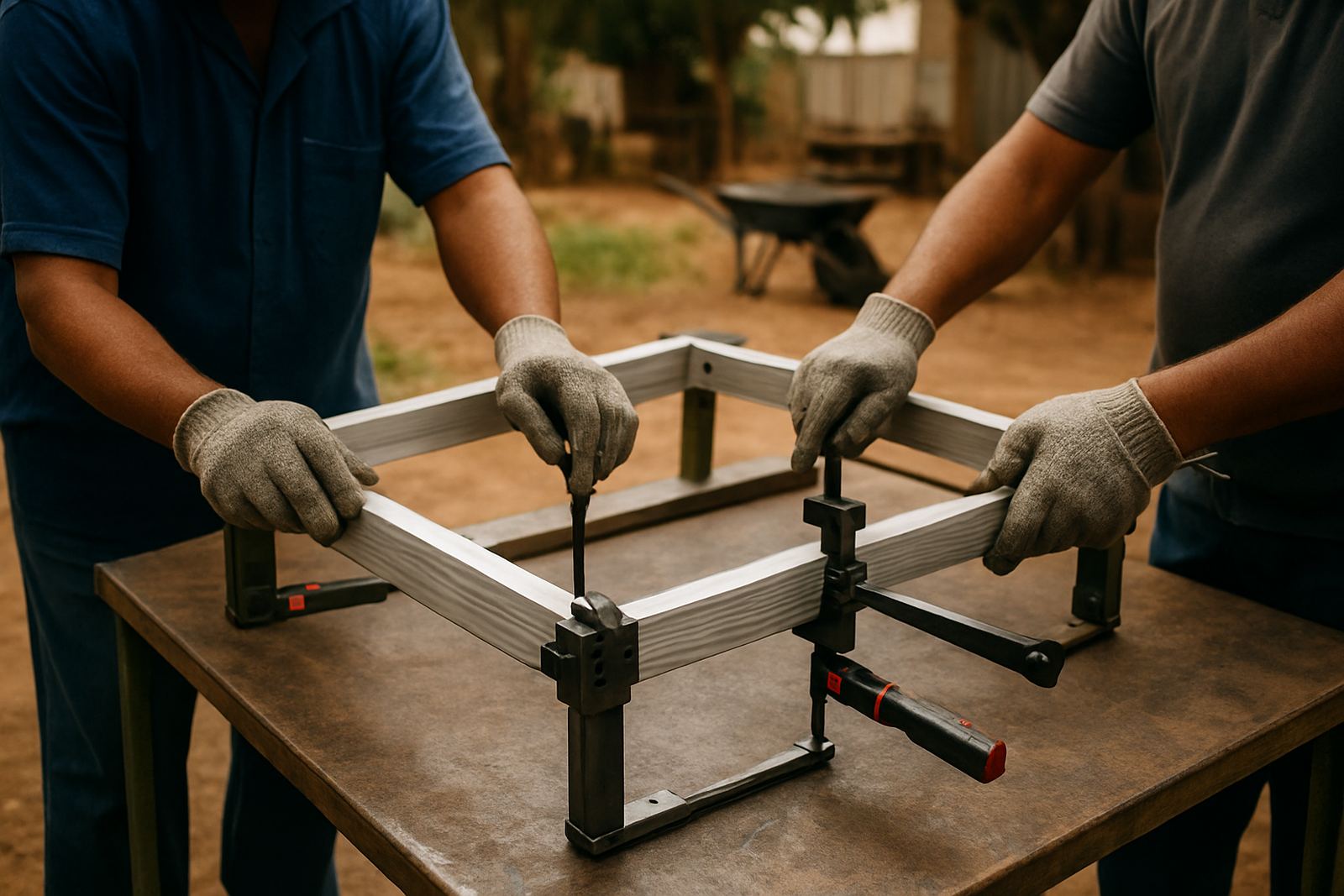
After the survey, our graphic team prepares the updated artwork and production team confirms material choices. Once approved, we manufacture the new face or replacement parts in-house, which helps keep the turnaround tighter and gives better control over colour matching. If the sign needs to come down for repair, our installation team handles that safely and returns it once the new parts are ready.
- Site survey and condition check
- Artwork update and sign-off on layout
- Manufacture of replacement faces, panels or graphics
- Removal, repair, refit and final clean-up
- Handover with a quick check of visibility from the road or walkway
Materials We Use for Lasting Refreshed Signs
Refurbishment works best when the replacement material suits the original structure and the exposure of the site. For flat faces we commonly use ACM, polycarbonate, acrylic or rigid PVC depending on whether the sign is backlit, non-illuminated or mounted in a high-wind position. For printed graphics we use outdoor-rated vinyl and laminate options that hold colour better under strong sun and reduce early fading.
In industrial areas such as Rosslyn and parts of Tshwane, dust and chemical residue can build up quickly, so we often recommend a finish that is easy to wipe down. For shopping centres and road-facing sites, we make sure the face is readable from the expected viewing distance and that the colour contrast is strong enough for daylight conditions. If the old frame is still usable, we can often save time by matching the replacement panel to the existing structure exactly.
- Outdoor-rated vinyl for face changes and panel graphics
- Rigid board and composite sheet options for replacement panels
- Weatherproof sealants and fixings for exterior conditions
- UV-resistant print and laminate choices for longer colour life
Turnaround, Downtime and Working Around Trading Hours
Turnaround depends on the condition of the sign and how much of it needs replacing. Simple face changes can often be completed faster than a full panel rebuild, while signs with damaged frames, rust or electrical faults take longer. For most standard refurbishments we aim to keep the process tight enough to limit site downtime, especially for retail units that need clear frontage during trading hours.
Where possible we plan work around quieter periods, after-hours access or low-traffic windows. That helps avoid disruption for customers and makes it easier to remove and refit signage safely. Load-shedding can also affect the schedule if a sign needs power testing or illuminated components, so we build in practical time for that instead of promising unrealistic dates.
For straightforward projects, the visible work is often completed within a few days after approval. More detailed refurbishments, or work involving multiple sites across Gauteng, are scheduled in phases so each location gets the right attention and the branding stays consistent across all branches.
Pricing That Fits the Condition of the Sign
We price sign refurbishment according to what actually needs to be done, not on a one-size-fits-all rate. A sign with a good frame and only a faded face will cost less than one that needs new panels, repairs to the box and fresh graphics. That gives clients a fairer quote and helps compare refurbishment against full replacement with proper numbers in hand.
Our quoting usually takes account of the sign size, access height, material choice, design changes, travel, removal and refit, and whether maintenance work is needed at the same time. If you are refurbishing more than one sign for a store group, municipality or multi-branch brand, we can price the rollout in stages so you can budget branch by branch.
- Small fascia or shopfront faces priced by size and finish
- Lightbox or illuminated units priced by panel, access and test work
- Multi-site refurbishments priced for consistency across branches
- Extra repair items quoted only where the sign needs them
When to Refresh and How to Keep It Looking Good
Most exterior signs should be checked at least once a year and sooner if they face strong sun, wind or heavy road dust. In Pretoria and Hartbeespoort, seasonal heat can fade graphics faster than many people expect. In busier commercial nodes, physical wear from traffic, cleaning and weather means a visual refresh every 18 to 36 months is common, depending on material and exposure.
A good maintenance interval keeps small issues from becoming costly ones. If you catch lifted vinyl, loose seals or cracked panels early, the sign can often be refurbished without replacing the whole structure. We also recommend a quick inspection after storm season, after a building repaint, or when branding has changed and the sign needs to stay aligned with the rest of the site.
- Annual inspection for colour fade, rust, lifting edges and moisture entry
- 6 to 12 month checks for illuminated signs and high exposure sites
- Refresh after rebranding, tenant change or municipal branding updates
Who We Refurbish Signs For
We work with retailers, brands, contractors and municipalities that need signs to stay legible and presentable without starting from scratch each time. That includes shopfront signs, directional boards, corporate fascia signs, wall-mounted logos, estate markers and municipal wayfinding units. Some clients need one sign repaired, while others need a full branch rollout refreshed across Tshwane, Centurion, Brits and surrounding areas.
Our team includes concept, production and site crews, so the same project is handled from the first measurements through to the final fit. That keeps the artwork, finish and on-site result aligned. Hendrik Mokoena leads the business, with Lerato Mthembu managing operations, Riaan Odendaal on production, Ayanda Mavuso on artwork, Kagiso Ndlovu leading site work, Revasha Desai coordinating client services and Retief Wessels handling fabrication detail. It means the job is handled by people who know signs and know how to keep them working in local conditions.
Key facts
| Service type | Face changes, panel replacement and visual refresh for existing signs |
|---|---|
| Typical sign sizes | Small shopfront signs through to large fascia and site signs, measured on site |
| Common materials | ACM, acrylic, polycarbonate, rigid PVC, outdoor vinyl and laminate |
| Turnaround | Often a few days after approval for straightforward jobs |
| Coverage area | Hartbeespoort, Pretoria, Centurion, Brits, Tshwane, Akasia, Rosslyn and nearby Gauteng areas |
| Maintenance interval | Inspect yearly, and 6 to 12 monthly for high exposure or illuminated signs |