What 3D Lettering Is and Why It Works
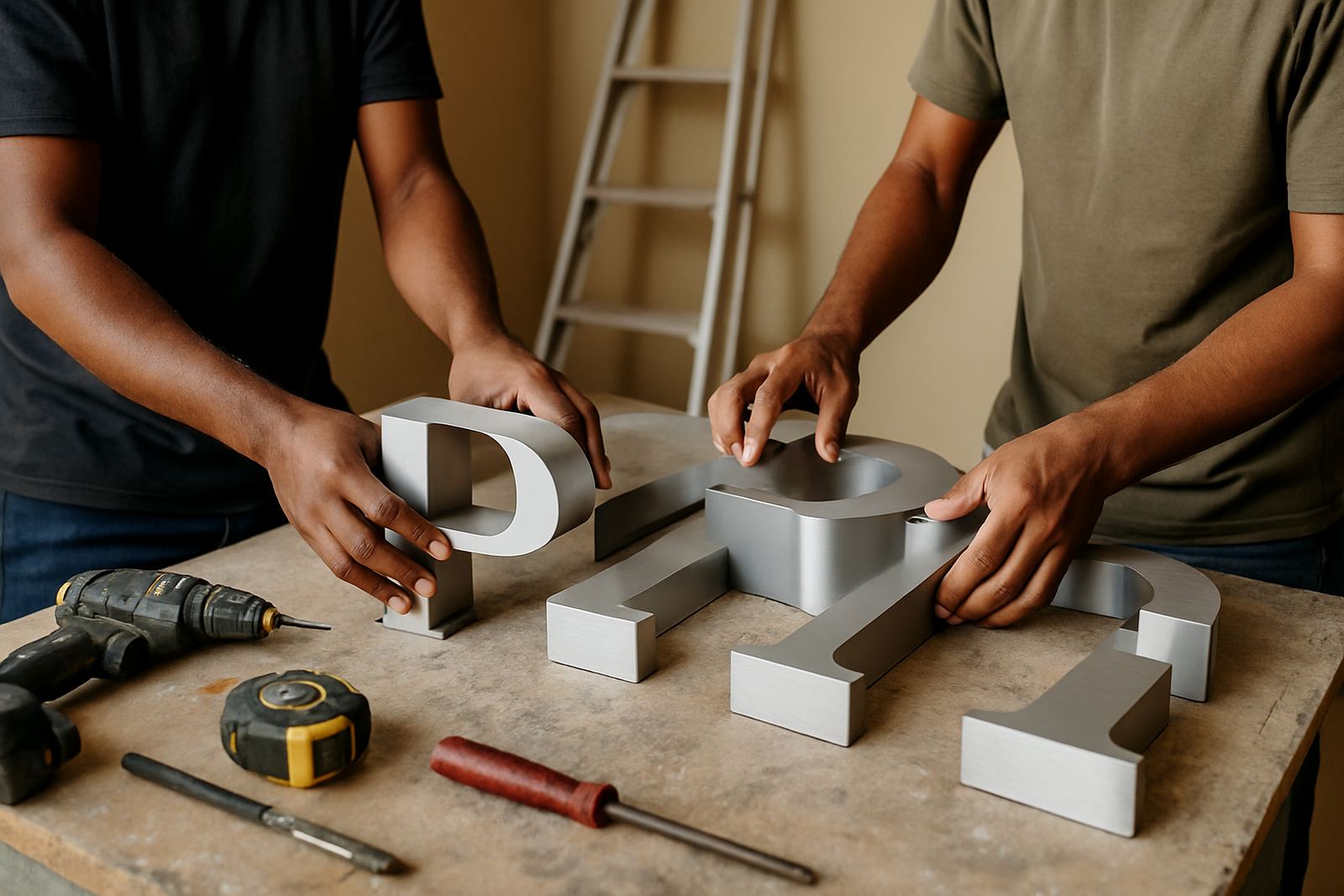
3D lettering, also called built-up lettering, is made from individual letters that project off the wall or sign panel instead of sitting flat as printed artwork. The depth gives the signage a stronger profile, which helps with visibility from the road, from a parking area, or across a forecourt where people need to pick out a name quickly.
We manufacture letters in acrylic, aluminium and composite finishes, with options for face illumination, halo lighting or a non-lit finish. That makes the product suitable for everything from a neat reception wall to a busy retail frontage in Centurion, a municipal office in Tshwane, or a warehouse entrance in Rosslyn where the sign must read clearly from a distance.
Because each letter is cut and assembled to suit the artwork, the final result can be tailored to your logo, font and spacing. For branding that needs a clean, professional look, 3D lettering gives more presence than flat vinyl alone, and it holds up well in North West sun and Gauteng dust when it is specified correctly.
Materials, Thicknesses and Finish Choices
The right material depends on where the sign is going, how much exposure it gets, and whether you want illumination. Acrylic is popular for crisp faces and lighter weight installations. Aluminium is used where a tougher exterior finish is needed. Composite builds are often chosen when a sign must look substantial without becoming overly heavy on the wall.
Common build options include letters cut from 3 mm to 10 mm acrylic, aluminium returns in 50 mm to 150 mm depths, and face panels that can be painted, wrapped or left with a solid colour finish. For larger signage, we can increase the return depth to improve readability and visual impact. If the site is near the coast or exposed to heavy weather, we will advise on corrosion resistance and suitable fixings, because humidity and wind can shorten the life of poor materials.
- Matte, gloss or metallic finish options
- Painted, wrapped or routed face colours
- Opal faces for illuminated lettering
- Solid backers for easier installation on uneven walls
- Spacer mounts for a floating effect
Letter height is normally sized to suit viewing distance. As a guide, smaller interior letters may start at 150 mm high, while exterior roadside branding often works better from 300 mm upwards. Large retail fascias can run much bigger, depending on the site and municipal controls.
Where 3D Lettering Suits Best
This product suits businesses that need their name to look deliberate, neat and easy to read. It is commonly used on shopfronts, office buildings, industrial parks, showroom walls and entrance signs. For retail brands, built-up letters help anchor a fascia and give the frontage a finished appearance. For municipalities and public buildings, they create clear identification for visitors and service users.
It also works well on internal feature walls in lobbies, boardrooms and reception areas, where the sign has to match the overall image of the space. In a centre with constant traffic, like a mall or a busy mixed-use site, raised lettering can outperform flat signs because it catches light and shadow during the day.
- Retail shopfronts and fascia signs
- Corporate reception walls and lobbies
- Warehouses and logistics entrances
- Schools, clinics and municipal facilities
- Promotional brand activations and campaign backdrops
For outdoor use, we always look at the wall surface, wind load, sun exposure and how the sign will be viewed from the street. A sign on a brick wall in Brits may need a different fixing method from one mounted on a cladded facade in Pretoria, and a coastal job needs extra attention to sealants and hardware.
Installation, Fixings and Power Requirements
Installation starts with a site survey and measured artwork placement. We check the wall type, available access, cable routes if the sign is illuminated, and whether any permit or landlord approval is needed. From there, the letters are set out on site so the spacing, level and alignment are correct before final fixing.
Non-lit lettering can usually be mounted with studs, stand-off spacers or a concealed bracket system, depending on the design and the wall finish. Illuminated letters need electrical supply points, a safe driver location and weather protected cabling. Power requirements vary by sign size and lighting type, but we always plan for a proper isolator and compliant wiring. If the site has load-shedding backup power, we can factor that into the lighting approach so the sign remains practical during outages.
We also handle campaign rollouts where several sites need the same lettering repeated across Gauteng. In that case, standardised templates and careful measurement save time on install day and help keep the branding consistent from Hartbeespoort to Tshwane.
- Wall fixing, frame fixing or backer panel mounting
- Illumination options for night visibility
- Electrical planning for safe connection points
- Permit assistance where municipal approval is required
- On-site installation for single sites or rollouts
How to Care for Built-Up Letters
Most 3D lettering needs very little daily attention, but regular cleaning keeps it looking sharp. Dust, bird droppings and road grime should be washed off with clean water and a soft cloth or sponge. Avoid harsh solvents and abrasive pads, especially on acrylic faces and painted finishes. On exterior signs, it is worth checking the fixings after strong winds or heavy rain, particularly on taller walls and exposed corners.
If the sign is illuminated, the electrical side should be inspected from time to time to make sure the lighting remains even and there are no loose connections. In areas with dust, insects or moisture, fittings and cable entry points should be checked before small issues turn into bigger repairs. A light maintenance plan keeps the sign presentable and reduces downtime.
We offer sign maintenance and sign refurbishment where existing letters have faded, cracked, lifted or stopped lighting properly. In some cases the letters can be repaired and resprayed. In others, partial replacement is more cost effective. That decision depends on the age of the sign, access to the site, and whether the current structure is still sound.
What to Check Before You Order
Before ordering 3D lettering, it helps to confirm the exact wording, logo layout, font treatment and final colour references. Spelling must be checked carefully because each letter is made to order. You should also decide whether the sign must be lit or non-lit, indoors or outdoors, and whether it is going onto brick, cladding, glass, concrete or a freestanding structure.
We recommend having the target viewing distance, overall sign width and mounting height ready when you request a quotation. That allows us to advise on letter size and visibility. If the site is subject to municipal approvals, landlord rules or centre management requirements, sort those early so the install is not delayed. For retail and public sites around Pretoria, Centurion, Akasia and Soshanguve, this can save a lot of back-and-forth later.
- Exact wording and correct logo artwork
- Desired size, finish and colour references
- Indoor or outdoor location
- Illuminated or non-lit requirement
- Wall type and access conditions
- Permit, landlord or site approval needs
If you already have a sign in mind but are not sure about size, materials or fixing, we can help you work through the options. A good 3D lettering job should suit the building, hold up in local weather, and stay readable from the right distance without looking overdone.
Key facts
| Materials | Acrylic, aluminium and composite finishes |
|---|---|
| Letter depth | Typically 50 mm to 150 mm, depending on design |
| Letter height | From about 150 mm for interiors, larger for exterior fascias |
| Finish options | Painted, wrapped, metallic, matte or gloss |
| Lighting | Non-lit, front-lit or halo-lit options |
| Service area | Hartbeespoort, Pretoria, Centurion, Brits and Tshwane |